
Catches of the Weekend: #02 Around Lalitpur
Every weekend writes its own story. This one unfolded through quiet forests, flowing streams, and familiar trails around Lalitpur, bringing together moments shaped by movement, patience, and a bit of luck. Here’s the second edition of Catches of the Weekend.
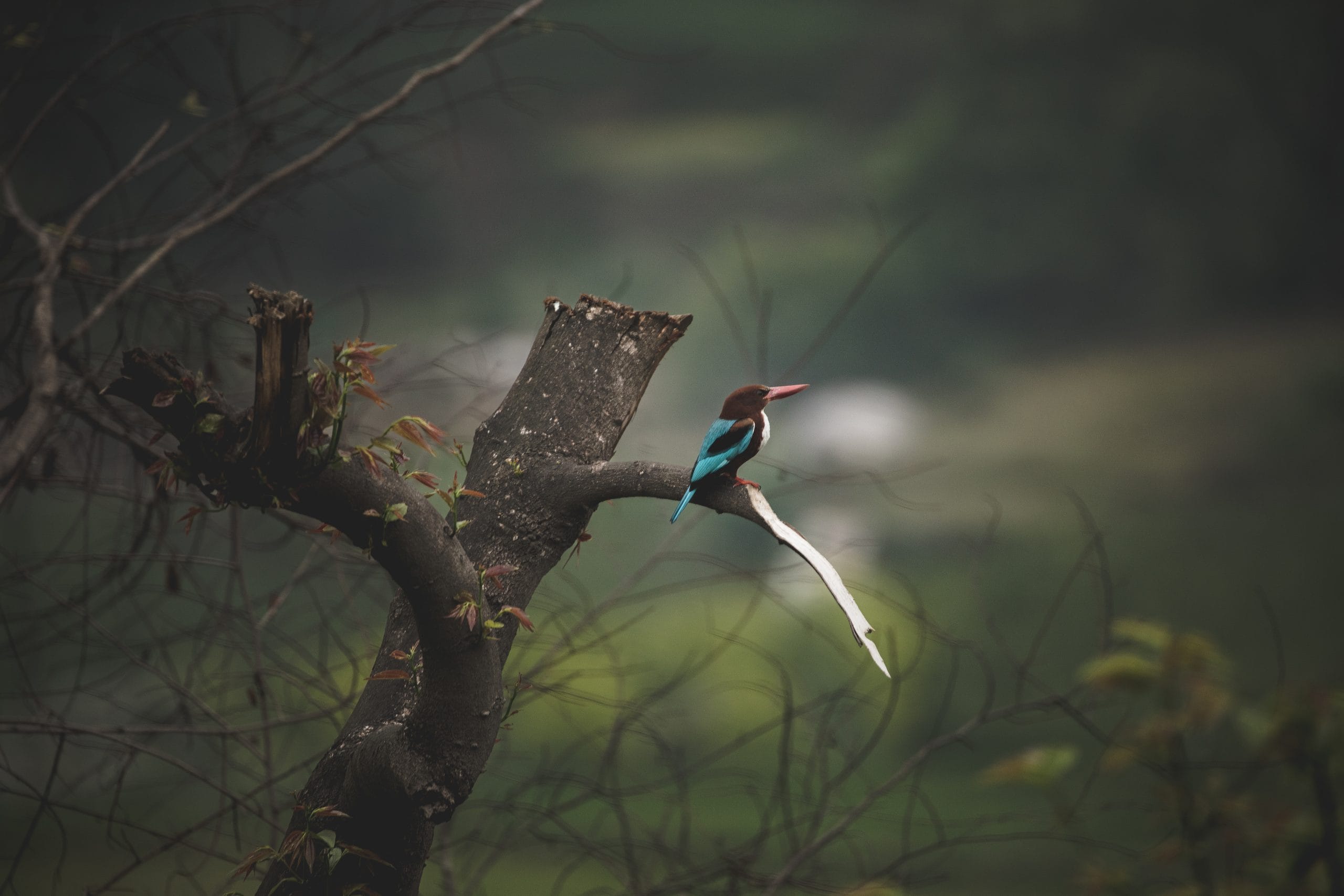
White-throated Kingfisher ( Halcyon smyrnensis ) — सेतोकण्ठे माटीकोरे
The White-throated Kingfisher (Halcyon smyrnensis), known as सेतोकण्ठे माटीकोरे in Nepali, is a bold and widespread bird found across Nepal’s lowlands and mid-hills, including the Kathmandu Valley. Despite its name, it is not limited to water bodies and is commonly seen perched on wires, trees, and poles near farmland, wetlands, and even urban areas. It has a striking appearance with bright blue wings, a rich chestnut body, and a clean white throat. This kingfisher is an opportunistic hunter, feeding on insects, lizards, small fish, and even rodents, often diving swiftly from a perch to catch its prey.
Grey-winged Blackbird ( Turdus boulboul ) — मदना चाँचर
The Grey-winged Blackbird (Turdus boulboul), called मदना चाँचर in Nepali, is a forest-dwelling thrush found in Nepal’s mid-hill and montane forests, typically between 1,200 m and 3,000 m. The male is mostly dark with contrasting grey wings, while the female appears browner and more subdued. It is often seen on the forest floor or low branches, foraging quietly for insects, worms, and berries. During the breeding season, especially in spring and early summer, the male produces a rich, melodious song that echoes through the forest, making it a rewarding find for birdwatchers.

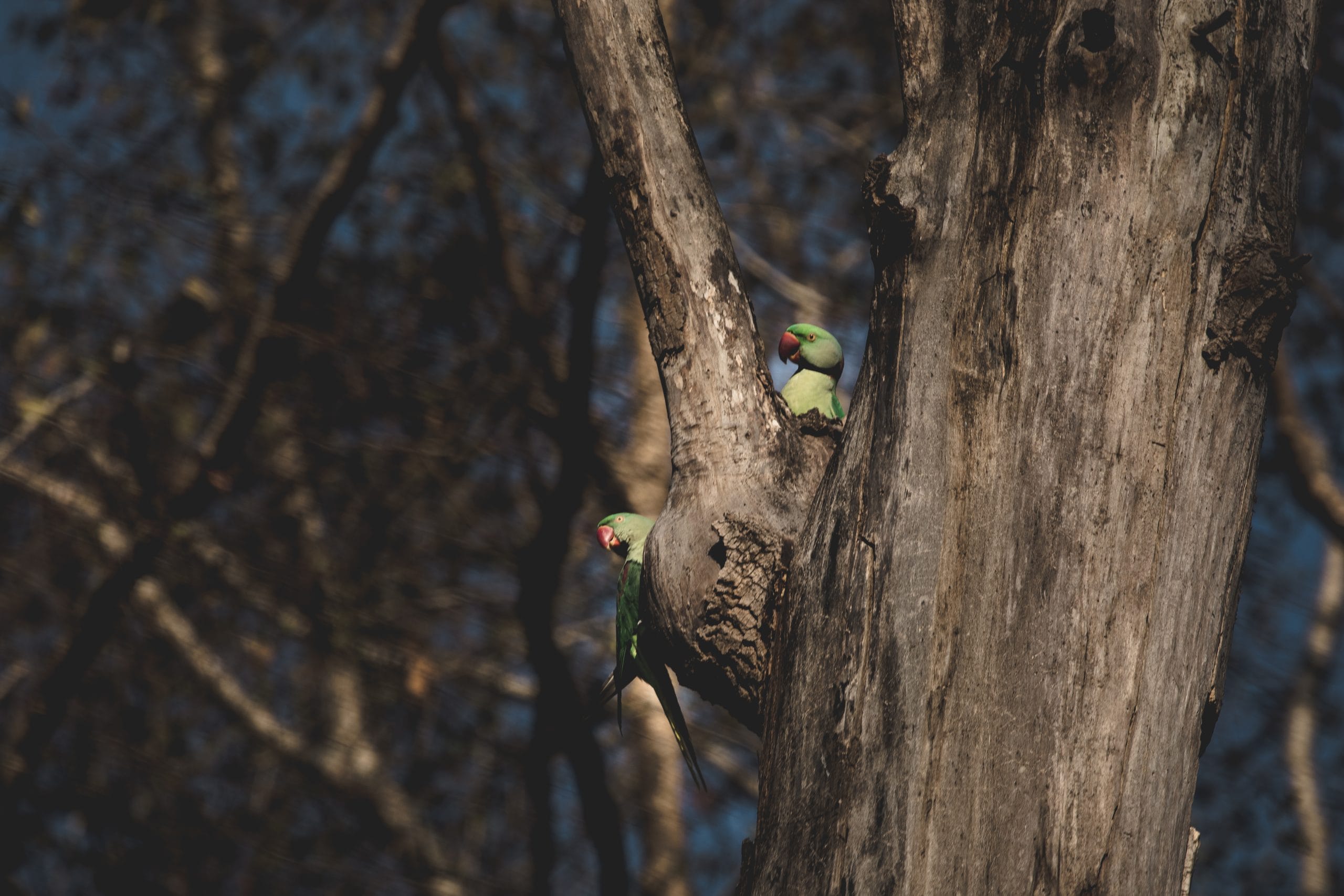
Alexandrine Parakeet ( Psittacula eupatria ) — कर्रा सुगा
The Alexandrine Parakeet (Psittacula eupatria), called कर्रा सुगा in Nepali, is a large and powerful parakeet found in Nepal’s lowland forests and cultivated areas, especially in the Terai and lower hills. It is larger than most other parakeets, with a long tail, strong red bill, and a distinctive maroon shoulder patch, particularly visible in males. These birds are usually seen in noisy flocks, flying between tall trees or feeding in agricultural fields. They prefer open forests, riverine woodlands, and farmlands, and their loud calls are a familiar sound in suitable habitats.
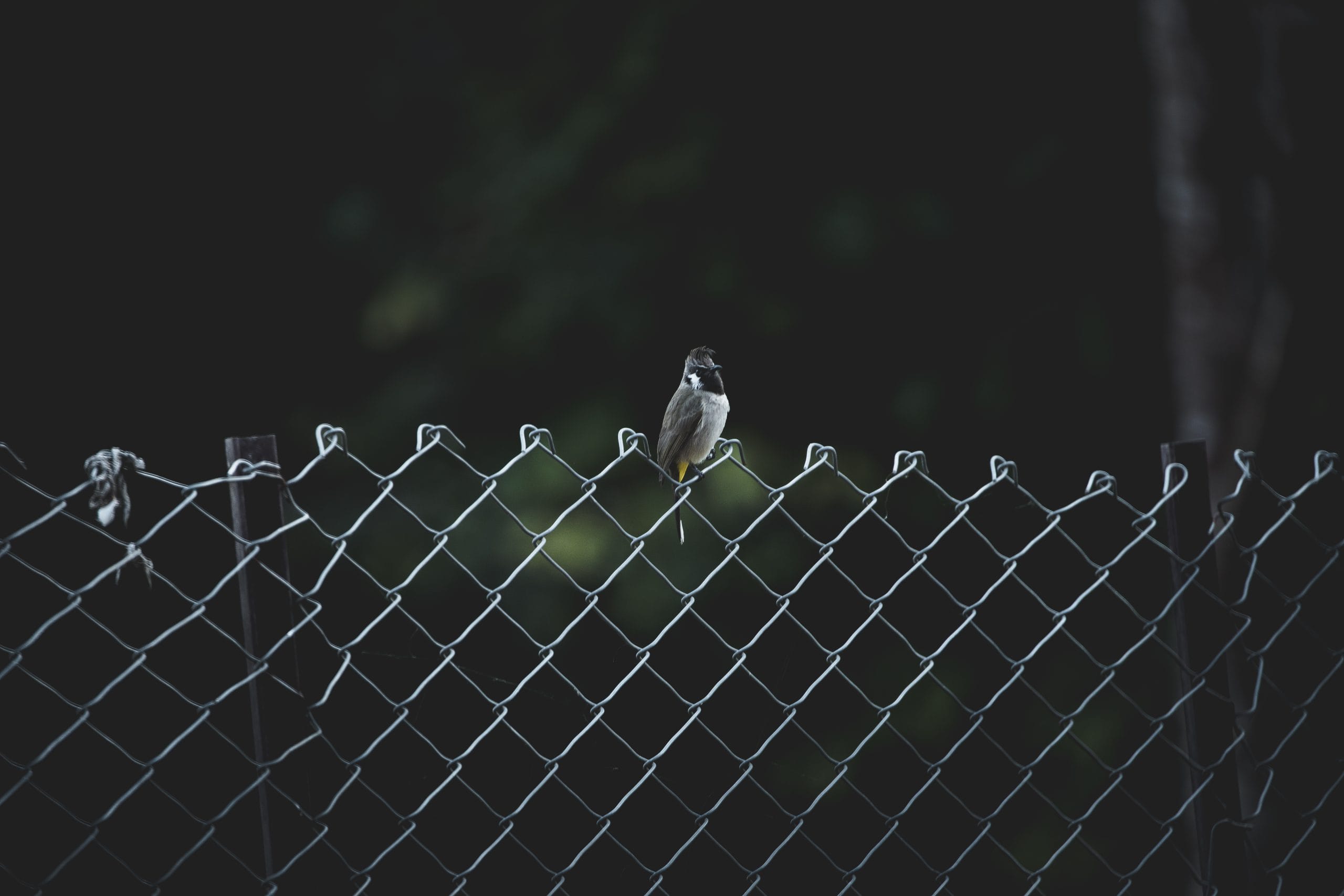
Himalayan Bulbul ( Pycnonotus leucogenys ) — जुल्फे जुरेली
The Himalayan Bulbul (Pycnonotus leucogenys), known locally as जुल्फे जुरेली, is a common and lively bird of Nepal’s hills, frequently seen in gardens, scrublands, and forest edges from around 500 m to 2,500 m. It is easily recognized by its pointed black crest, white cheek patch, and contrasting dark head. This bulbul is highly active and often seen in pairs or small groups, hopping through bushes and trees in search of fruits, nectar, and insects. Its cheerful calls and adaptability make it one of the most familiar birds in human-influenced landscapes across the hills.
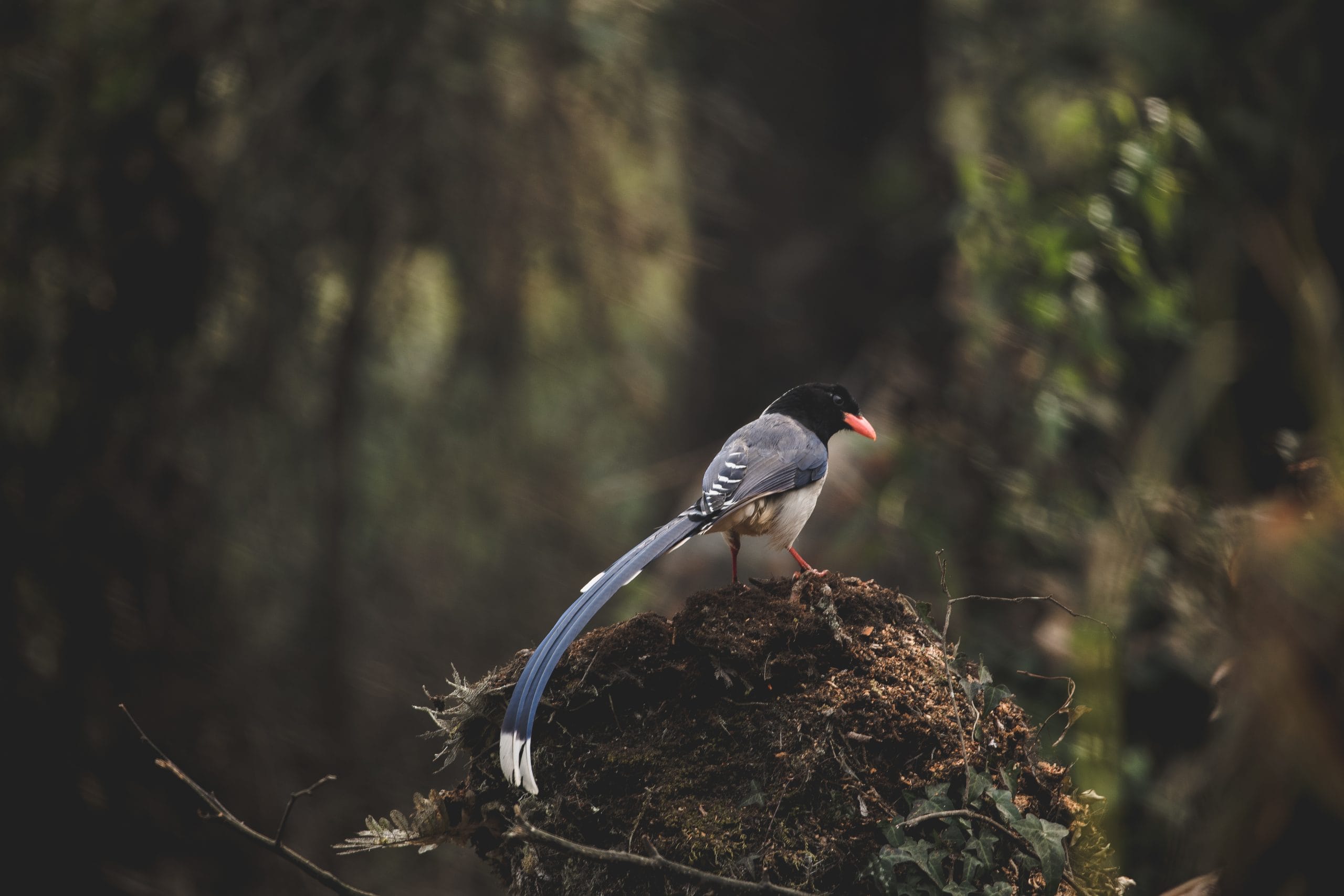
Red-billed Blue-Magpie ( Urocissa erythrorhyncha ) — स्यालपोथरी लामपुच्छे
The Red-billed Blue-Magpie (Urocissa erythrorhyncha), called स्यालपोथरी लामपुच्छे in Nepali, is a highly conspicuous and colorful bird of Nepal’s mid-hill forests, commonly seen around areas like Shivapuri and other wooded regions near the Kathmandu Valley. It has a long graduated tail, bright blue body, black head, and a vivid red bill. These magpies are usually found in small groups, moving noisily through the canopy and forest edges. They are omnivorous, feeding on fruits, insects, small animals, and even eggs, and are known for their intelligence and bold behavior.
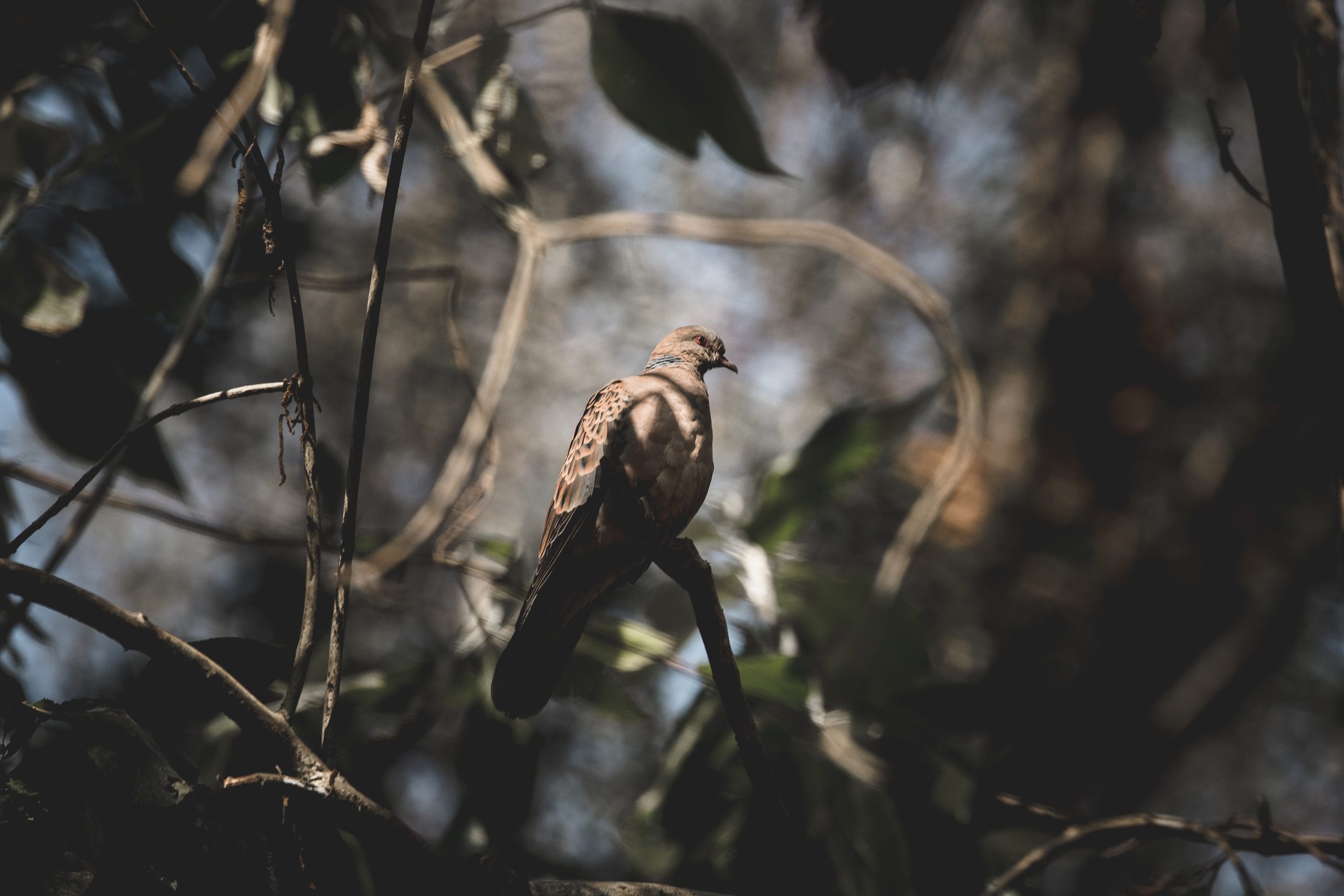
Oriental Turtle-Dove ( Streptopelia orientalis ) — तामे ढुकुर
The Oriental Turtle-Dove (Streptopelia orientalis), known as तामे ढुकुर in Nepali, is a widespread dove found across Nepal in a variety of habitats, including open forests, agricultural land, and urban areas. It occurs over a broad elevation range, from the lowlands up to high mountain regions, though it is more commonly seen at lower elevations during winter. This dove is usually observed alone or in pairs, feeding on the ground on seeds and grains. Its soft, rhythmic cooing call is a familiar sound in quiet rural and semi-urban landscapes.
Spotted Forktail ( Enicurus maculatus ) — थोप्ले खोलेधोबिनी
The Spotted Forktail (Enicurus maculatus), known as थोप्ले खोलेधोबिनी in Nepali, is a striking bird associated with clear, fast-flowing streams in forested areas of Nepal, usually in the hills and lower mountains. It is easily recognized by its bold black-and-white plumage and long, deeply forked tail. This bird is typically seen hopping along rocks and stream edges, constantly wagging its tail while searching for insects and aquatic invertebrates. Its presence is often an indicator of clean, undisturbed freshwater habitats.