Catches of the Weekend: #01 Exploring Lalitpur
Every weekend has a story. This is ours, raw moments, real journeys, and the kind of experiences that stay with you long after the road ends. Welcome to the first edition of Catches of Weekend.
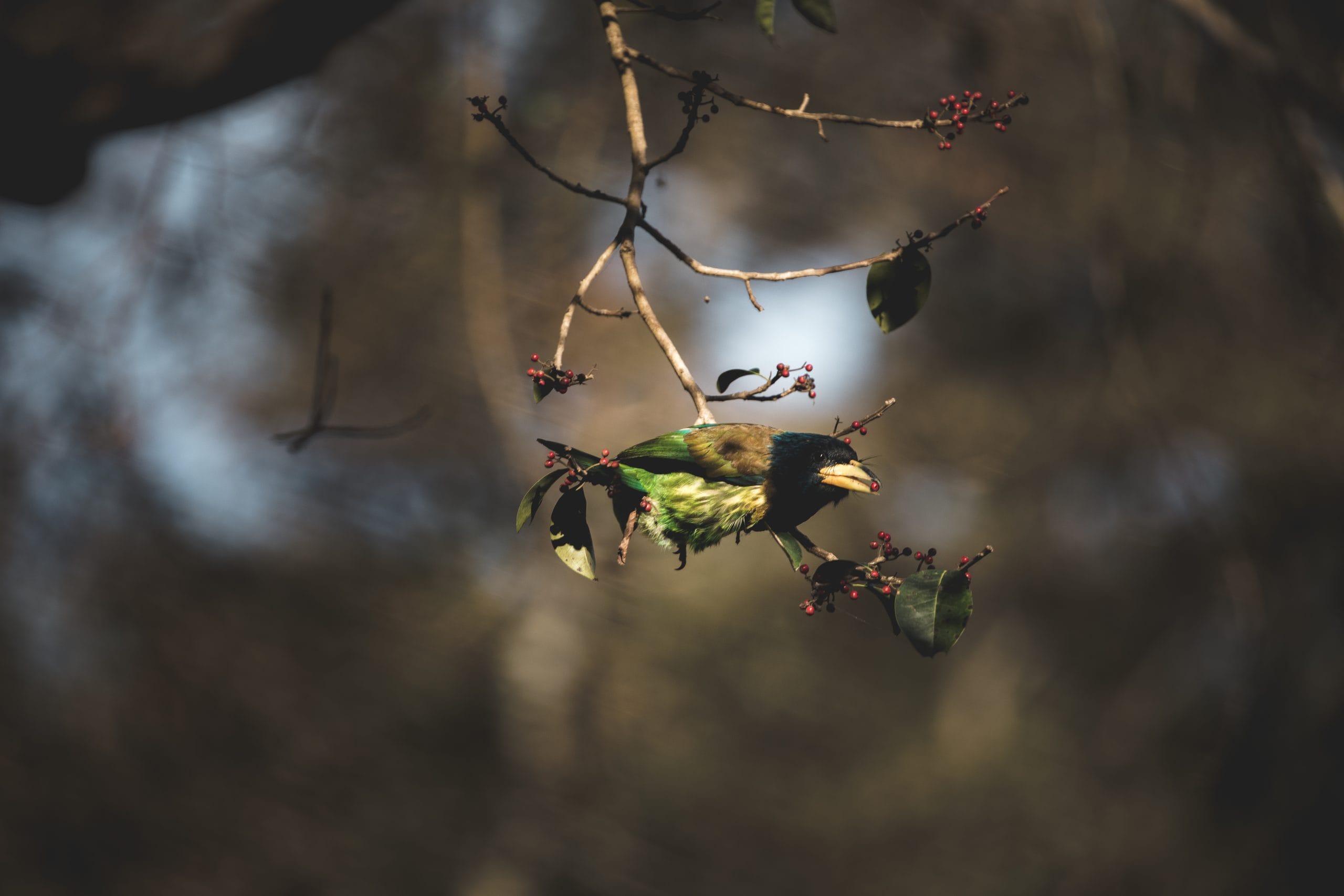
Great Barbet (Psilopogon virens) — न्याउली
The Great Barbet (Psilopogon virens), locally known as न्याउली, is one of the most striking birds of Nepal’s mid-hills and lower Himalayan forests. It’s the largest barbet species in the region, easily recognized by its blue head, large yellow bill, green-streaked body and red vent. This resident bird inhabits broadleaf evergreen woodlands from about 600 m up to around 2,500 m in elevation across Nepal and the wider Himalayas. Great Barbets nest in tree holes, with both males and females sharing parental duties. Their loud, repetitive calls are often the first sign of their presence in dense forests. Their diet includes fruits, figs and insects, making them important seed dispersers in forest ecosystems.
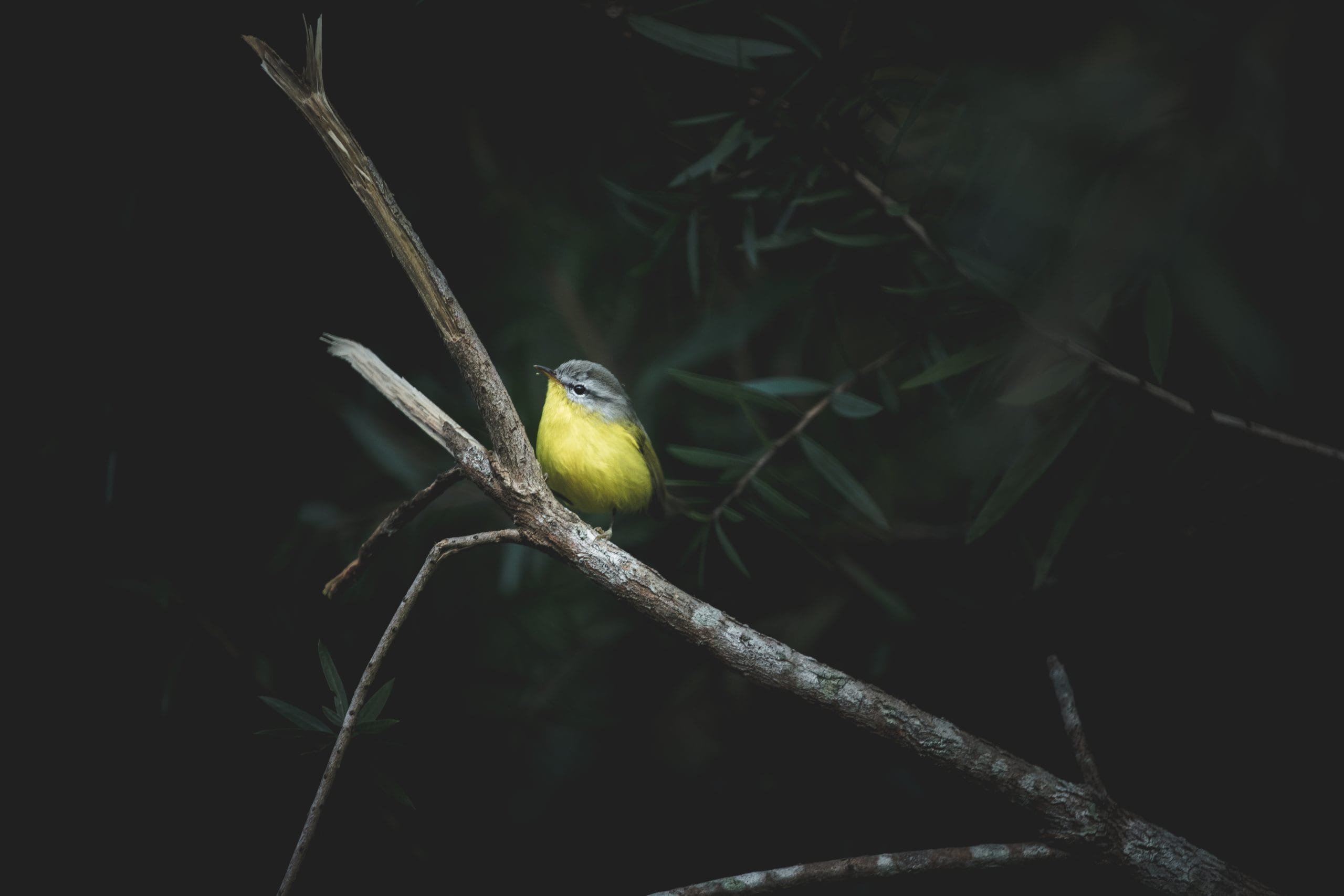
Grey-hooded Warbler ( Phylloscopus xanthoschistos) — तुमुलकारी फिस्टो
The Grey-hooded Warbler (Phylloscopus xanthoschistos), called तुमुलकारी फिस्टो in Nepali, is a small and lively leaf warbler found in Nepal’s temperate forests, especially between roughly 1,500 m and 3,000 m. This warbler has a distinctive grey hood contrasting with olive-green upperparts and pale yellow underparts, and it flits actively through foliage in search of tiny insects. It’s well known for its melodious warbling song, which adds a soundtrack to forest walks in mid-elevation Himalayan regions. These birds thrive in dense undergrowth and oak-rhododendron zones, making them a favourite sight for birdwatchers exploring Nepal’s rich avian habitats.
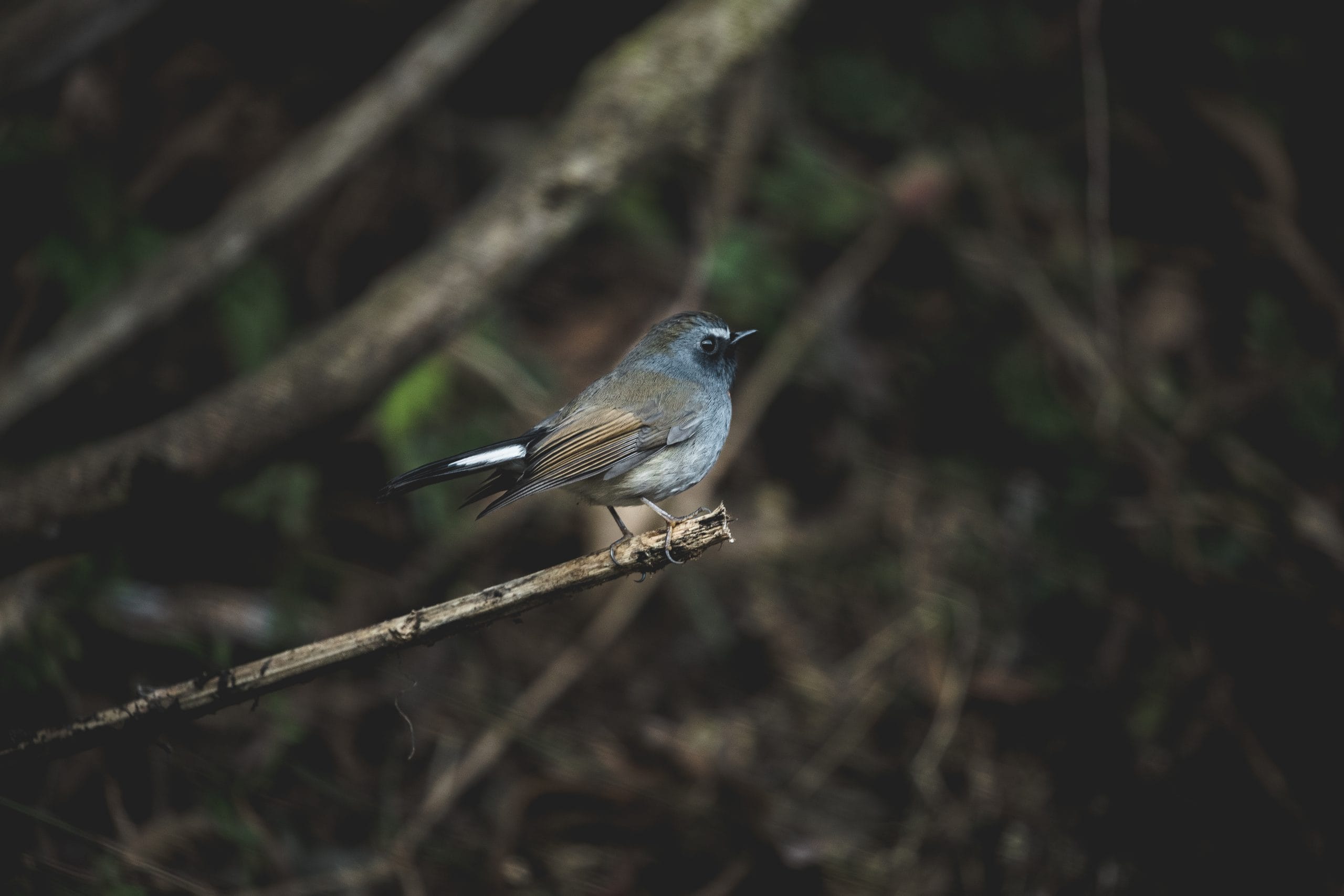
Rufous-gorgeted Flycatcher ( Ficedula strophiata) — सेतोटिके अर्जुनक
The Rufous-gorgeted Flycatcher (Ficedula strophiata), locally referred to as सेतोटिके अर्जुनक, is a small passerine bird that breeds in the Himalayan montane forests of Nepal and neighbouring regions. Its name comes from the distinctive reddish-brown patch on the throat that stands out against its more muted body colours. This species favours subtropical and moist montane forests, where it hunts insects and other small prey. During seasonal altitudinal movements it may be seen at different elevations, adding a splash of colour to Nepal’s lush forest canopies.
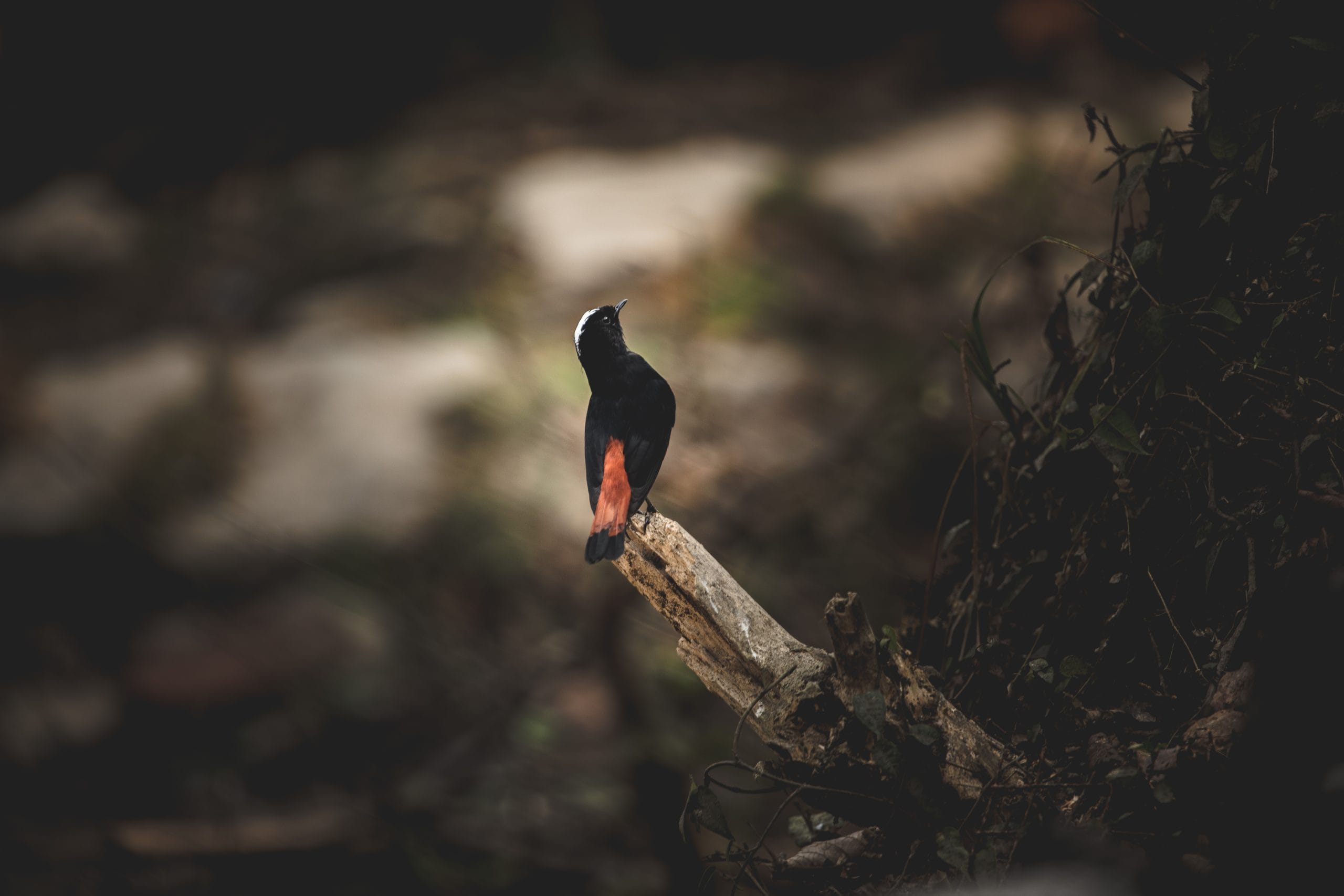
White-capped Redstart (Phoenicurus leucocephalus) — सेतोटाउके जलखञ्जरी
The White-capped Redstart (Phoenicurus leucocephalus), known in Nepali as सेतोटाउके जलखञ्जरी, is a striking bird commonly seen along fast-flowing rivers and streams in the Himalayas, including Nepal. Both sexes feature black bodies with bright red underparts and a bold white cap, making them unmistakable in their preferred habitats. These agile birds often flick their tails and hop on rocks near water, feeding on insects and small aquatic invertebrates. Their presence near mountain streams makes them a favourite among photographers and nature enthusiasts exploring Nepal’s riverine landscapes.
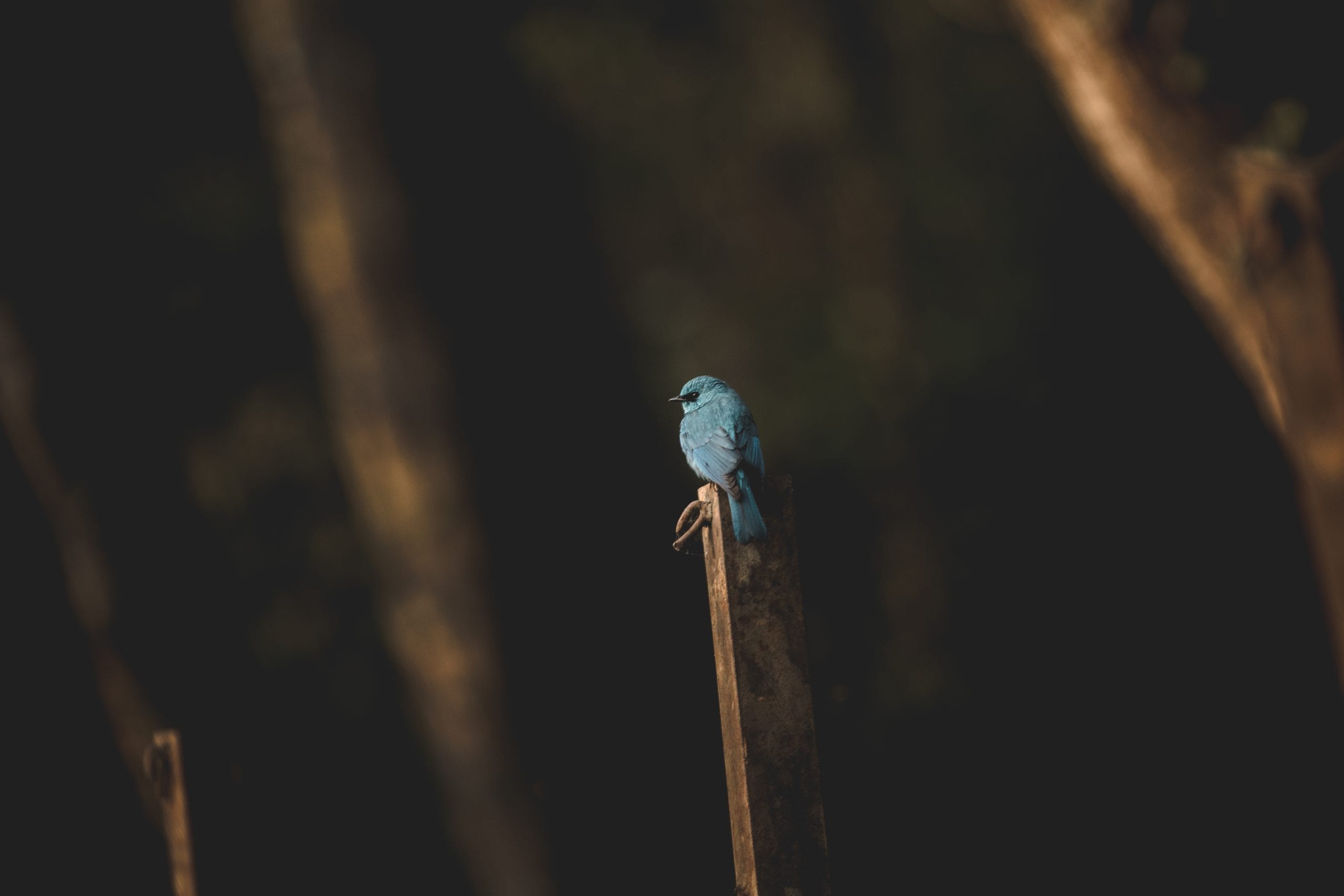
Verditer Flycatcher ( Eumyias thalassinus) — नीलतुथो अर्जुनक
The Verditer Flycatcher (Eumyias thalassinus) is a beautifully coloured bird found across the Himalayas into Southeast Asia, including parts of Nepal. Males are known for their intense copper-sulphate blue plumage, contrasted with a darker eye-patch, while females and juveniles are paler blue. Unlike many flycatchers that stay low, Verditer Flycatchers often perch high above the canopy or on exposed branches, from where they sally out to catch flying insects. Their vivid blue colour makes them a standout sight in Nepal’s wooded hills during the breeding season.
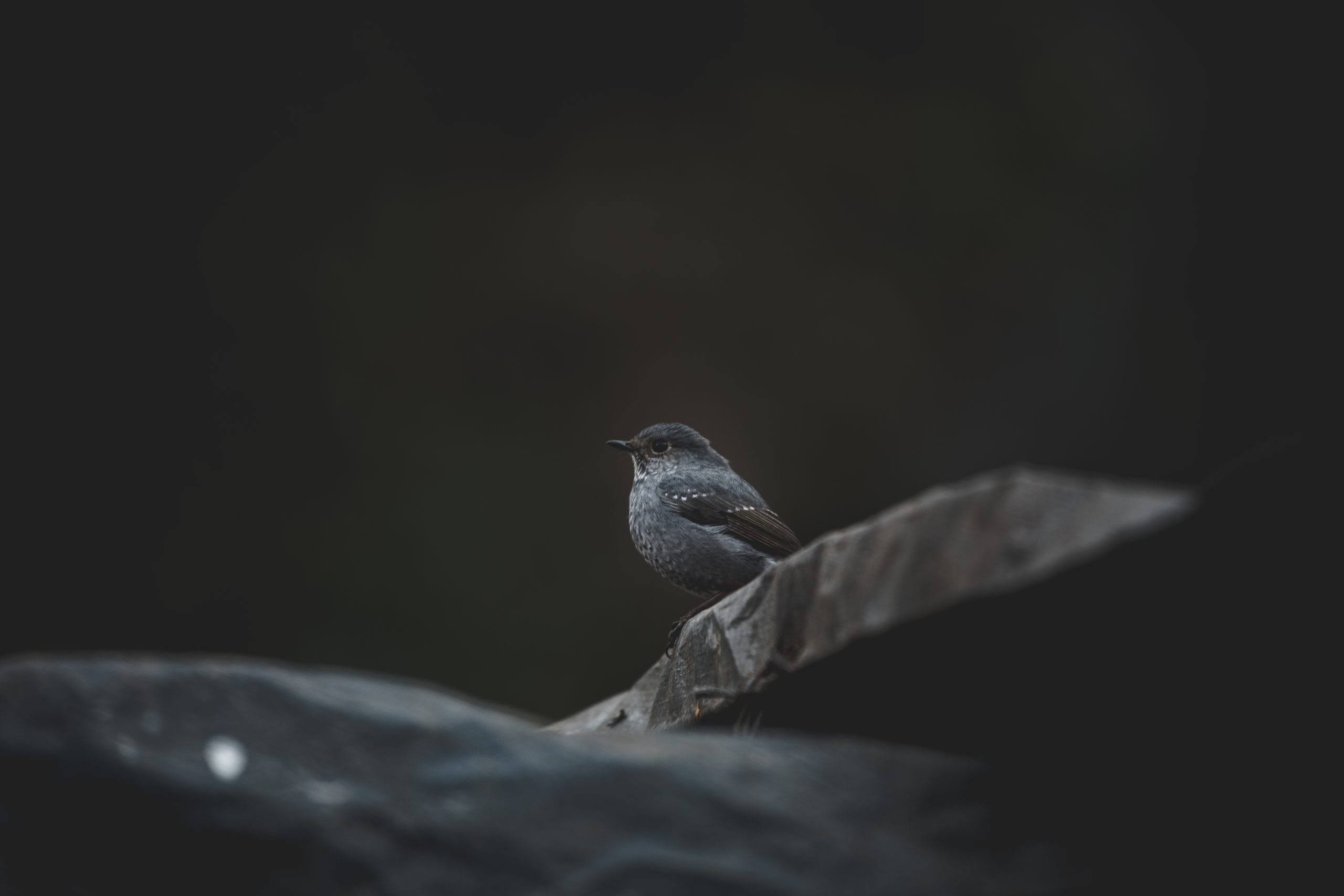
Dark-sided Flycatcher (Muscicapa sibirica) — ध्वाँसे अर्जुनक
The Dark-sided Flycatcher (Muscicapa sibirica) is a modestly coloured but fascinating flycatcher that occurs in Nepal during migration and in suitable forested habitats. It features dark grey-brown upperparts and a pale underside, with a distinctive pale wingbar and a white throat framed by darker facial markings. These flycatchers are adept at catching insects on the wing and can be seen perched quietly before darting out to snatch prey mid-air. Although less colourful than some other flycatchers, their subtle patterns and behaviour make them interesting subjects for birdwatchers exploring Nepal’s diverse birdlife.
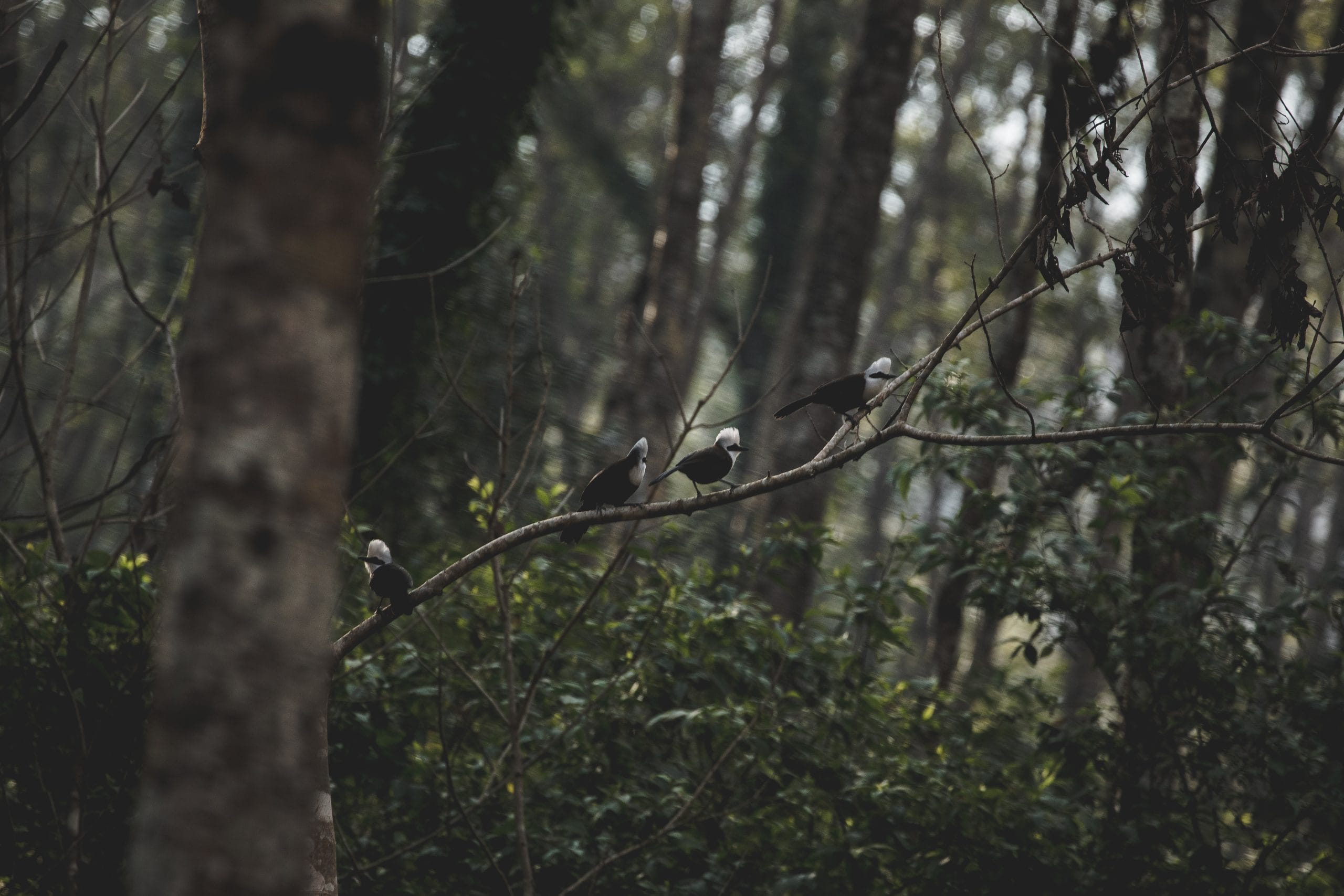
White-crested Laughingthrush (Garrulax leucolophus) — हिउँजुरे तोरीगाँडा
The White-crested Laughingthrush (Garrulax leucolophus), locally called सेतो टुप्पी भएको हाँसो गर्ने चरा, is a social and vocal bird found in the tropical and subtropical broadleaf forests of Nepal’s foothills and hills. Recognizable by its white crest and chestnut-brown body with a black eye-mask, this species often forages in noisy groups, using strong bills to probe leaf litter for insects, fruits and berries. Their calls resemble human laughter, giving them their common name. These cooperative birds often help each other in raising young and are a delightful sight and sound for nature lovers exploring forest edges and undergrowth.