
Gatlang — In Faces, Footsteps, and Everyday Life
A mountain village where stone houses, slow routines, and warm eyes tell more than any map ever could. These frames capture Gatlang through its people — the way they live, work, laugh, and hold on to tradition high in the hills.
The Village That Stood Through Stone and Time
Gatlang was once known as the Black Village, named for its darkened wooden houses and slate roofs weathered by smoke, sun, and generations of mountain life. Its homes were built close together, like a family holding itself tight against the cold winds of Rasuwa. When the 2015 earthquake struck, these same stone-and-wood houses—so familiar, so rooted—shook, cracked, and fell. Yet the identity of Gatlang did not collapse with them. Even in broken walls and scattered beams, the spirit of the village remained unshaken. The people stayed, rebuilt, and continued living on the same hill that has carried their stories for centuries.

Culture That Survived the Cracks
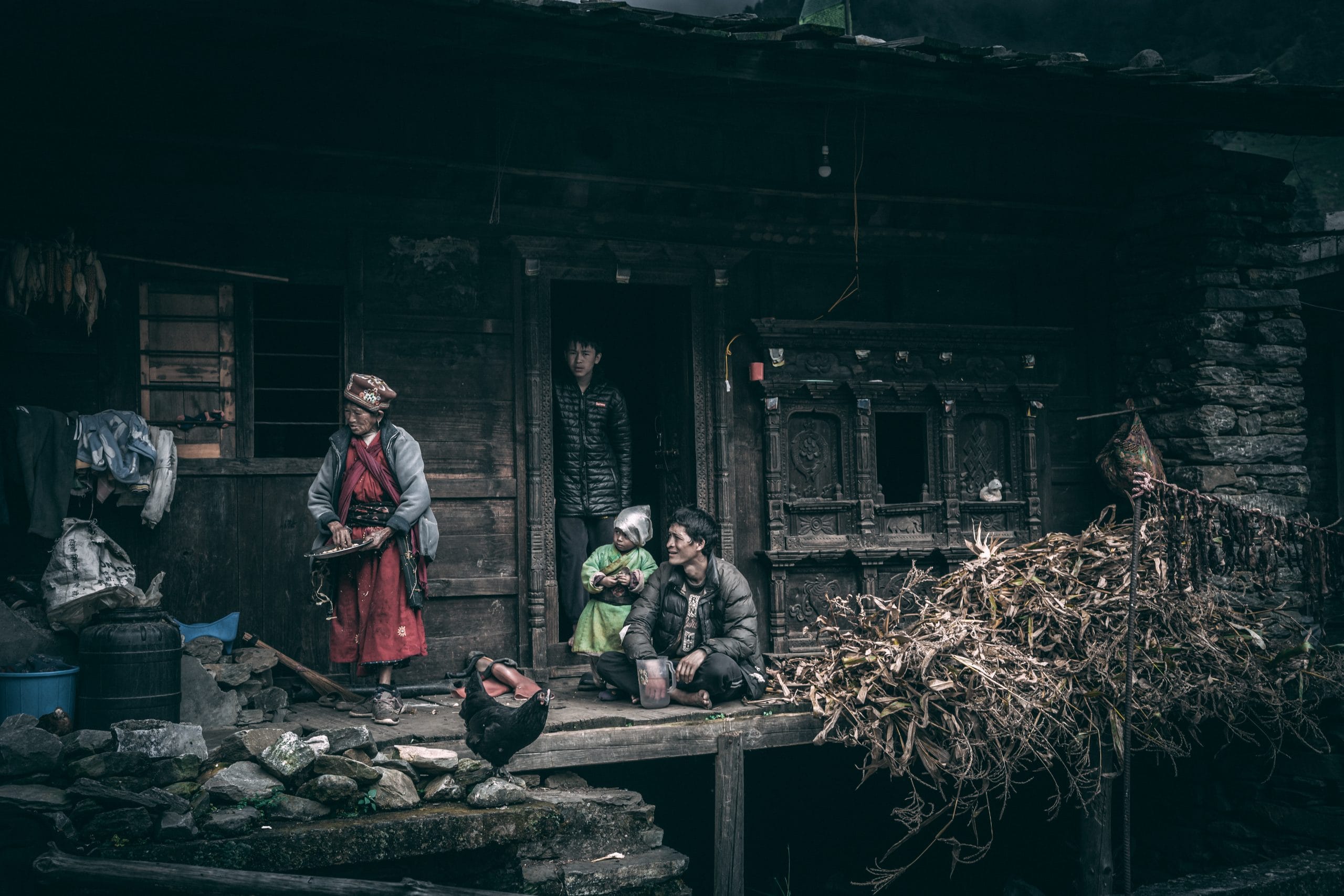
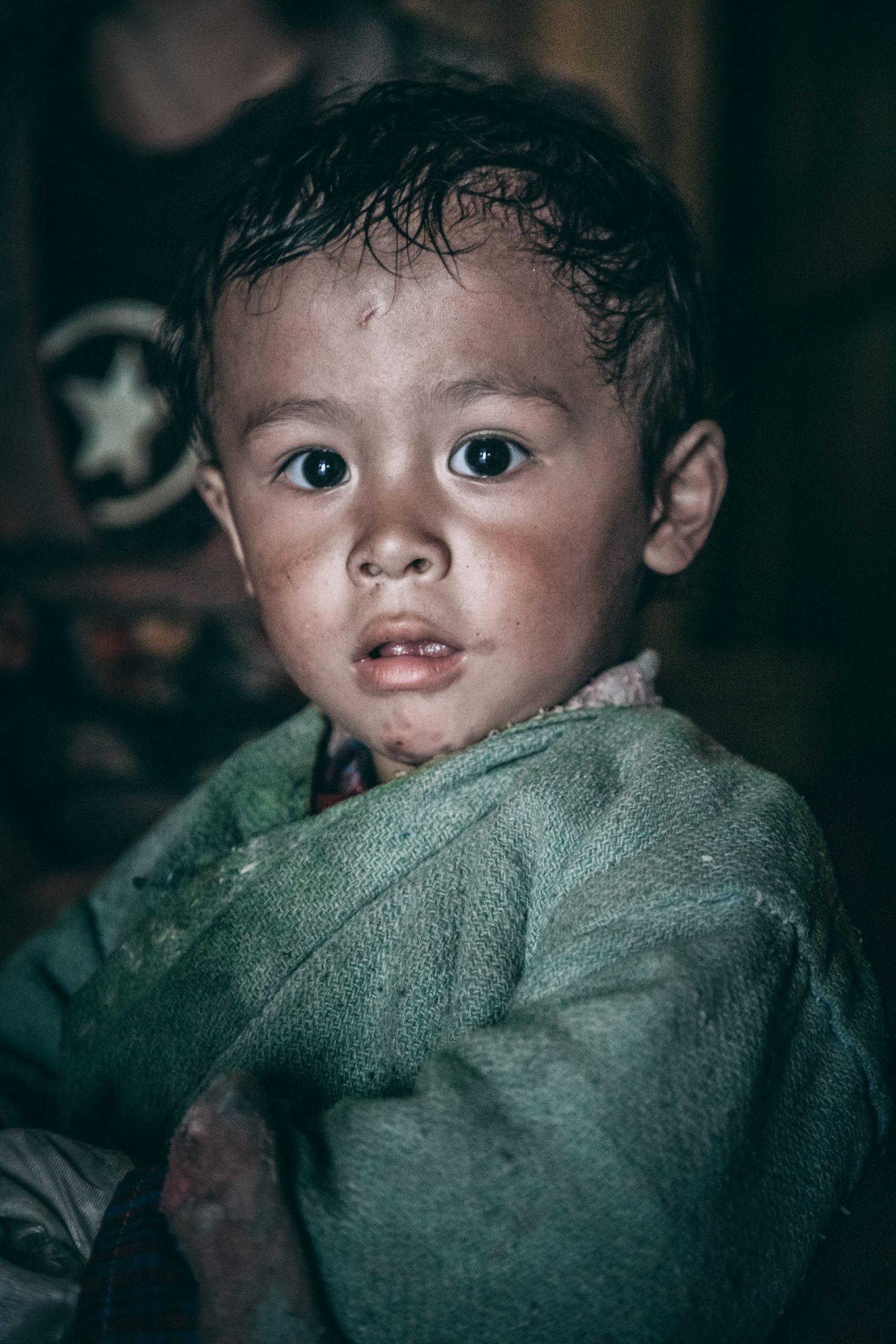
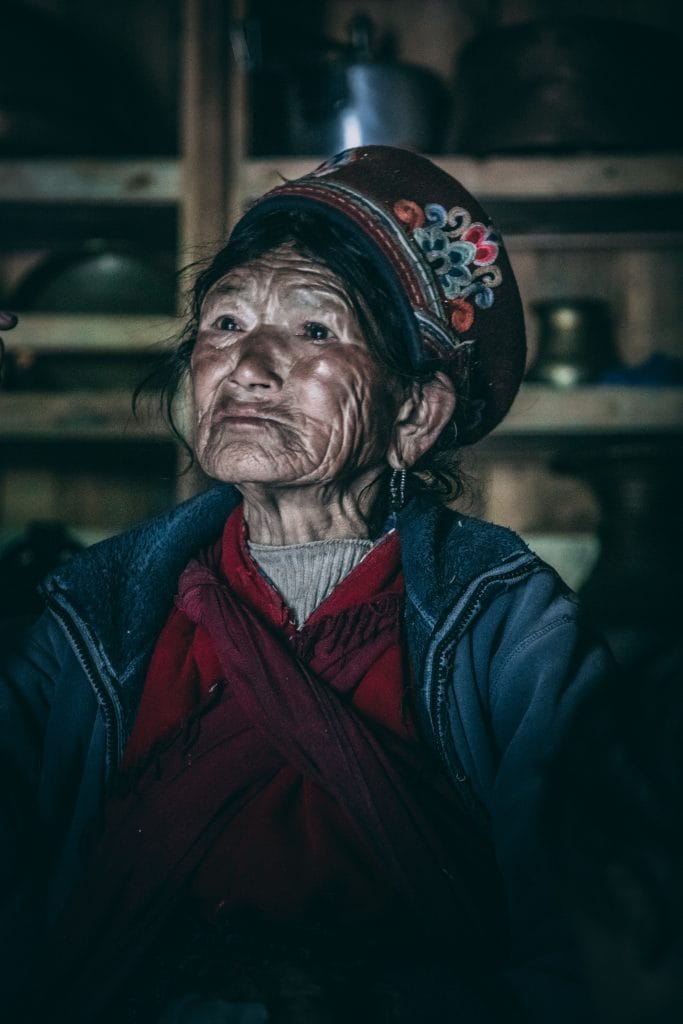
The real story of Gatlang lives in its people. Wrinkled smiles, shy glances, children running with wild energy, elders watching from doorsteps — each face holds a piece of the village’s history. You see warmth in how they greet you, curiosity in how they look into the lens, and a kind of calm strength in the way they carry their day. In these shots, the background may be stone and sky, but the focus is always on eyes, hands, and small gestures that say more than words ever could.
Story — The Old Hands, The Young Eyes
In Gatlang, generations live side by side, sharing the same stone paths and sunlight. The old lady carries the weight of the village’s memories — winters that felt colder, the earthquake that cracked her walls, seasons of planting and rebuilding. Her wrinkles are etched with stories the mountains have witnessed with her. Beside her stands a child, wide-eyed and curious, seeing the same world through a future she has yet to build. Their presence together is everything Gatlang represents: tradition and tomorrow, held in one frame. One has endured, one is learning, and between them lies a quiet promise that the village’s spirit will continue — passed not through words, but through the way they walk, work, and simply exist together.
From Black Village to Bright Resilience
Gatlang may no longer look exactly as it once did. New roofs have replaced old ones, and fresh timber doesn’t yet carry the deep black color of smoke and time. But in this change lies a quiet beauty. Where the past stands beside the present, where loss stands beside renewal, and where a village continues to rise after being broken. Gatlang’s story is not about destruction—it’s about resilience. It’s about a community that remains rooted in its heritage, bound to its land, and proud of its identity. The “Black Village” has become a symbol not of darkness, but of strength.