
Where Snow Once Stayed
These images capture the same mountain in three different years. In 2020, winter arrived with snow. In 2023, winter returned without it. What was once normal is now becoming rare — a quiet, visible shift in the heart of Langtang Valley.
When Winter Still Looked Like Winter
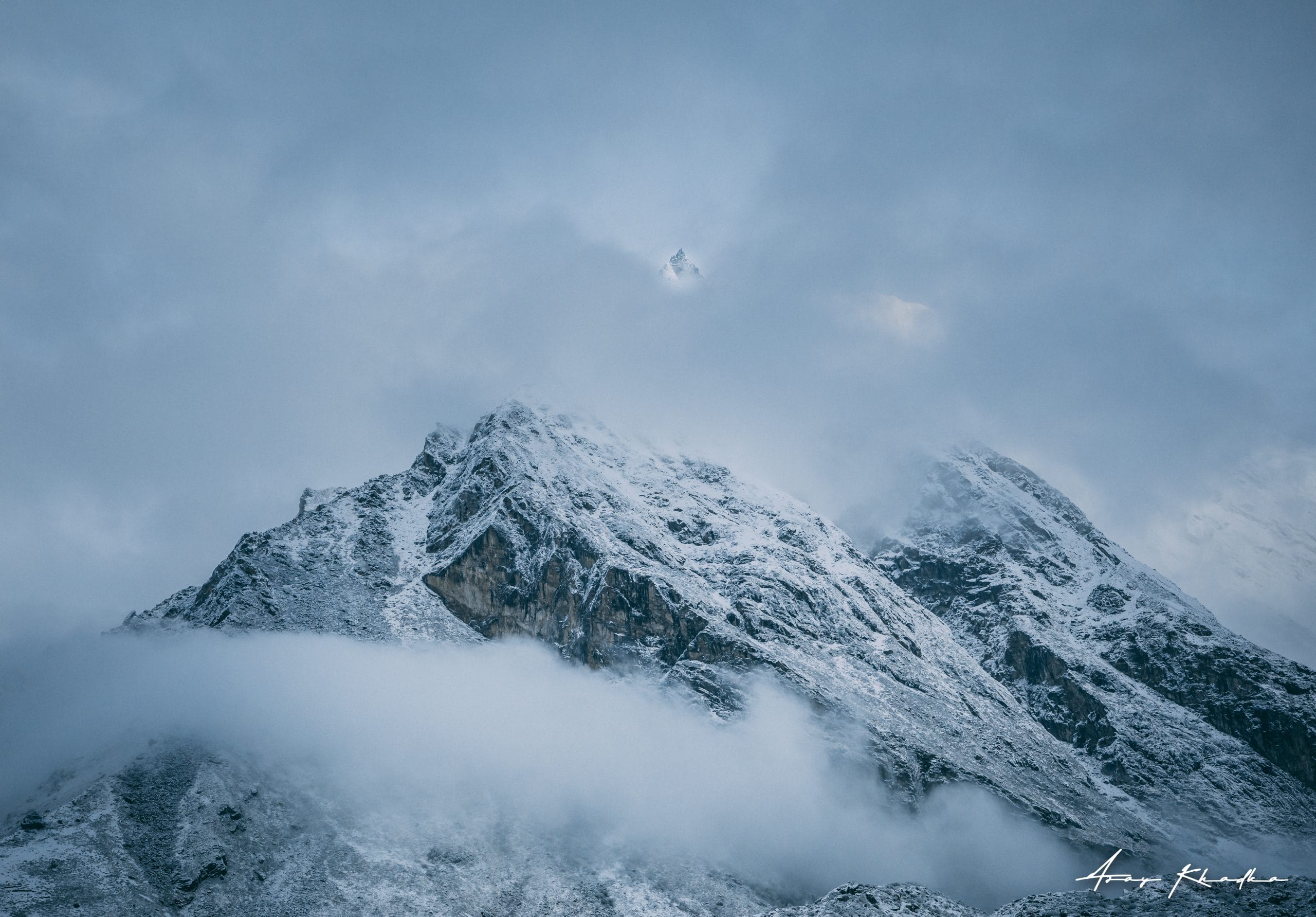
In 2020, the mountain carried its winter coat the way it always had — thick snow on the ridges, soft layers across the slopes, and a cold stillness settling over the valley. Clouds touched the summit gently, and the village below felt wrapped in true Himalayan winter. Snow was not a surprise; it was the season’s identity. This image is a reminder of how Langtang used to look, even just a few years ago — colder, heavier, and shaped by snow that stayed.
A Winter Missing Its White
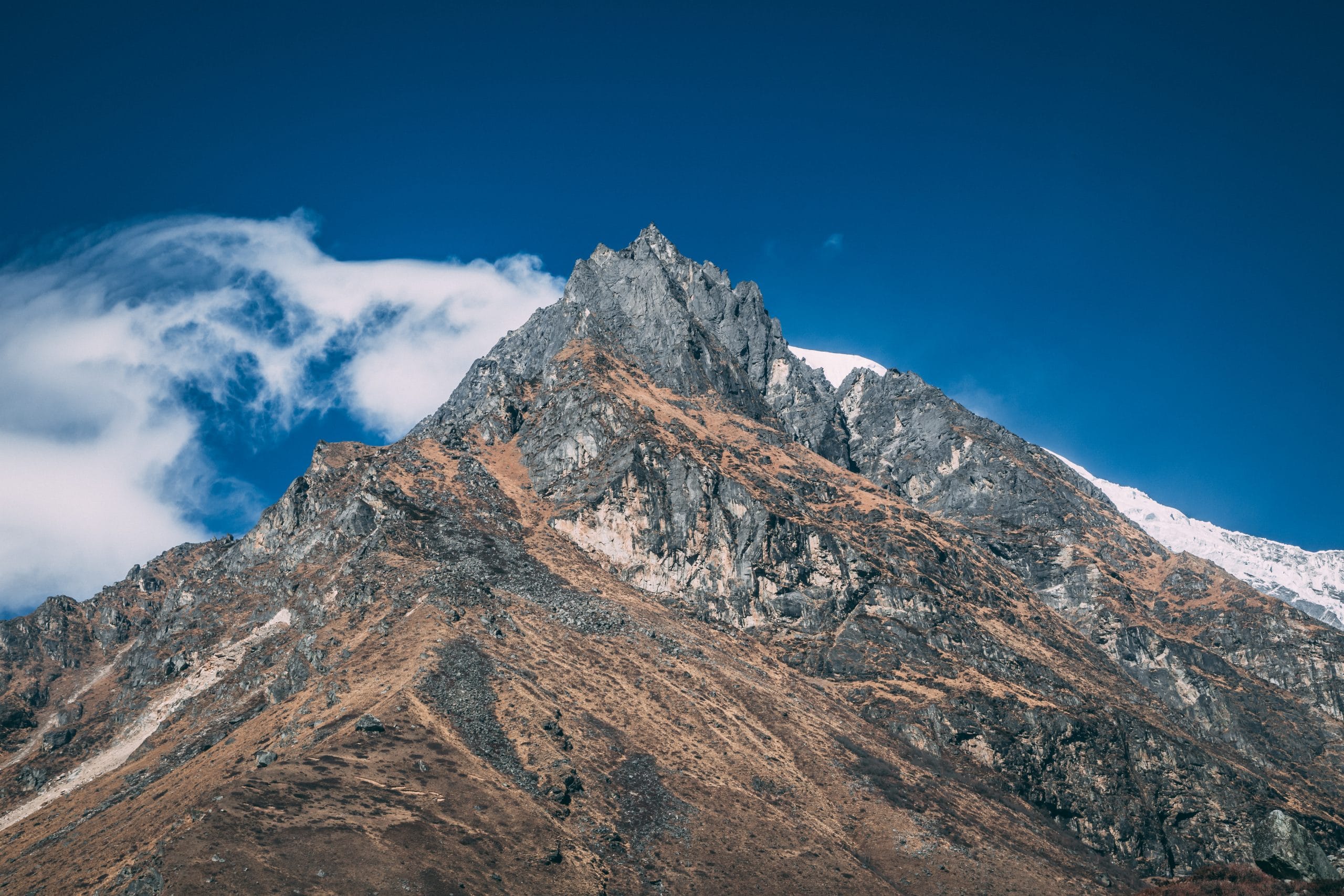
Three years later, in the same season, the mountain tells a different story. Winter arrived, but the snow didn’t. The slopes are exposed, the ridges dry, and the ground shows more rock than frost. What should be a blanket of white is now a landscape of browns and greys. Temperatures are warmer, snowfall thinner and unpredictable. The change is quiet but undeniable — winter is here, but it no longer looks like it.
A Visible Warning in Three Images
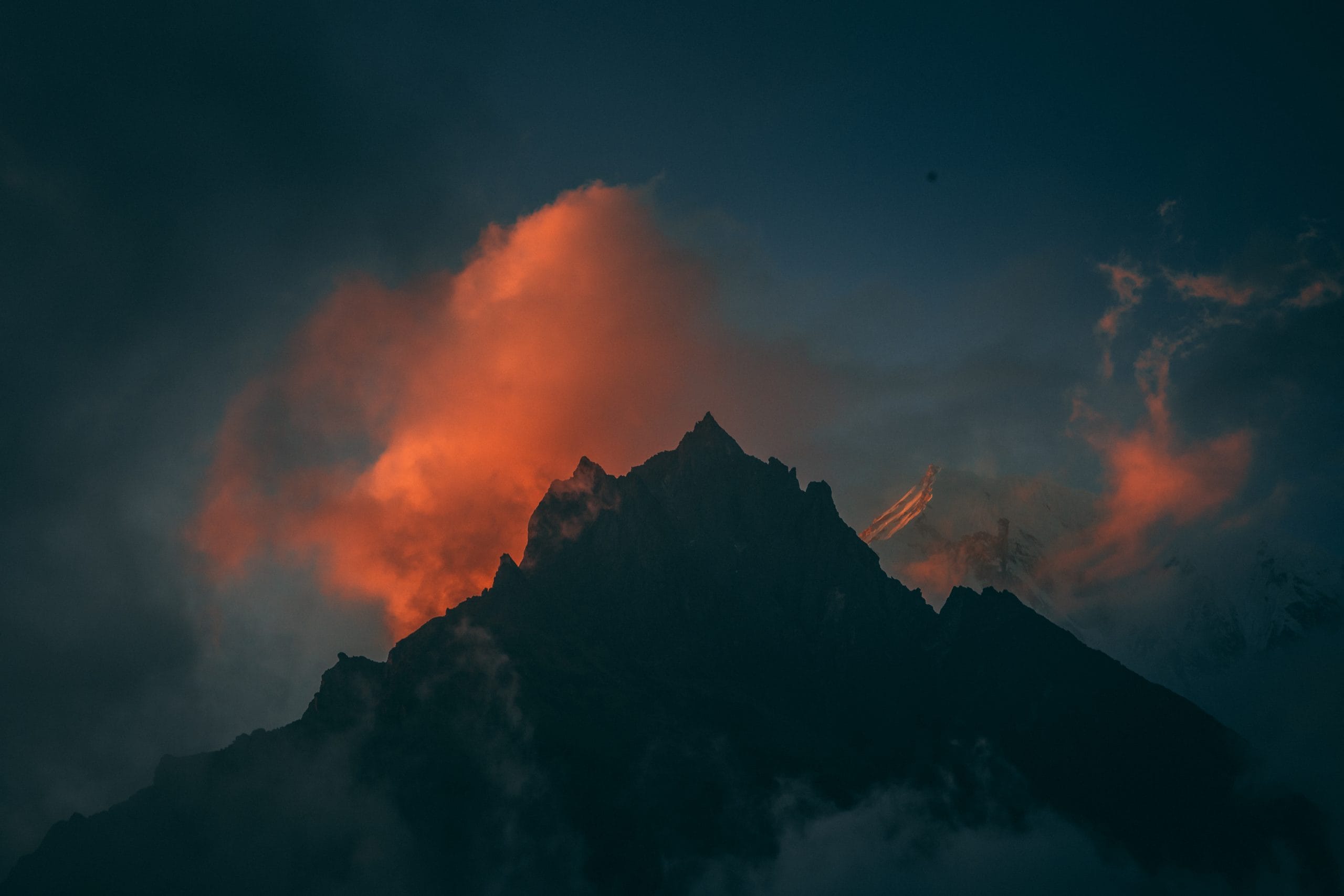
Later in 2023, the mountain remained bare. Different month, same result. Seasonal snowfall that once returned reliably has become inconsistent, arriving late or melting quickly. Even the coldest periods no longer bring the snow cover the valley depended on for decades. The absence is striking — not because snow is unusual, but because its disappearance has become normal.
A Visible Warning in Three Images
Across these three moments, the change is impossible to ignore. In just a few years, the snowline has risen, winters have warmed, and the mountain has lost the white layer that once defined it. Langtang’s beauty remains, but its rhythm is shifting. Climate change here is not a prediction — it’s a pattern already unfolding, captured quietly in the contrast between 2020 and 2023.