Journey Through Hills, Heritage, and Hidden Trails — Into Gatlang Village
Gatlang isn’t the kind of place you simply reach — it’s a slow unveiling. The road rises through forests, falls into river valleys, and curls along terraced ridges before finally revealing a village layered with Tamang culture and mountain calm. By the time Gatlang appears on the hillside, you’ve already shed half the chaos of the outside world and stepped into a rhythm shaped by stone paths, wood smoke, prayer flags, and simple, steady living.
On the Way to Gatlang via Toka Shivapuri National Park
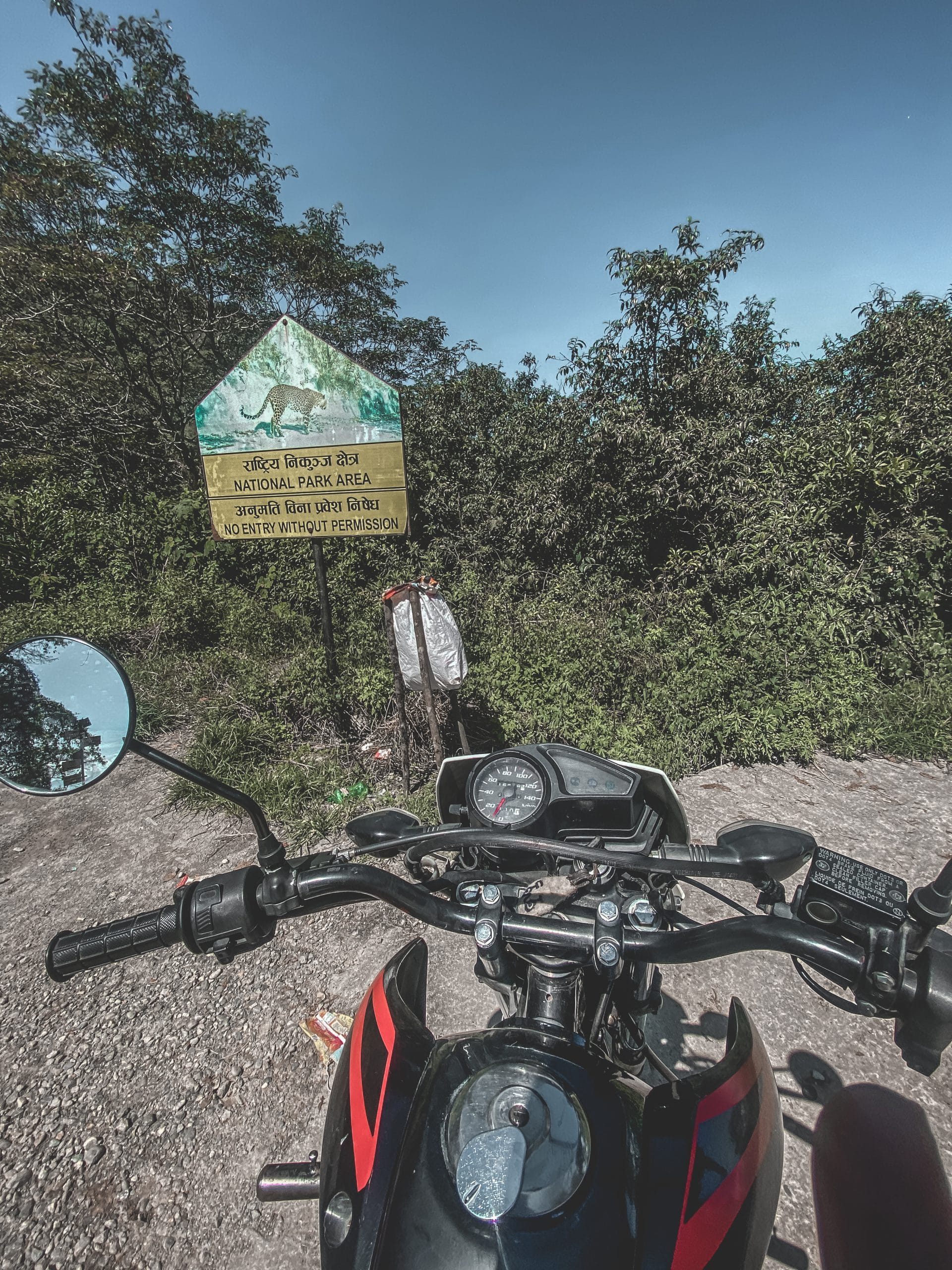
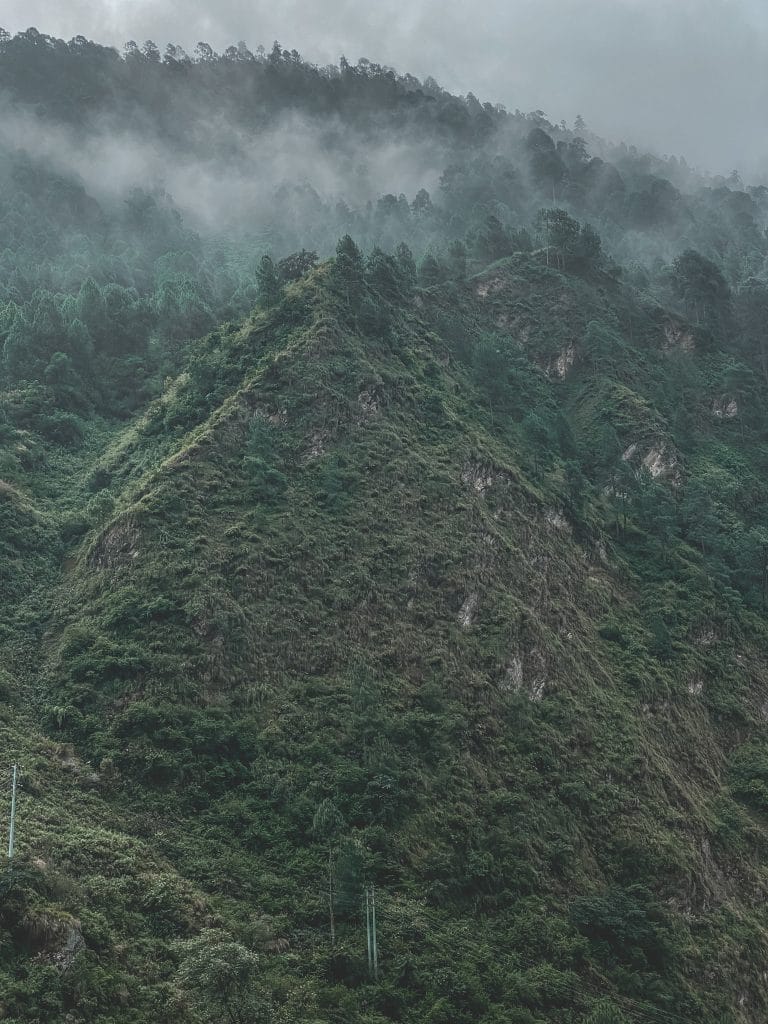
Leaving Kathmandu, the landscape shifts quickly. One moment you’re surrounded by traffic, the next you’re inside Shivapuri’s quiet green corridors. Pine forests, winding roads, the smell of damp soil — everything feels slower and calmer. Small teahouses dot the bends, offering steaming milk tea and warm air that contrasts with the mist outside. This stretch feels like a gateway — the place where the city ends, and the journey truly begins.
A Lot of Waterfalls and Bridges along the Way
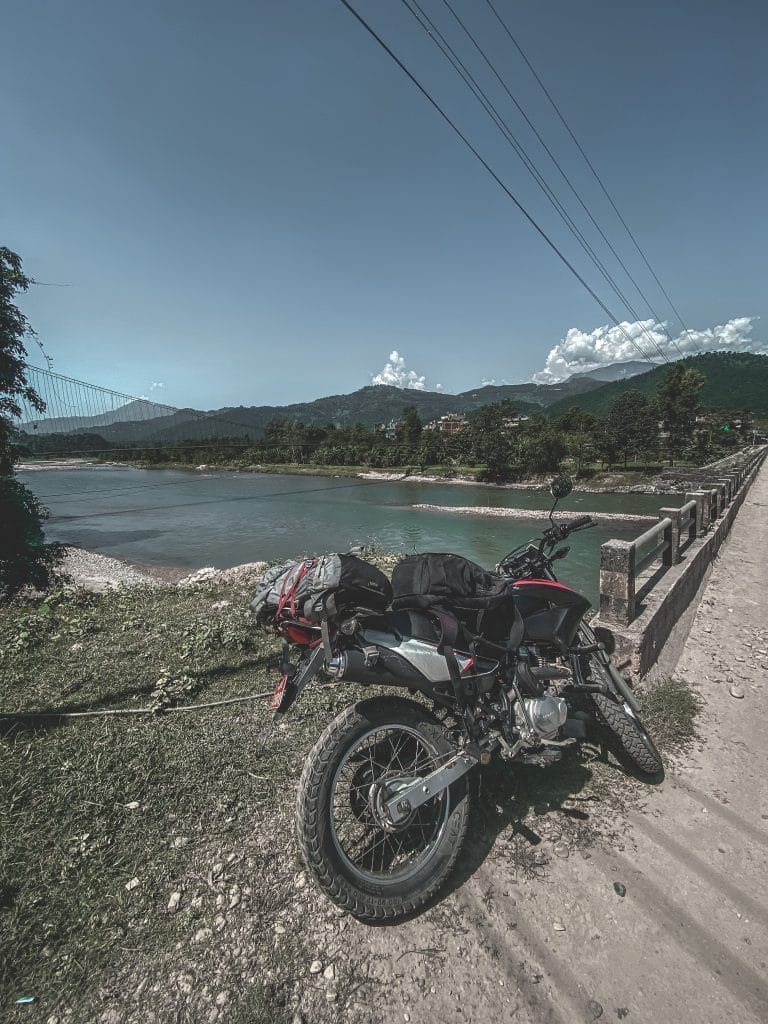
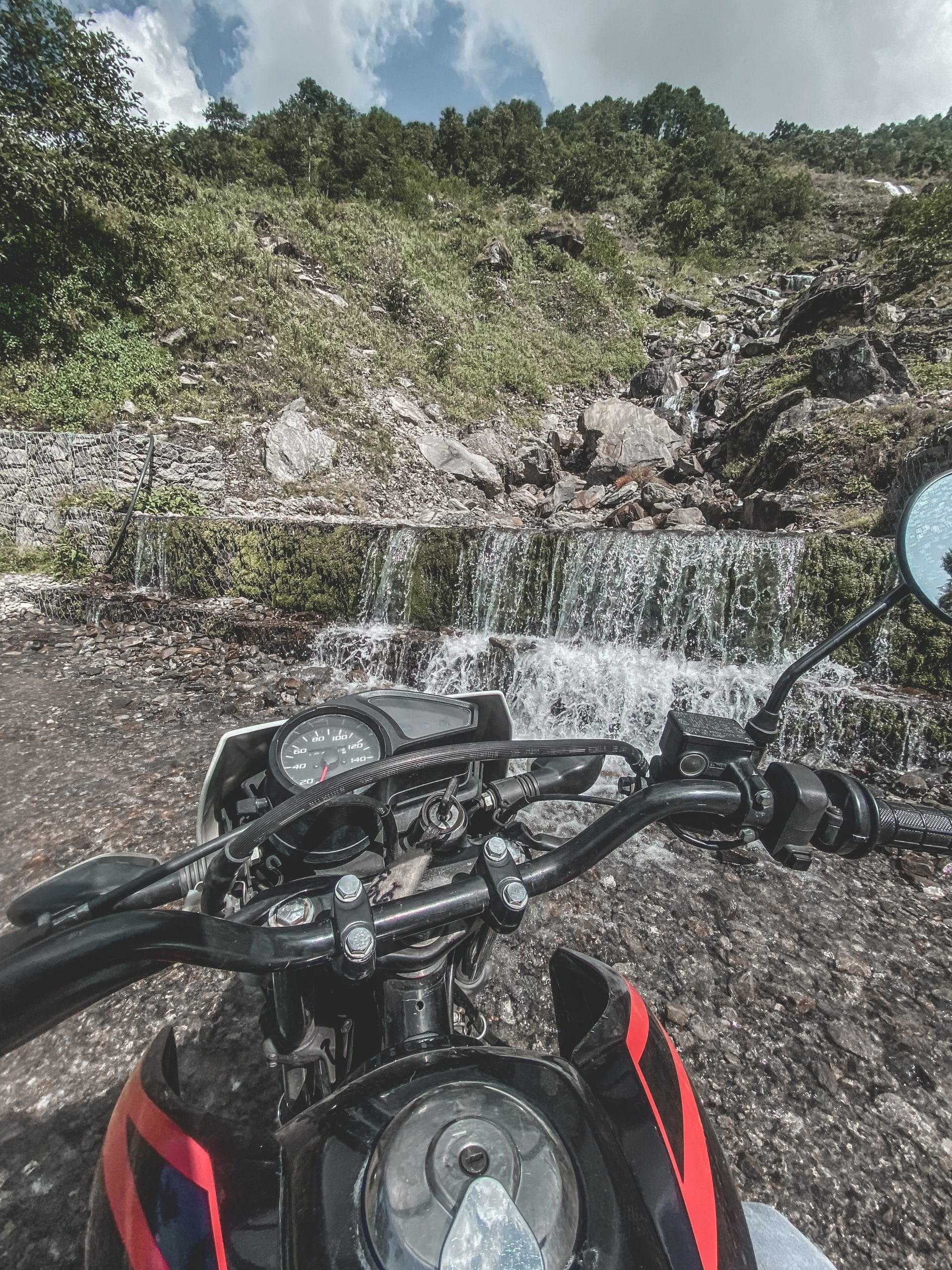
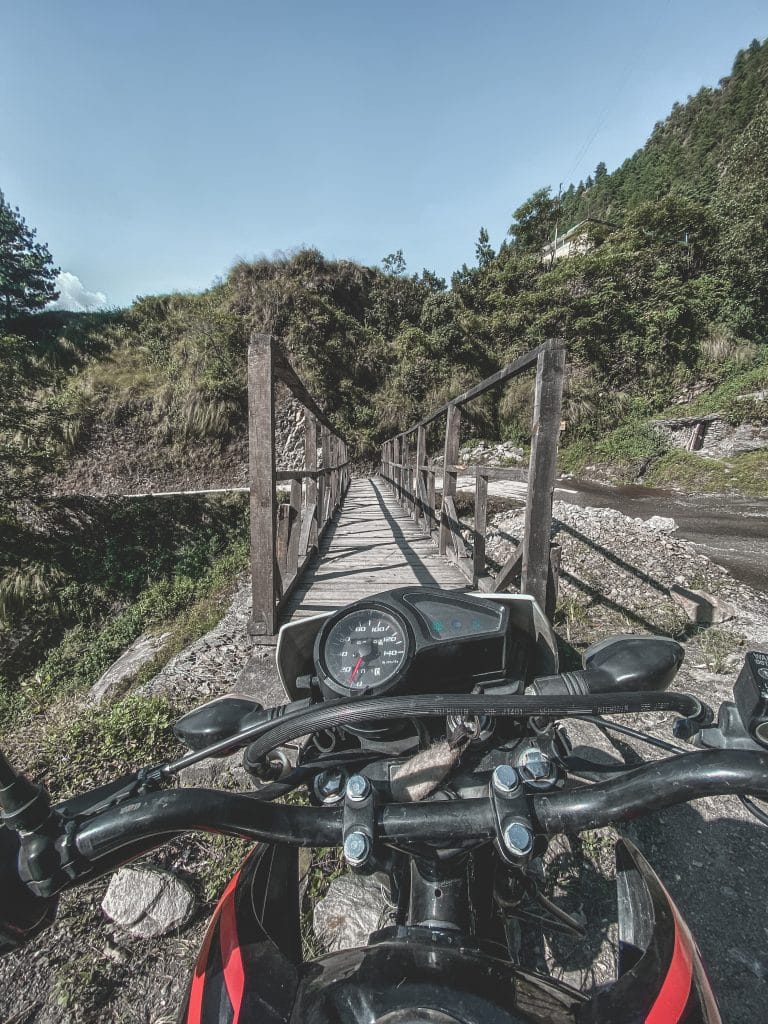
As you descend toward Nuwakot and Rasuwa, waterfalls appear without warning — thin silver curtains, sudden bursts of water, or gentle streams hugging the roadside. Bridges span over deep rivers and rocky streams, each crossing leaving you with a new angle of the valley. The sound of rushing water becomes your background soundtrack, reminding you that the mountains aren’t still; they’re always moving, breathing, flowing.
Slight Tease of Dusky Hills and Rivers
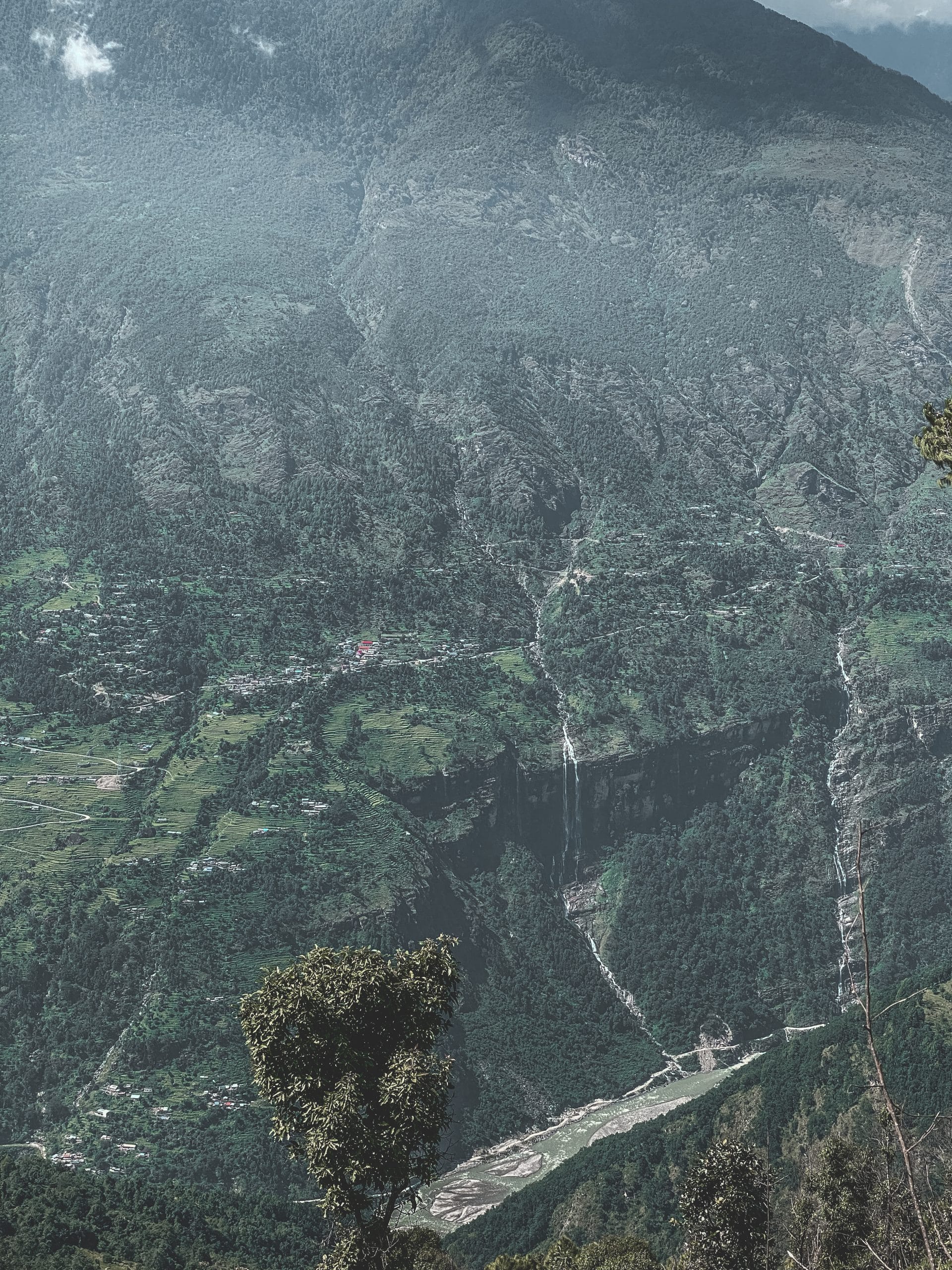
Before entering the heart of Rasuwa, the scenery softens into layers of blue-grey hills stacked under a fading sky. The rivers below catch the last light, turning gold before dissolving into dusk. These fleeting views — seen through gaps in trees and bends in the road — feel like quiet promises of what’s ahead. A landscape half-hidden but full of depth.
Reached Syabrubesi and Connected with Locals — Another Home
Syabrubesi greets you with warmth. It’s a lively stop where trekkers, jeep drivers, and locals share stories, dal bhat, and laughter. Hospitality here is effortless — a genuine kind that makes you feel welcome even before you’ve introduced yourself. Conversations are easy, meals are hearty, and the river beside the town hums a constant, comforting tune. You quickly realize Syabrubesi isn’t just a waypoint — it’s a home before the climb.
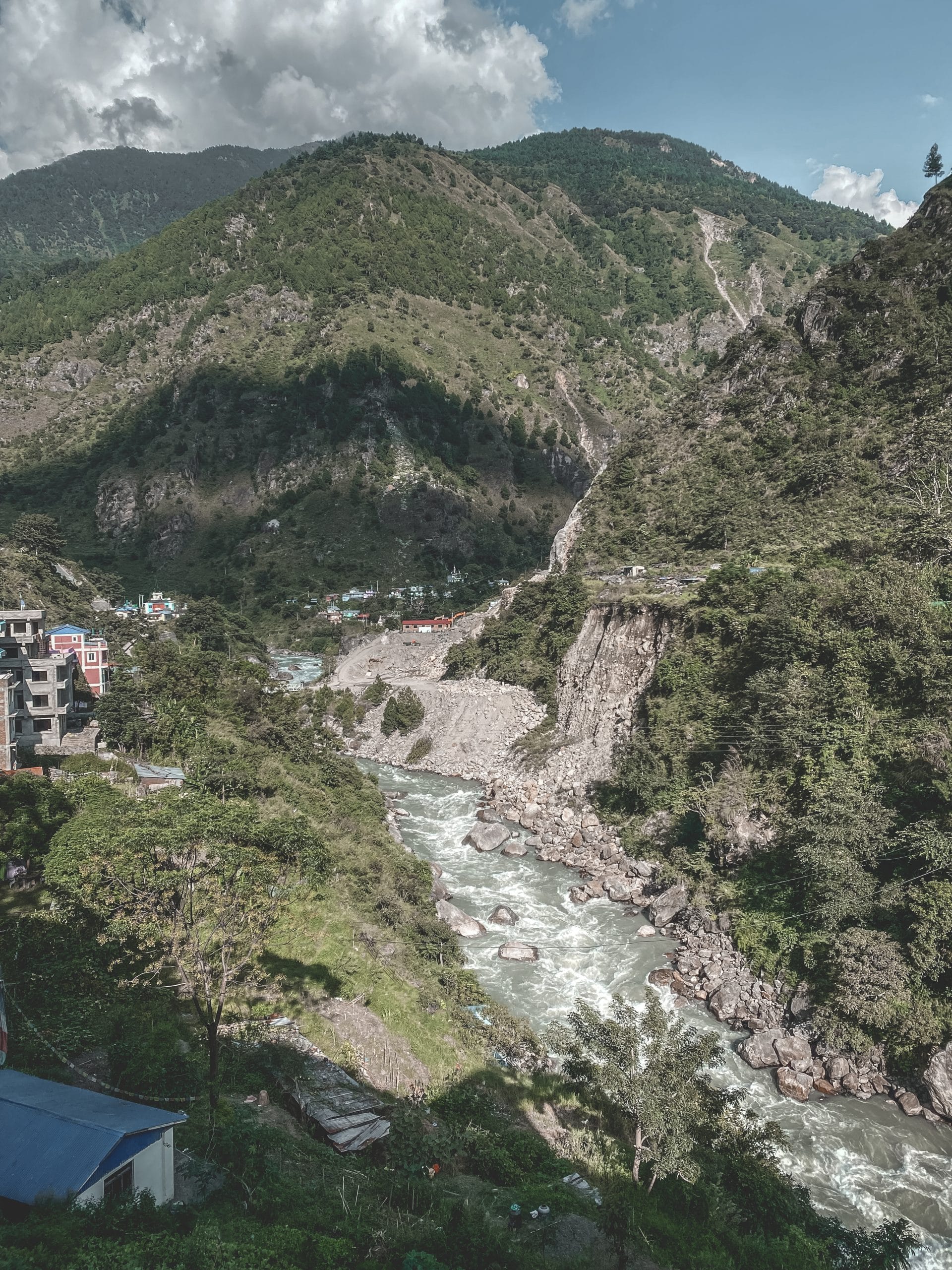
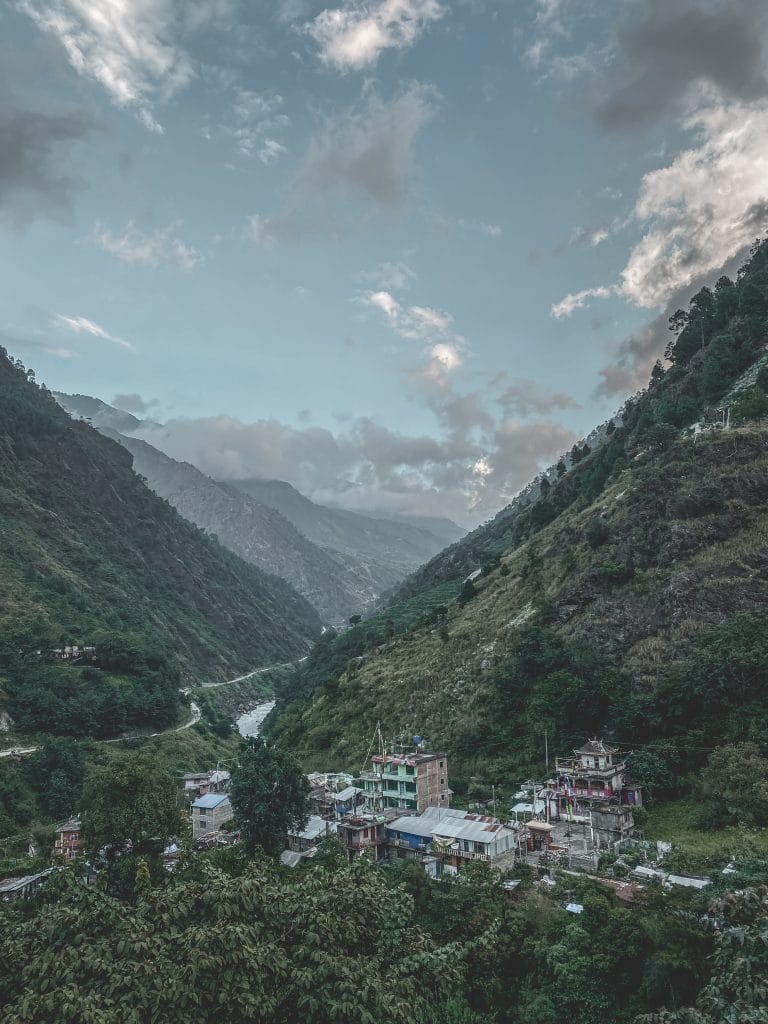
Around Syabrubesi — Ride to Langtang River Bank to Relax
A short ride leads to the wide, roaring Langtang River. The air is cooler, the sound louder, the world more open. Sitting on the stone banks, you can feel the force of the water as it rushes down from glaciers and high valleys. Time slows here. The river strips away dust from the journey and prepares you for the higher villages ahead.
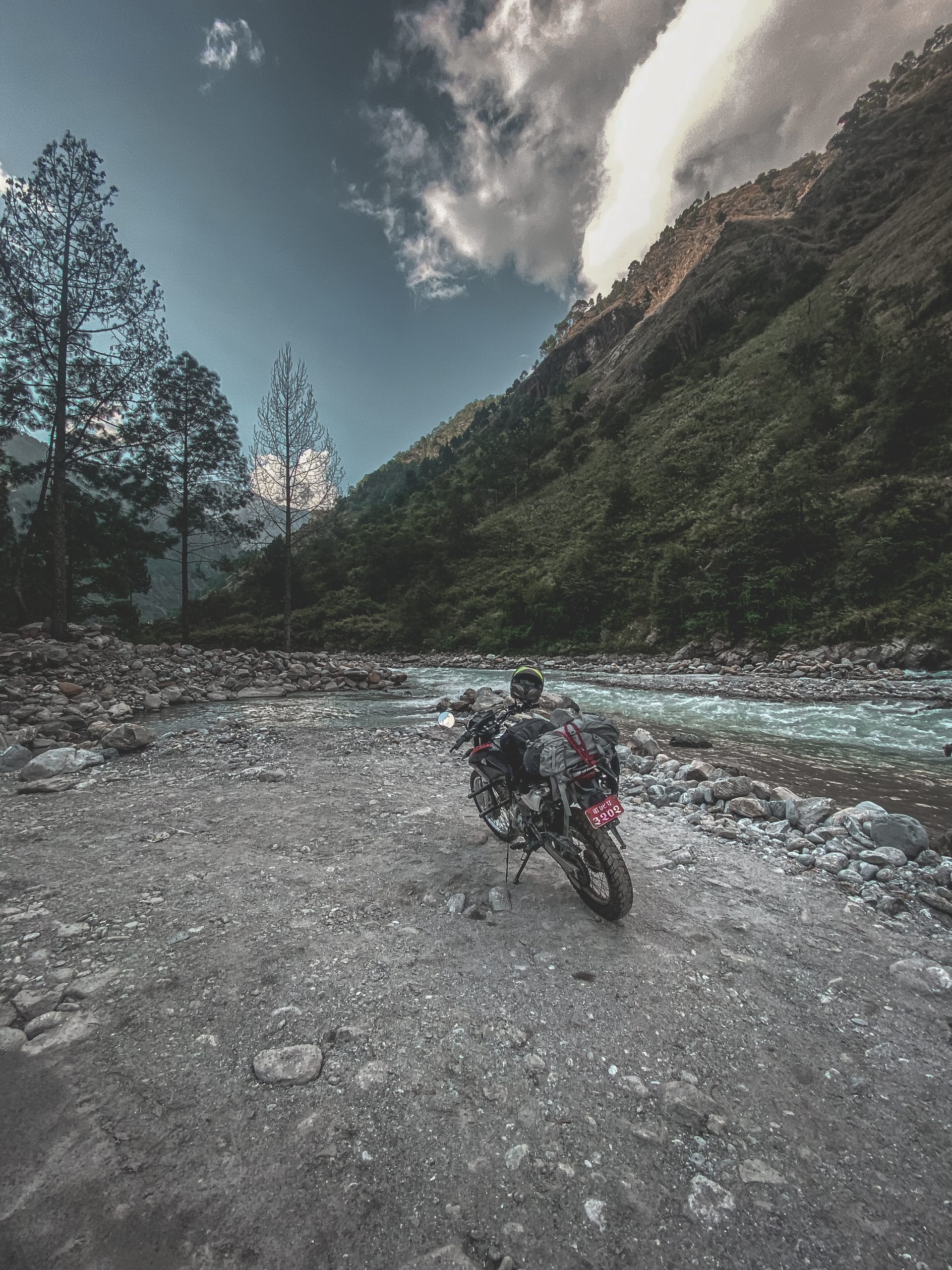
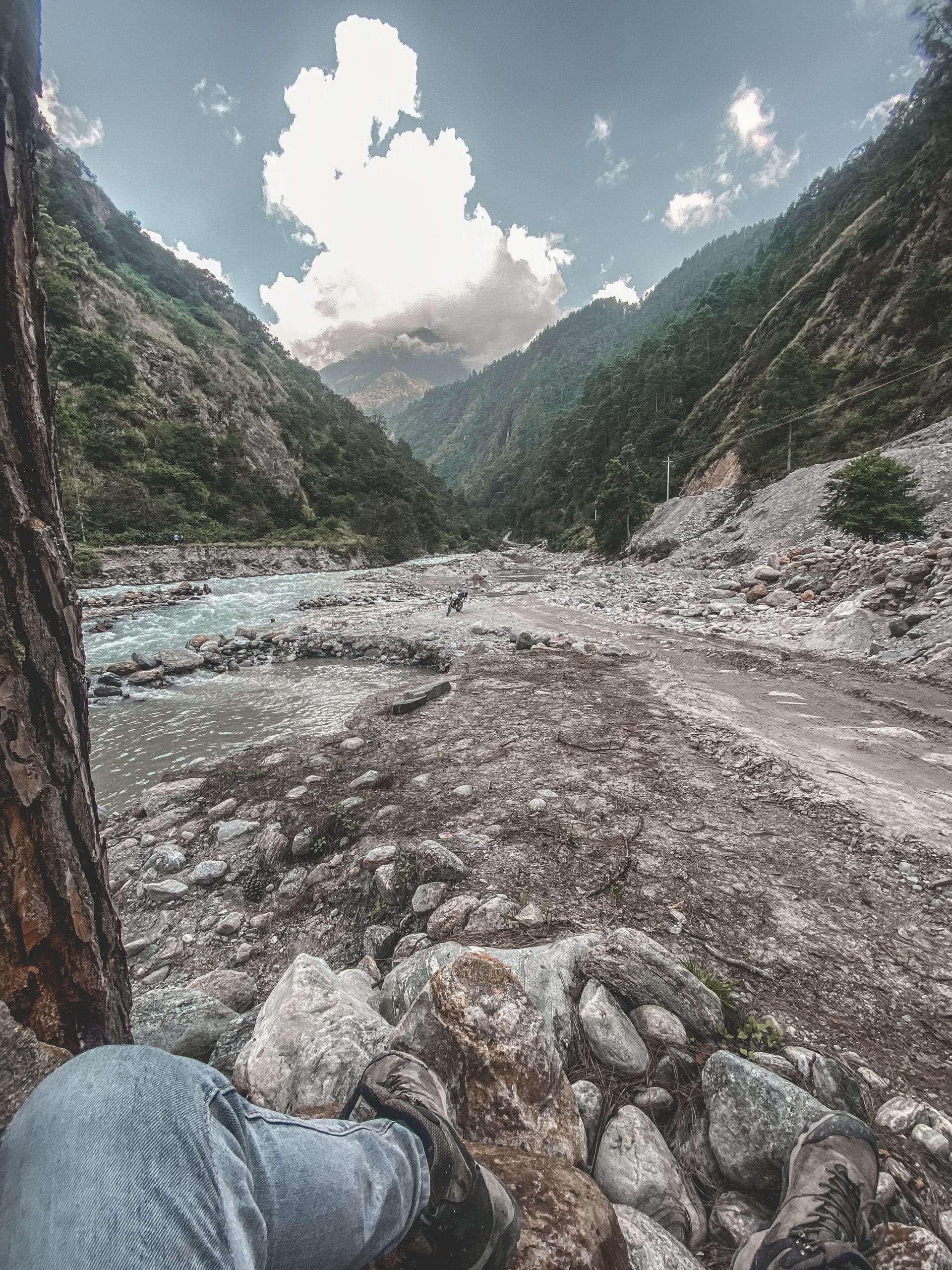
Journey to Gatlang Begins
The turn toward Gatlang marks a shift. The road narrows, the bends tighten, and the slope increases. With each curve, the valley drops deeper and the mountains rise higher. Traffic fades away until it’s just you, the engine, and the mountain wind. Every twist feels like moving further from the world you know and closer to a hidden settlement waiting above the clouds.
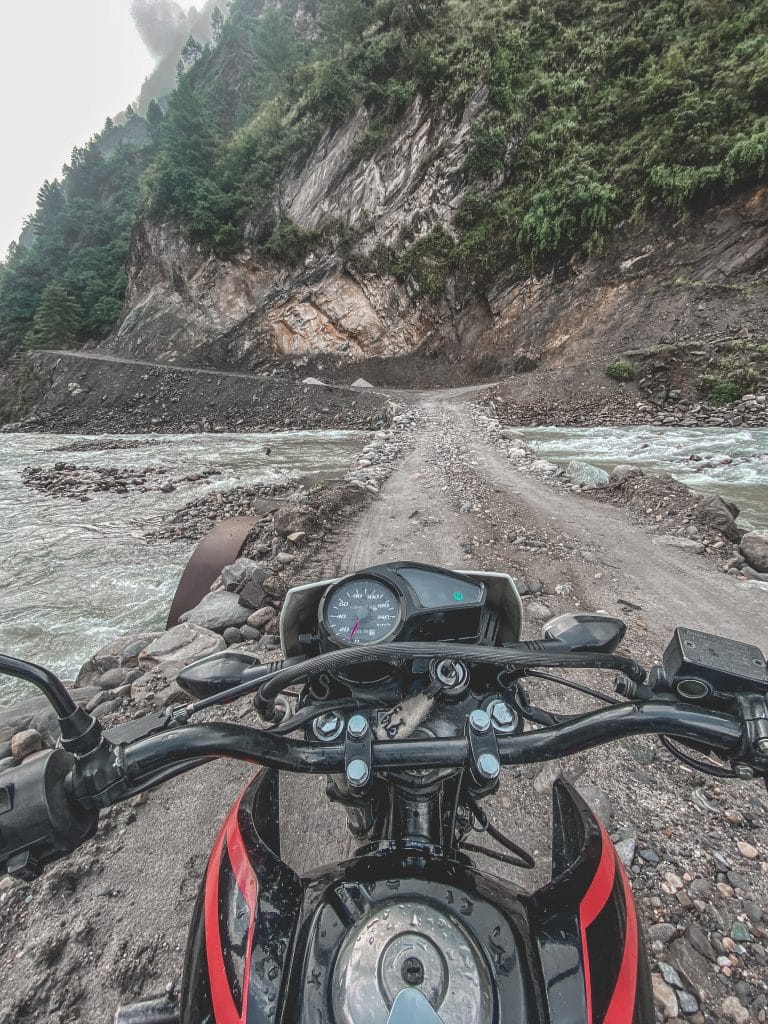
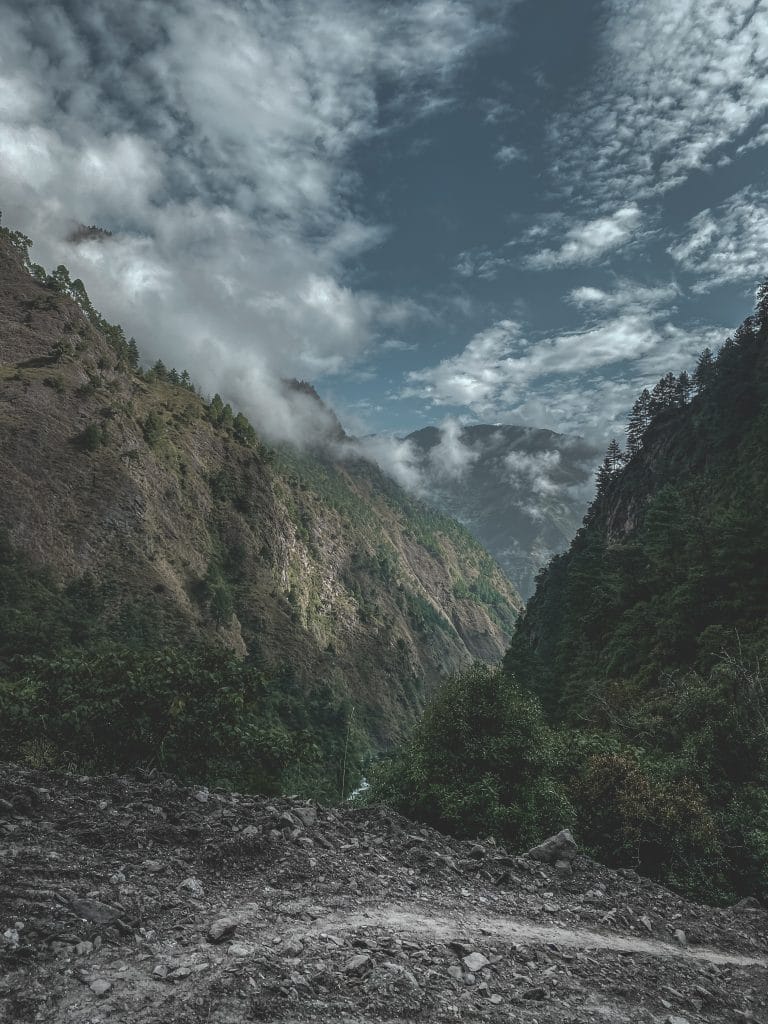
The Roads are Off and Adventurous — Especially in Monsoon
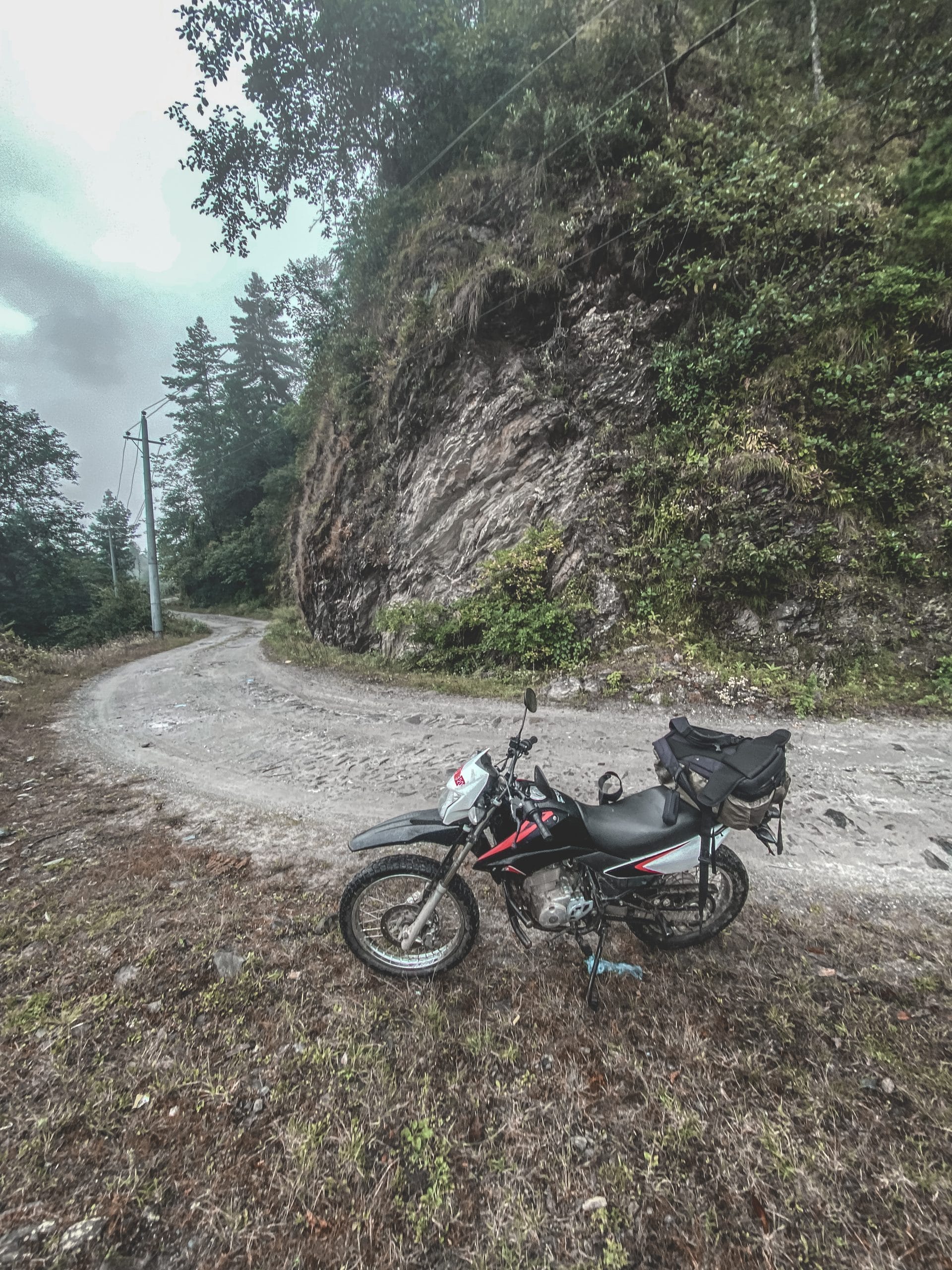
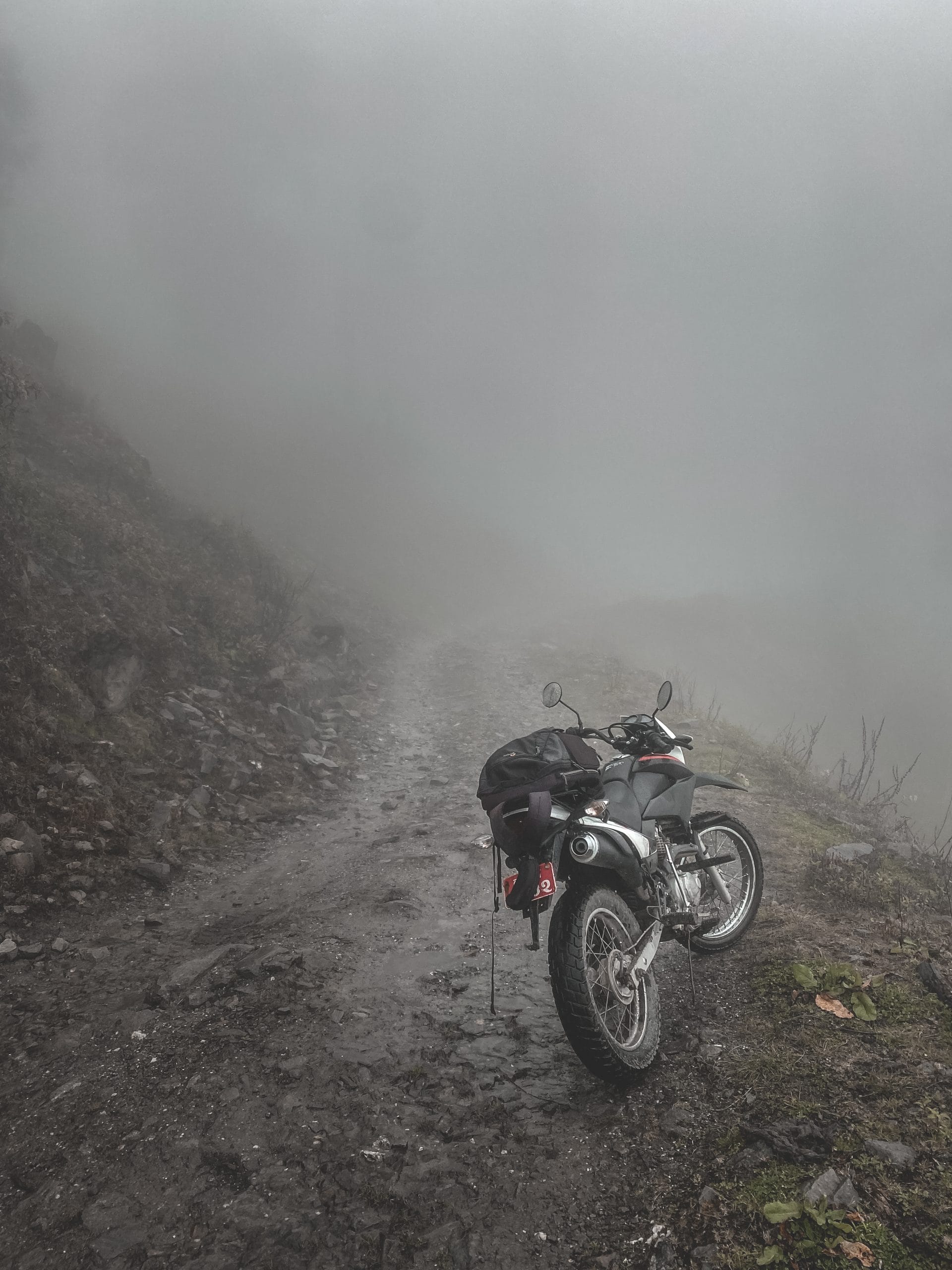
The climb is rugged — muddy tracks, loose stones, and sections where the wheels fight for grip. In monsoon, the road becomes an adventure of its own, more river than road in places. But the challenge makes the journey feel real. Every bump and slide is the mountain testing you, reminding you that beautiful places are rarely easy to reach.
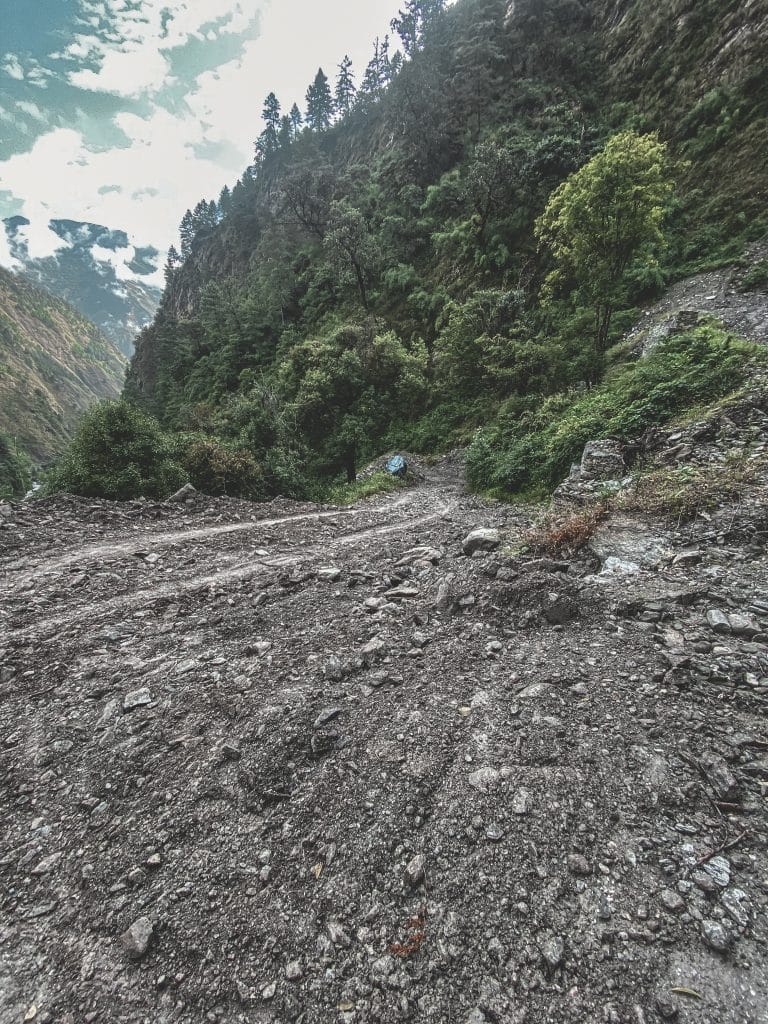
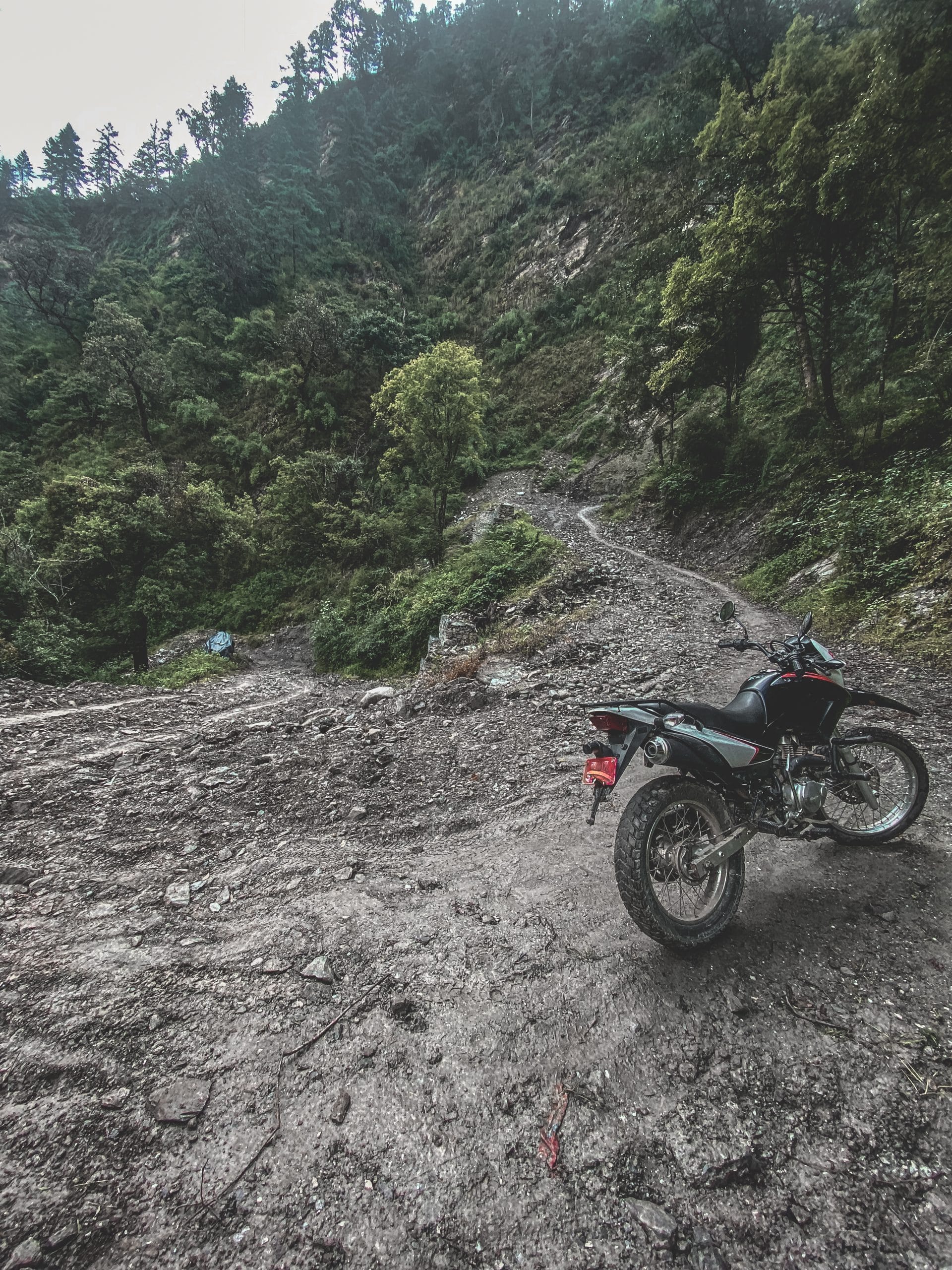
The View as We Climb Up to Gatlang
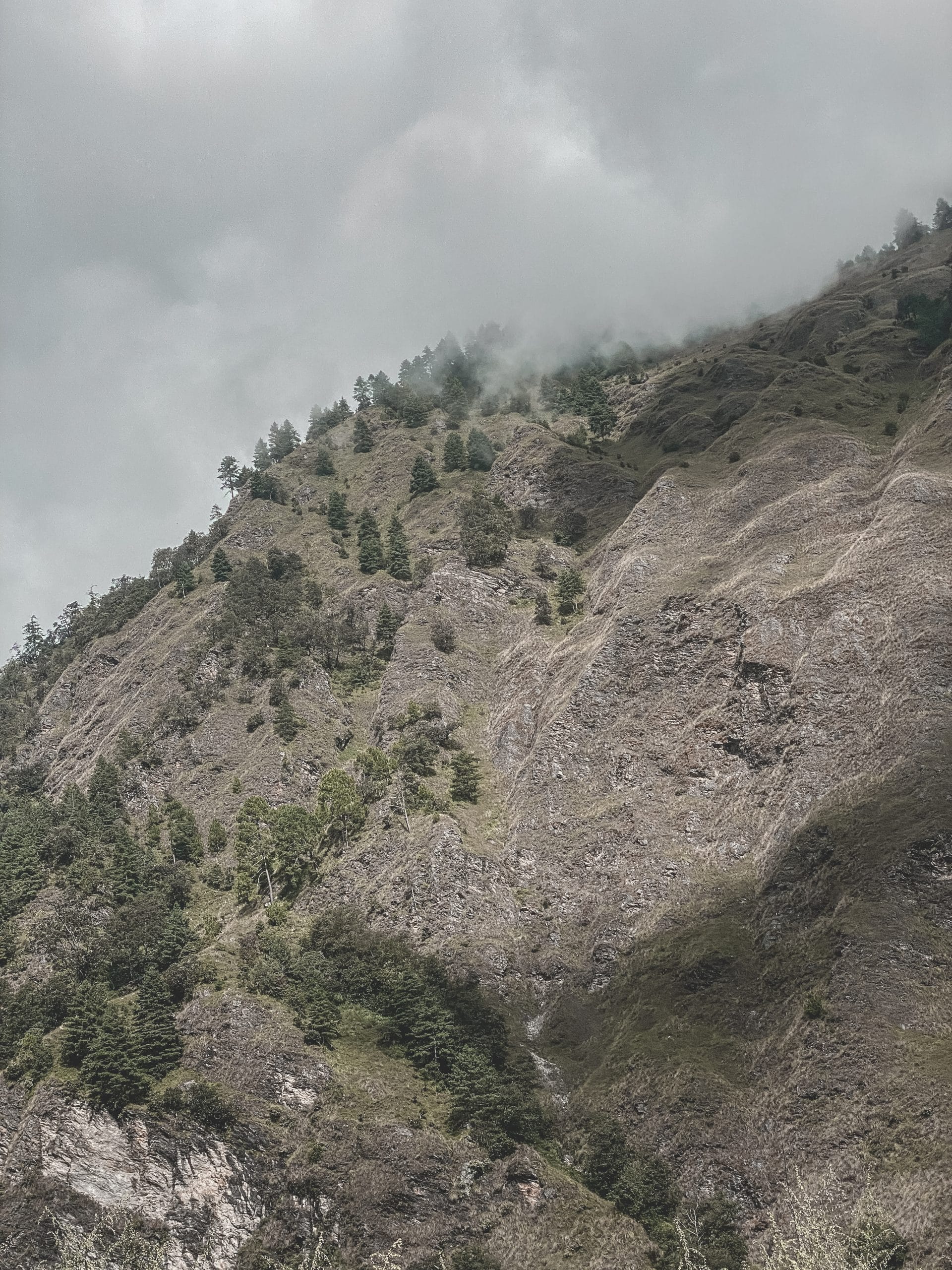
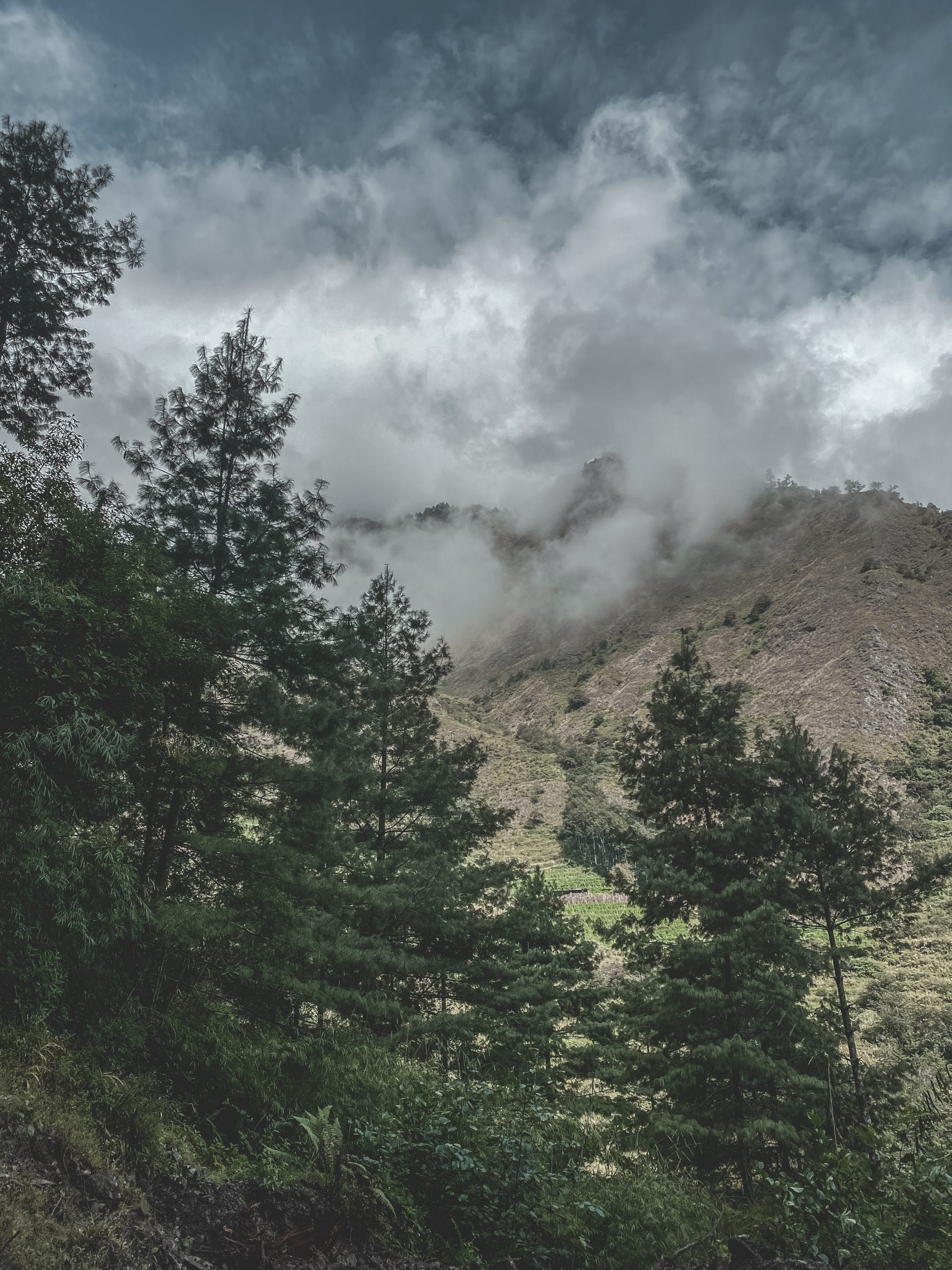
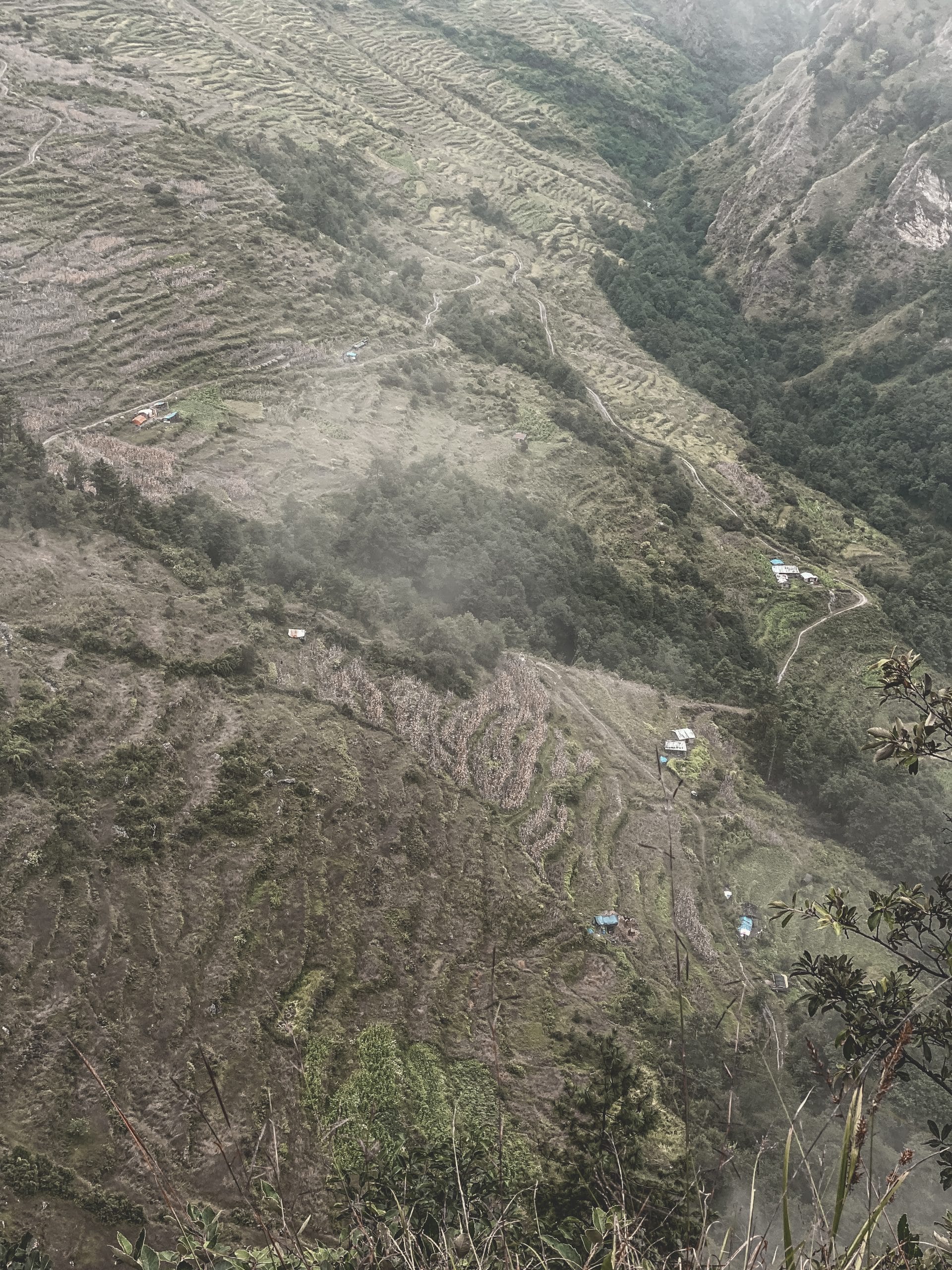
Halfway up, the valley opens like a slow-motion panorama. Terraced farms form gentle curves on the hillsides. Distant ridges fade into blue haze. Rivers glitter far below. The horizon stretches endlessly, and the higher you ascend, the clearer the mountains breathe around you. This is the point where you finally understand why people travel hours just for this sight alone.
Narrow Trails When Reaching Around Gatlang
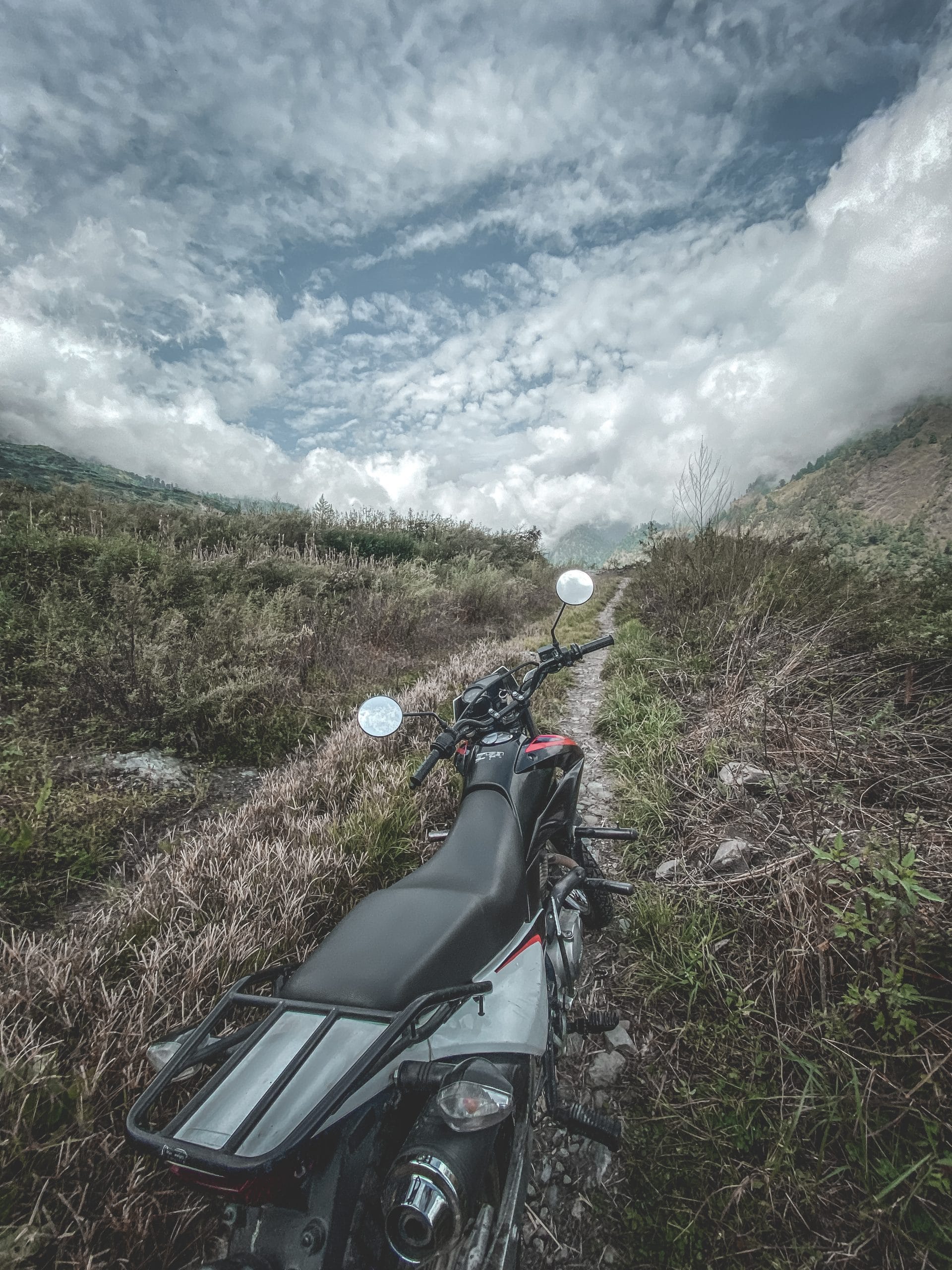
As you get closer, the road thins into stone-lined trails weaving between small fields and scattered houses. Cows graze casually. Chickens dart across the path. Children wave as they run up and down the slopes. Everything feels intimate — as if the mountain itself is guiding you through its own narrow arteries toward the heart of Gatlang.

Reached Gatlang — Once Known as the Black Village
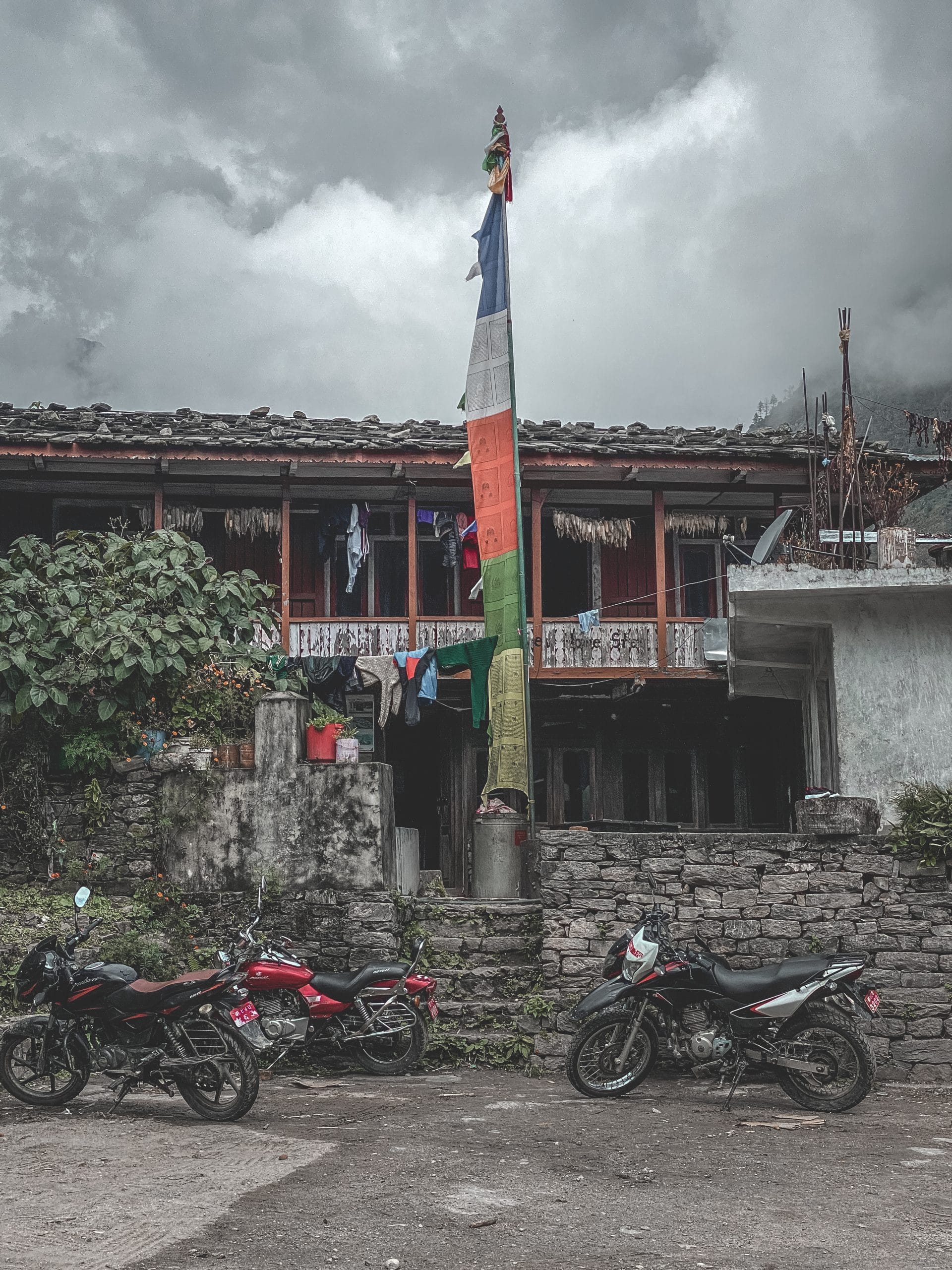
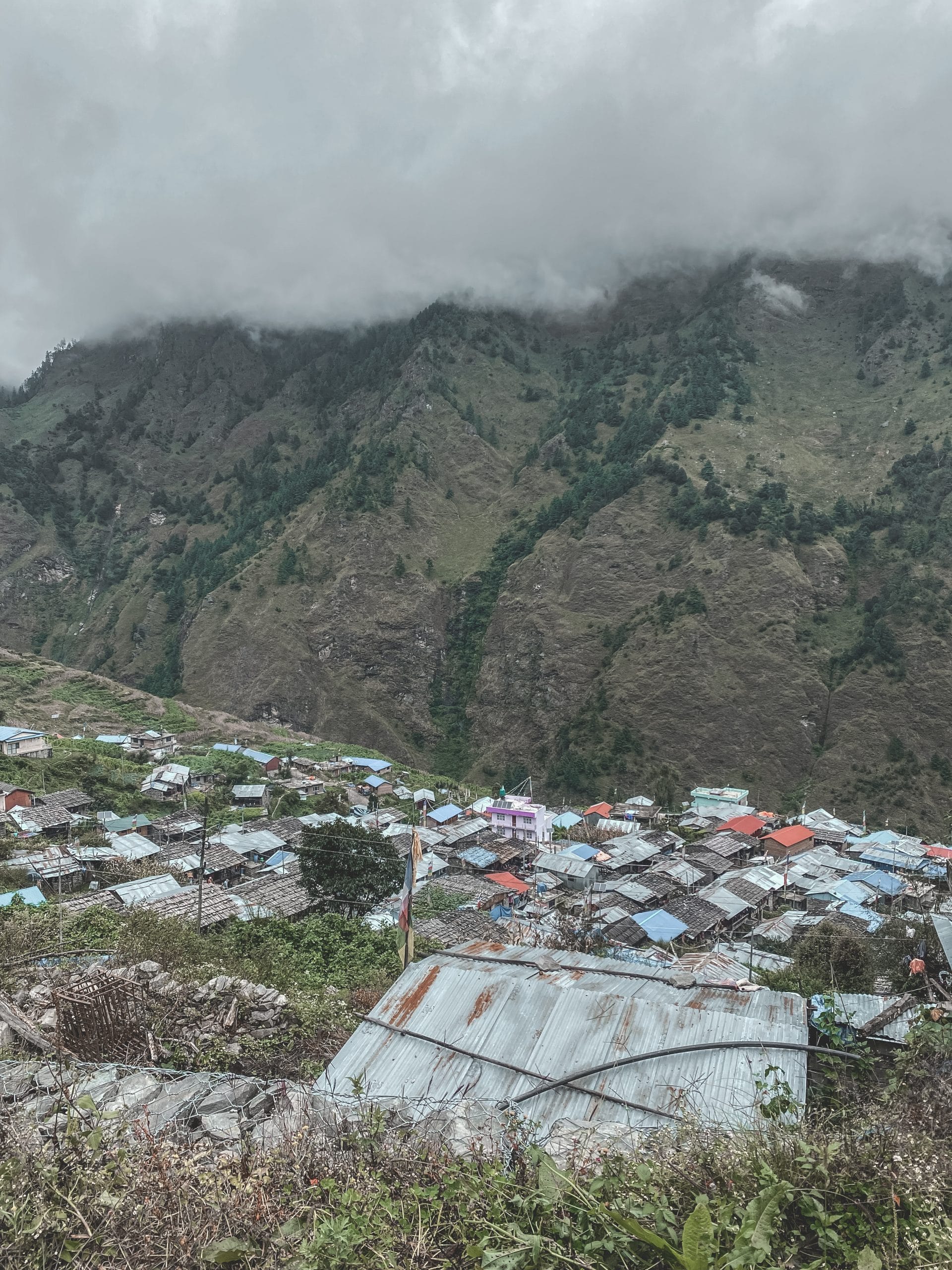
Gatlang finally appears: a dense cluster of dark-roofed, slate-and-wood Tamang houses layered perfectly into the hillside. The village was once called the “Black Village” because the sun-darkened wooden walls and smoke-aged roofs gave it a deep, earthy tone. Up close, the details reveal themselves — carved windows, stacked stones, prayer flags swaying in the wind, and alleys polished smooth by generations.
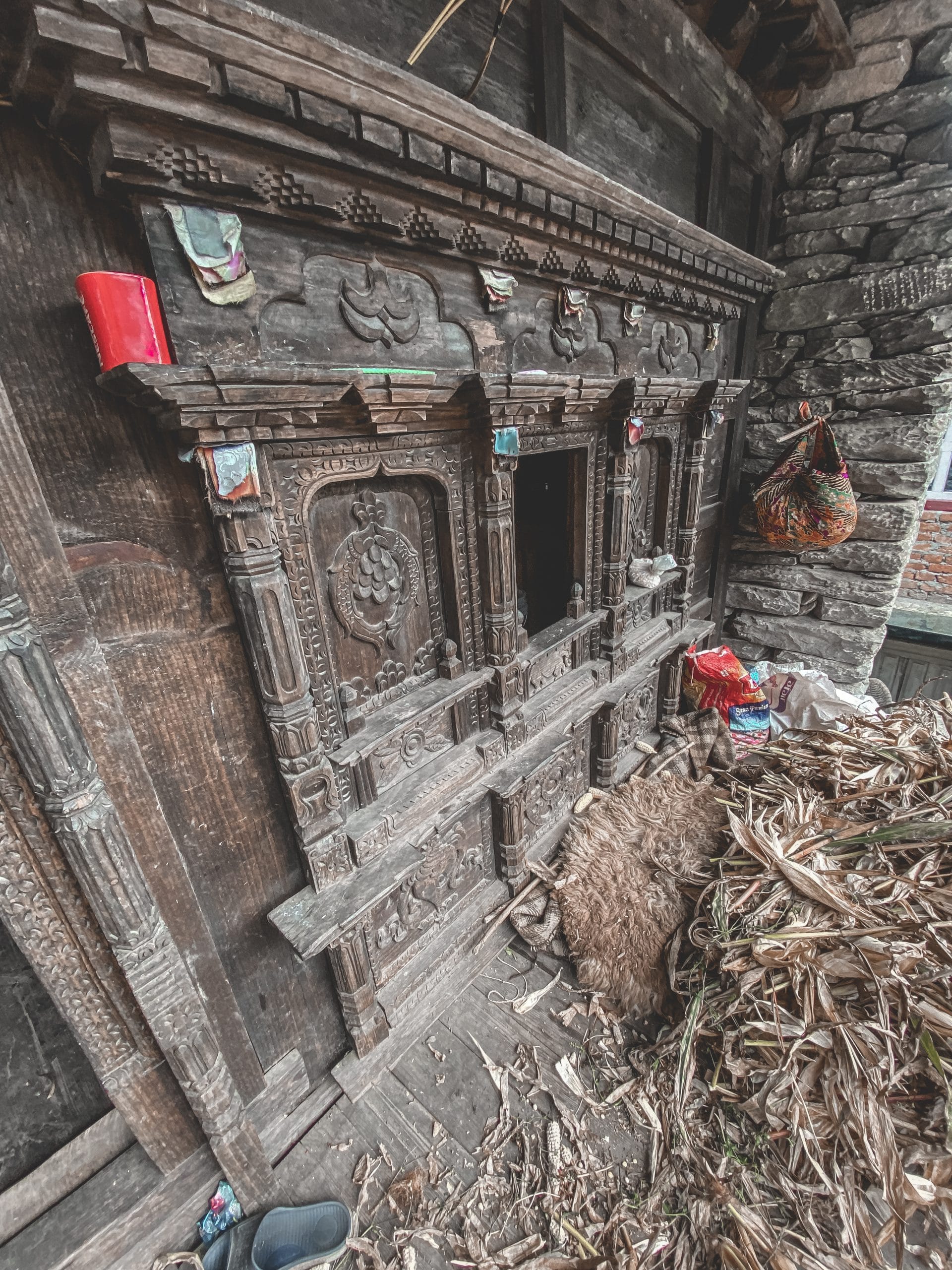
Time with Locals
In Gatlang, hospitality is a culture, not a gesture. People greet you with warm smiles and invite you into their homes without hesitation. Conversations flow easily — about farming, weather, festivals, and family. You hear stories of migration, resilience, and the earthquake that reshaped many lives. Sitting with locals feels like stepping into another pace of time, where community is the core of life.
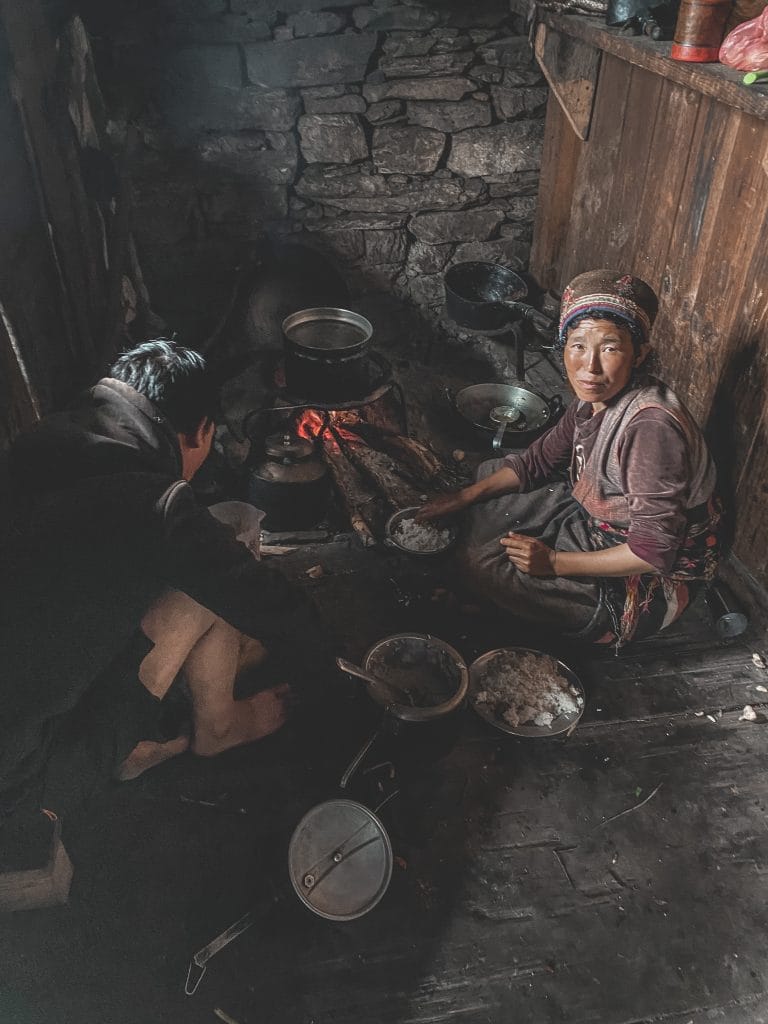
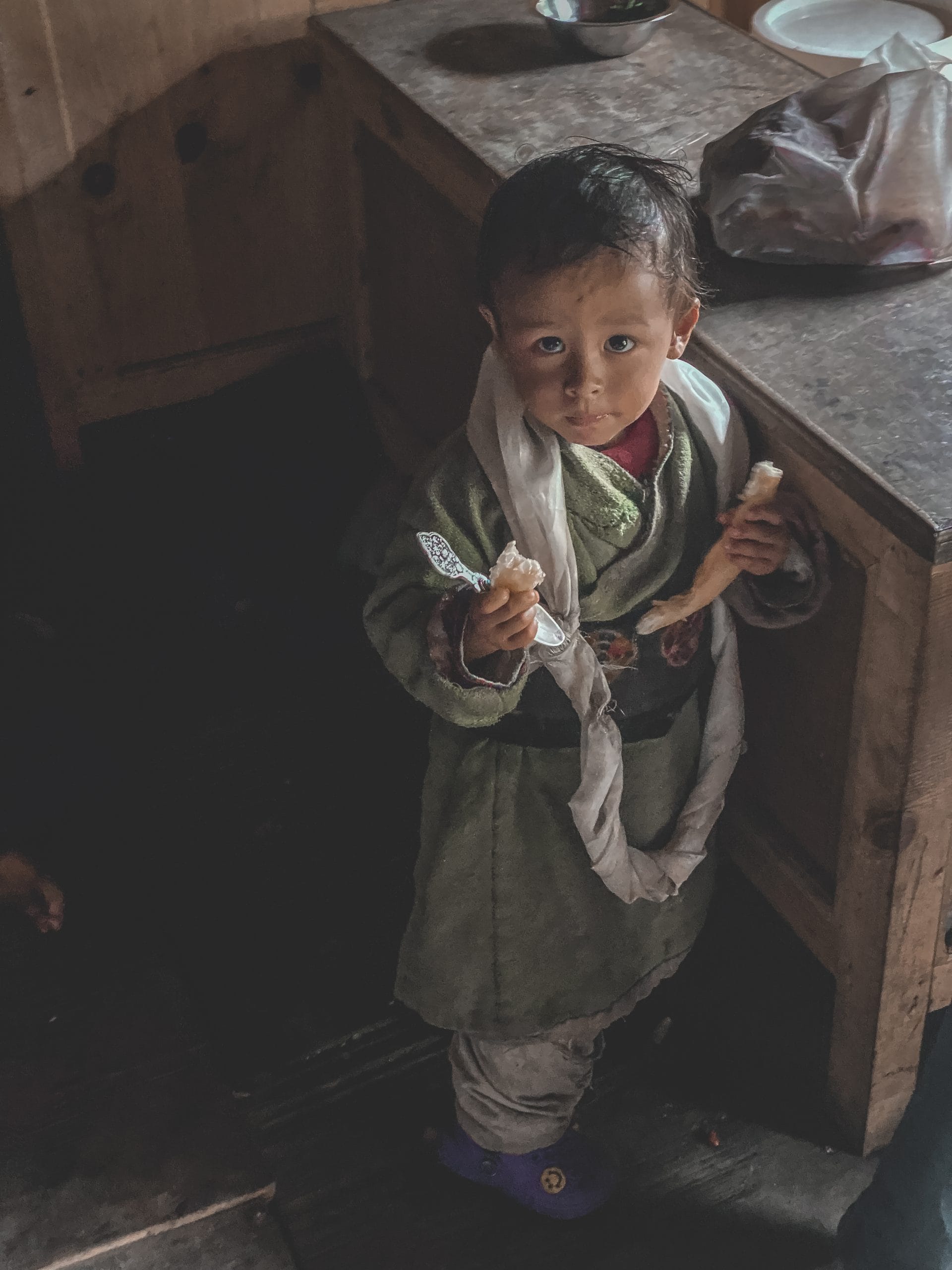
A View and a Warm Soup
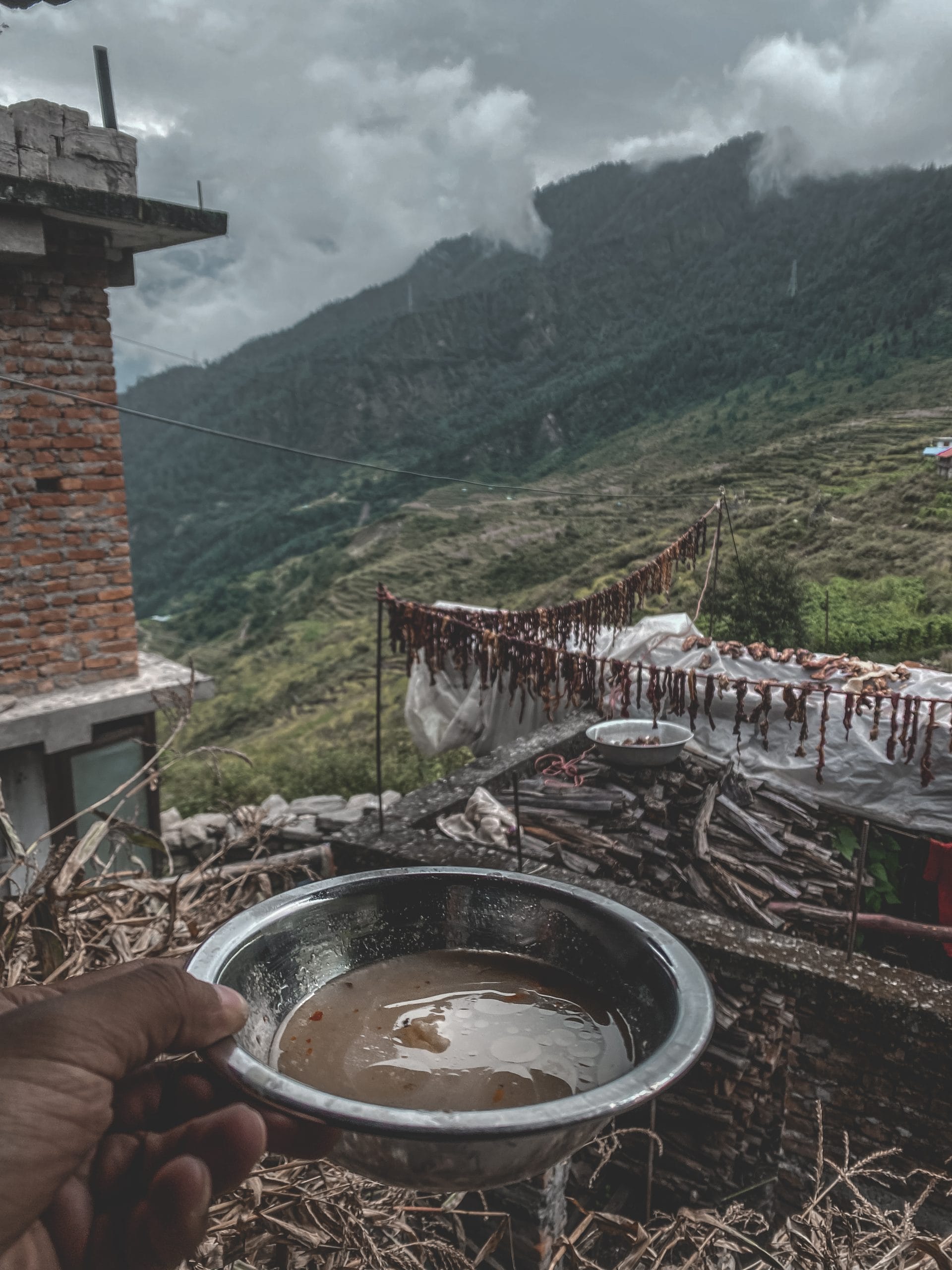
There’s a comfort here that’s impossible to forget: sitting on a rooftop or by a window, hands wrapped around a warm bowl of soup, watching clouds drift through the valley. The air is sharp, the wind gentle, and the soup carries the quiet flavors of the mountain. It becomes one of those pure moments — simple, warm, and deeply grounding.
Walk Around to Parbati Kunda
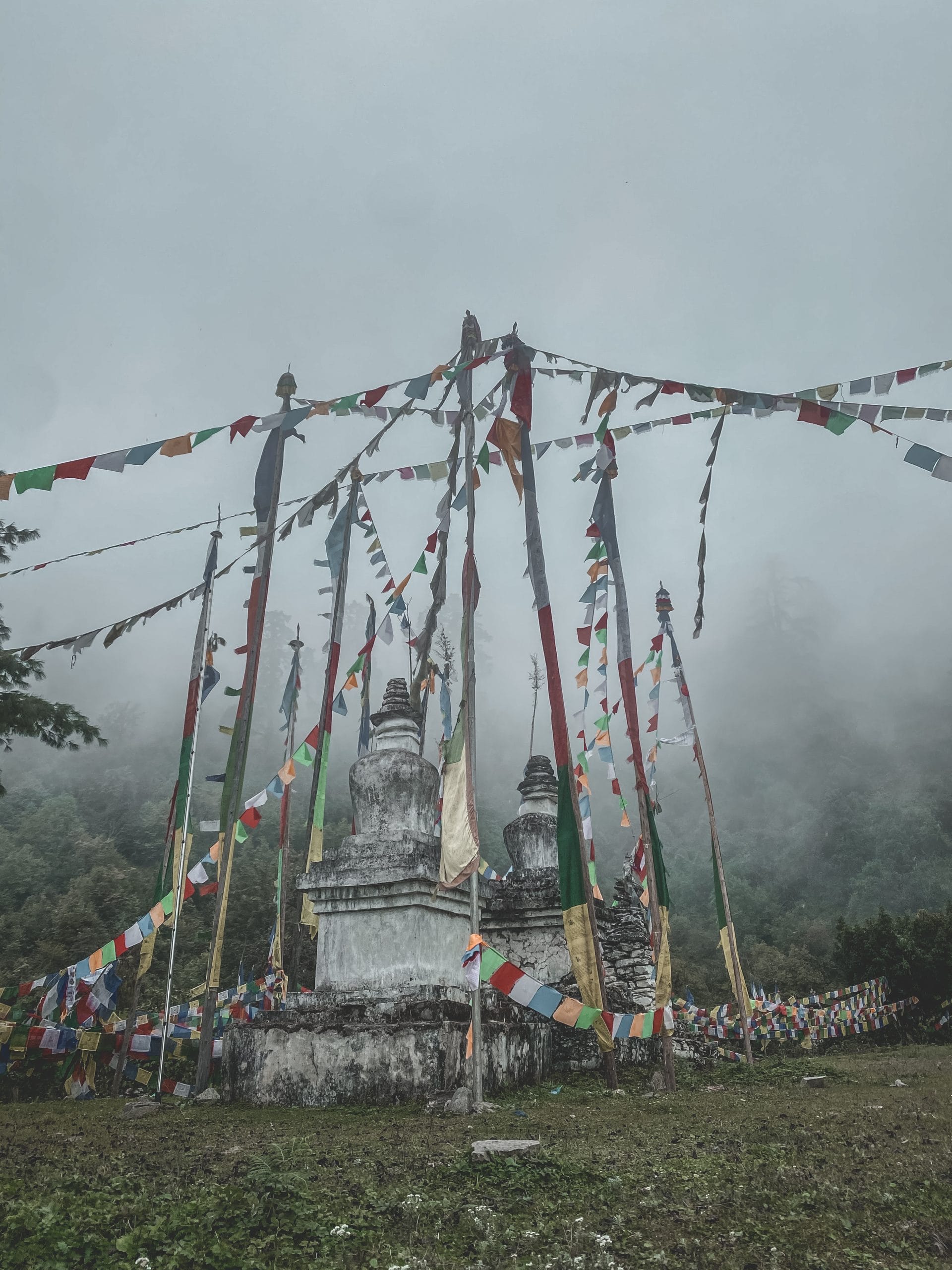
A gentle climb leads from the village to the sacred Parbati Kunda lake. The trail winds through pine and rhododendron forests, stone steps, and open patches where the sky widens. Birds echo from the trees, and prayer flags appear at unexpected corners. The walk feels like a pilgrimage — calm, reflective, and connected to something older than memory.
Around Parbati Kunda
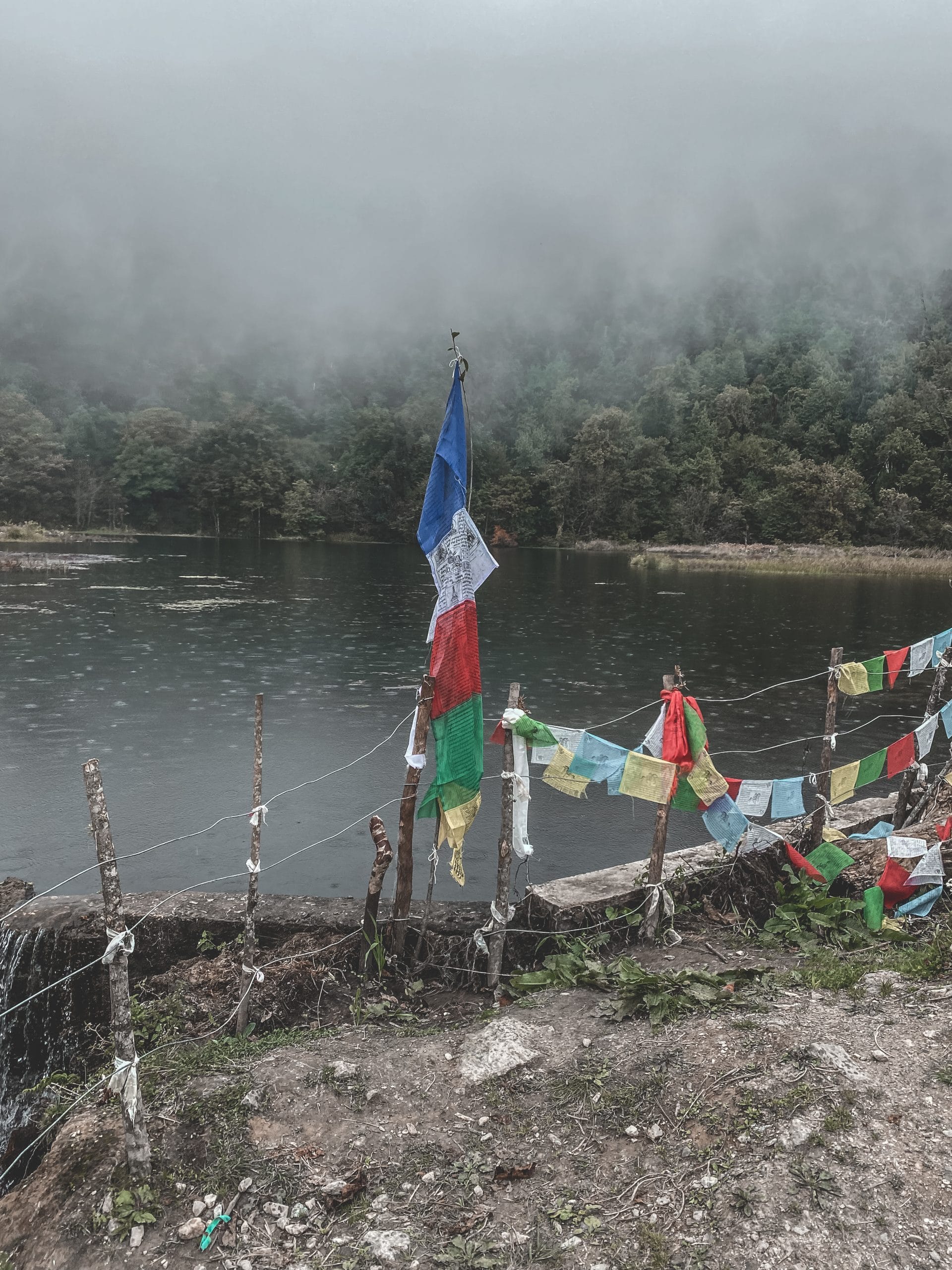
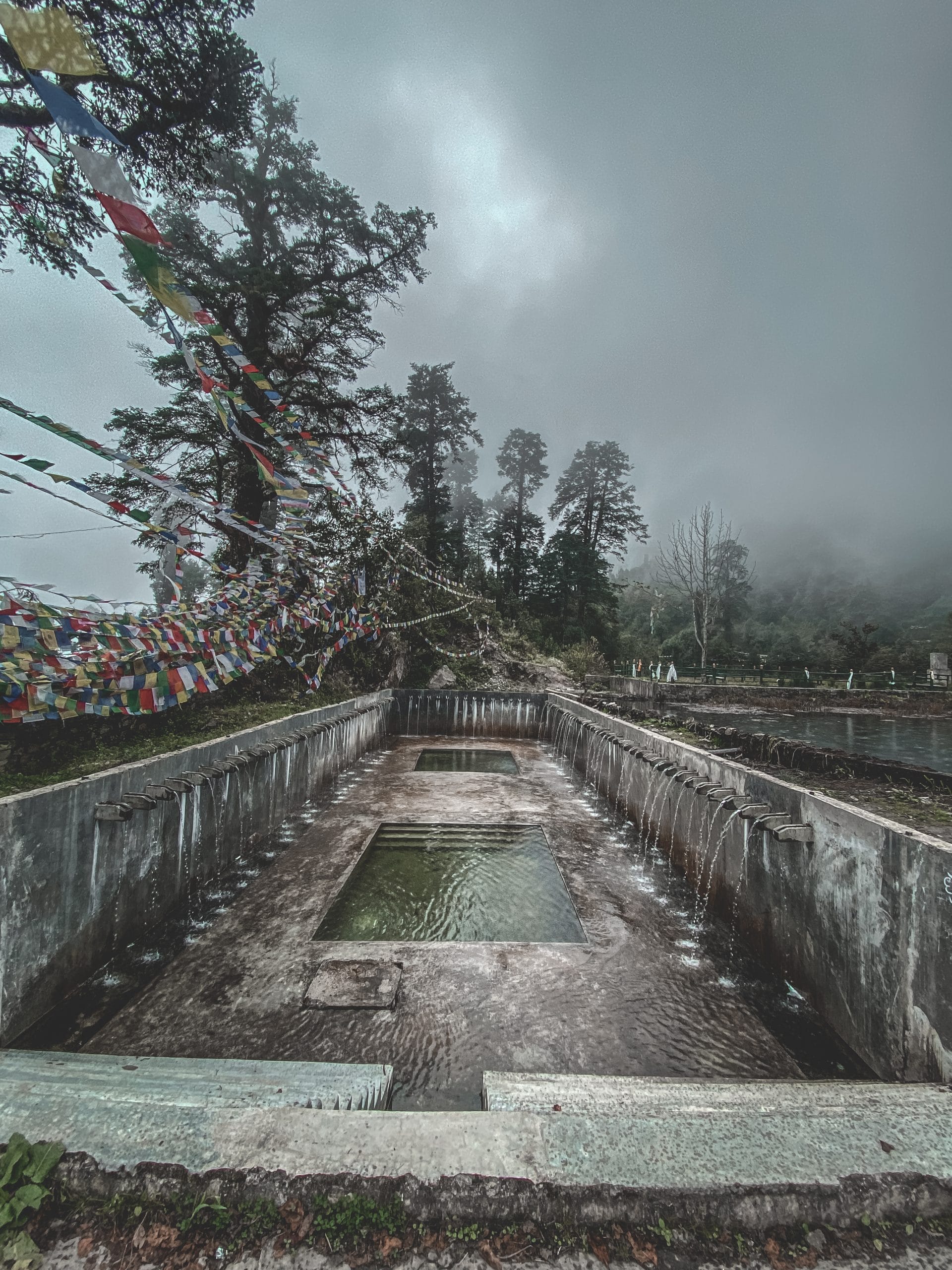
Parbati Kunda rests quietly among the trees — a still, emerald-green lake worshipped by locals and visited by pilgrims. Its surface mirrors the sky, the forest, and the occasional prayer flag moving softly in the wind. The silence around the lake carries a sacred weight, the kind that makes you lower your voice even when no one is around.
Getting Some Yak Churpi and Cheese
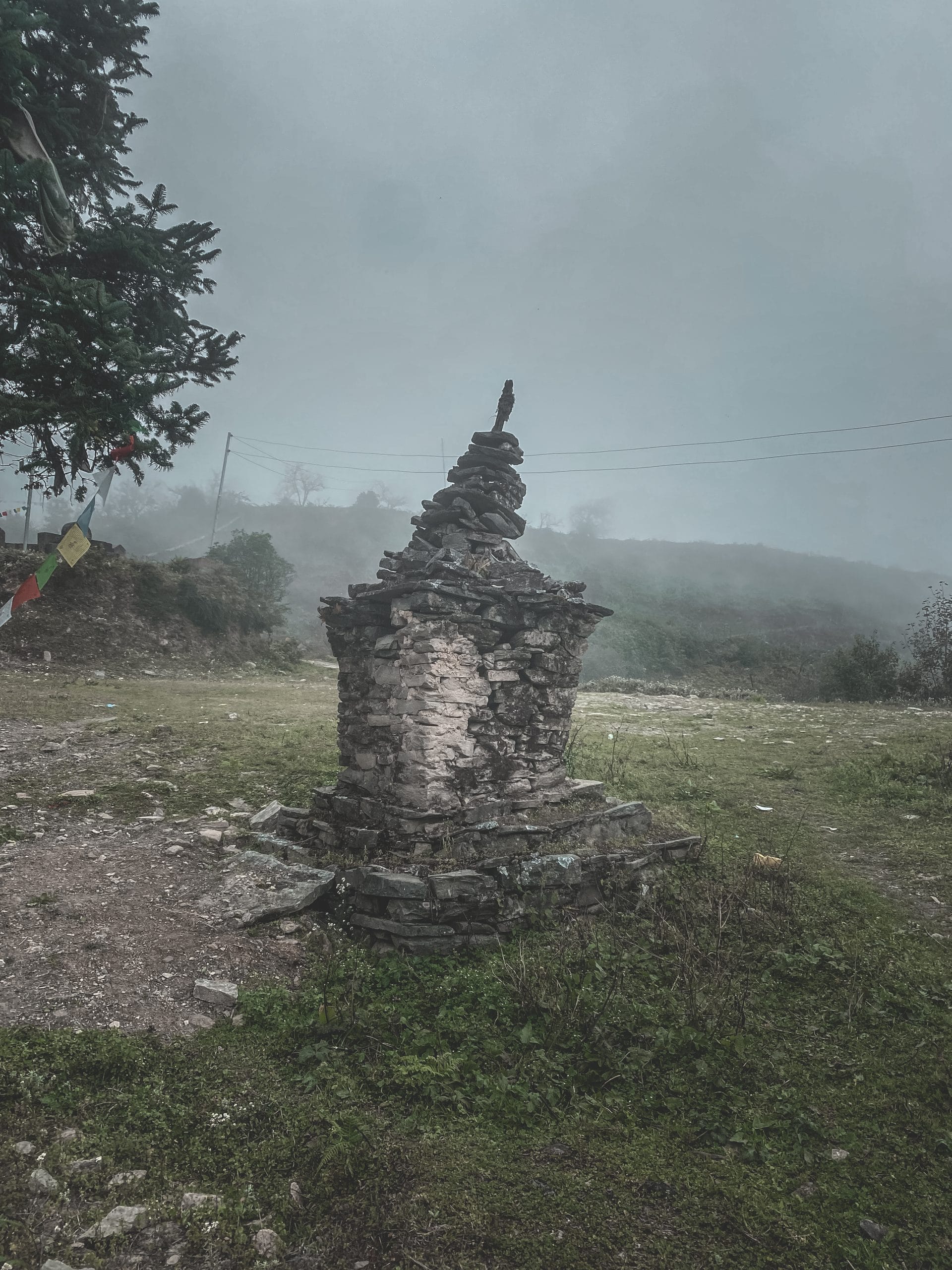
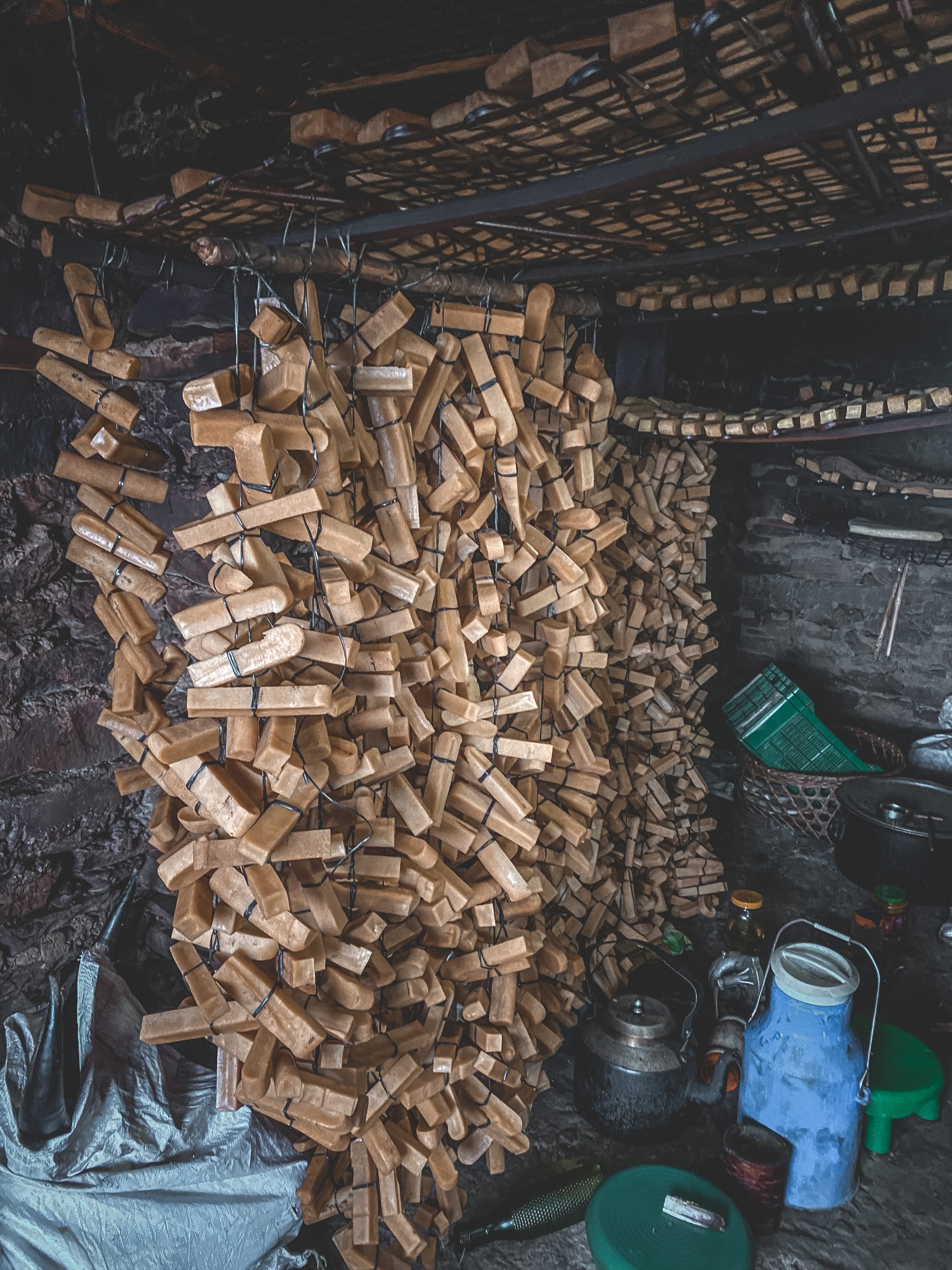
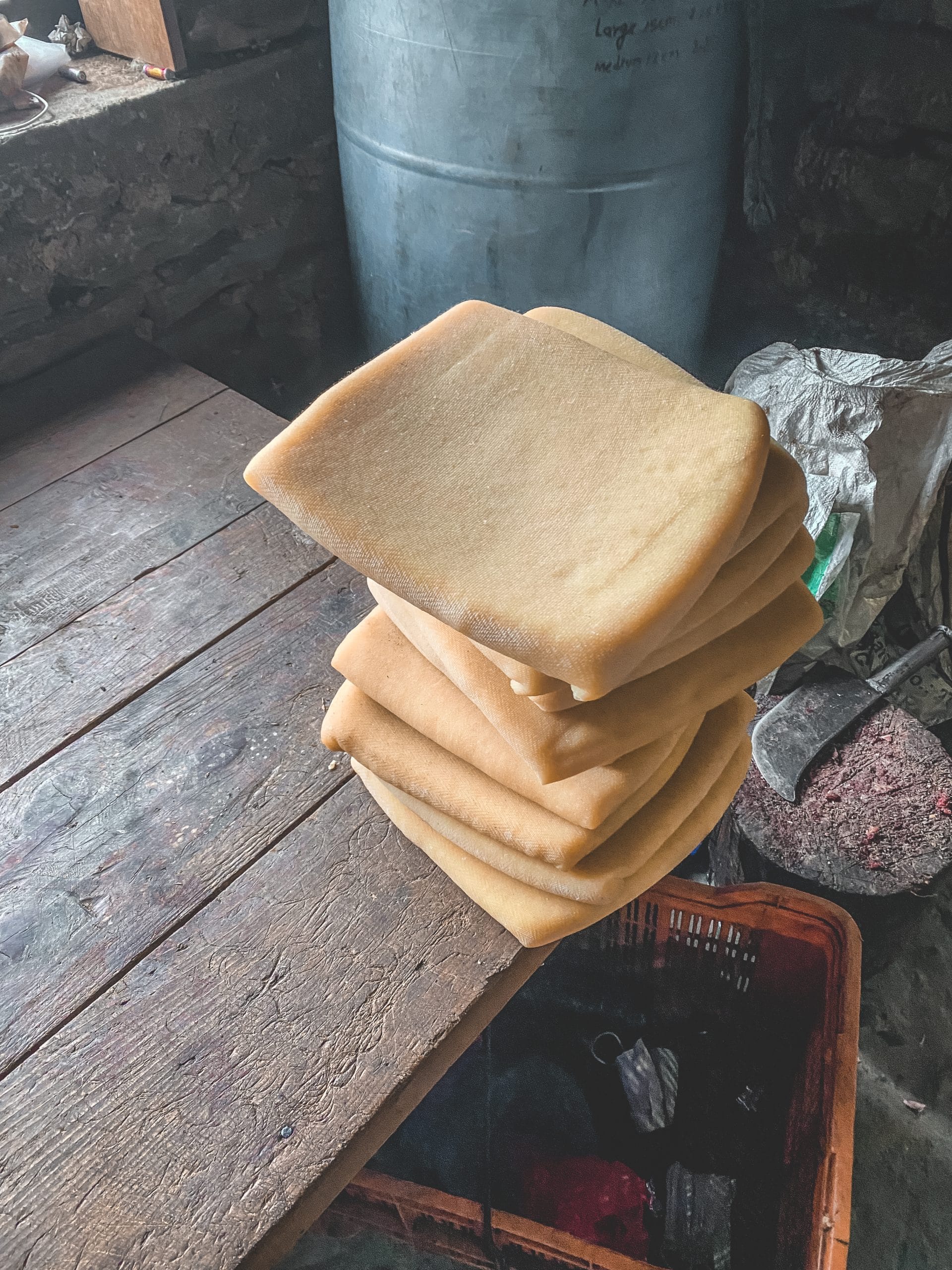
Back in the village, tasting churpi and yak cheese becomes its own experience. Inside dark, cool rooms, cheese wheels age slowly while churpi dries in long strings. The first bite is tough, then softens, releasing flavors shaped by grass, smoke, and mountain air. These aren’t just snacks; they’re edible memories of Gatlang’s landscape and way of life.
The majestic views with small people settlement
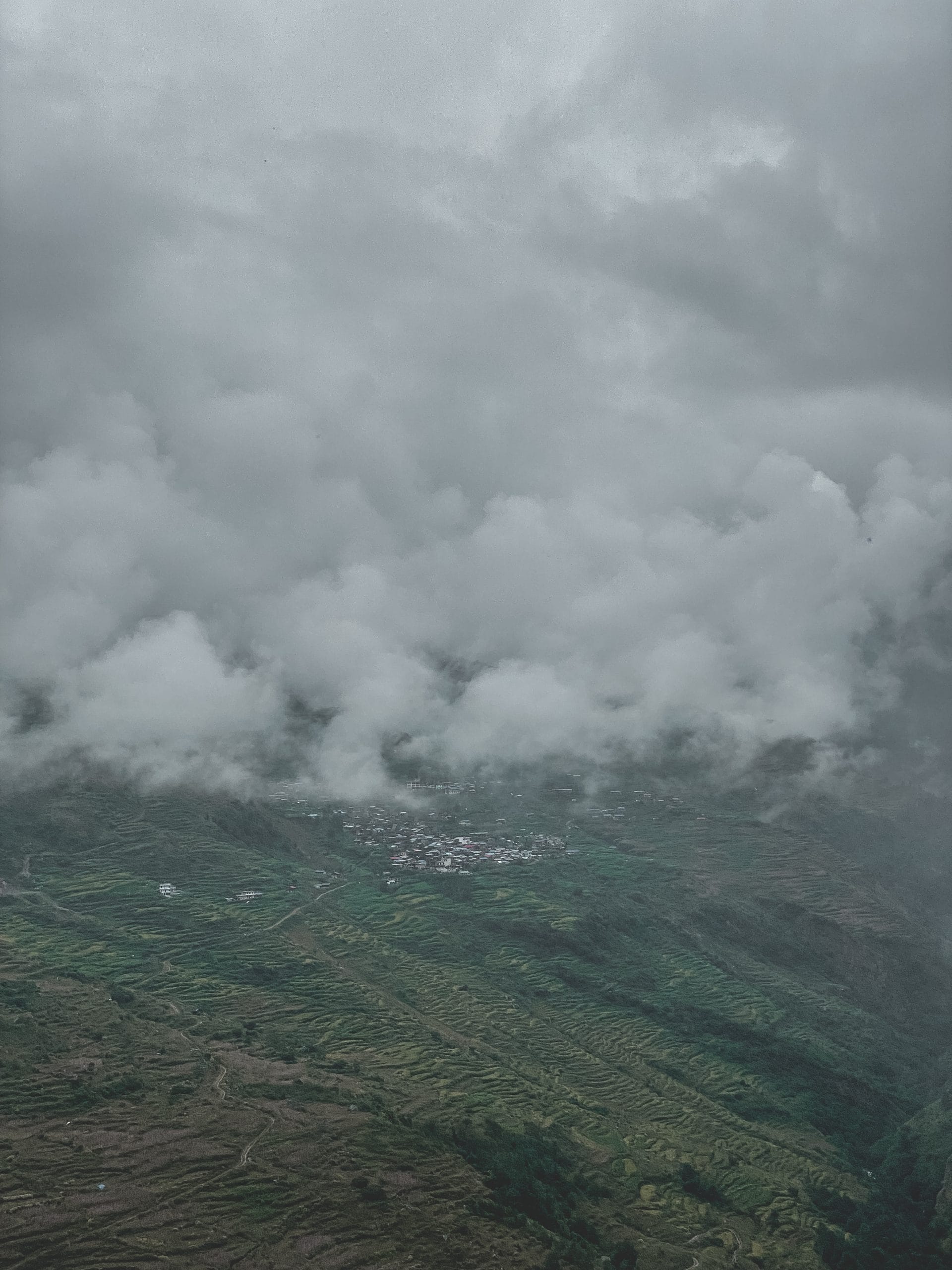
From the higher trails, the village looks small — a patchwork of stone homes and terraced fields surrounded by massive ridges. The contrast is humbling. It reminds you how people build lives in the harshest terrains with strength, patience, and deep connection to the land. Gatlang may be small on the map, but it stands large in its identity.
The Unique Journey
The journey to Gatlang is more than a trip — it’s a collection of shifting moods and landscapes. Mist, waterfalls, cliffs, teashops, warm smiles, quiet forests, sacred lakes, stone houses… each piece forms a chapter in a story you didn’t know you needed. When you eventually leave, you carry more than photos — you carry a calmness, a memory of stillness, and the feeling of having stepped into a world that continues to live exactly the way it always has.