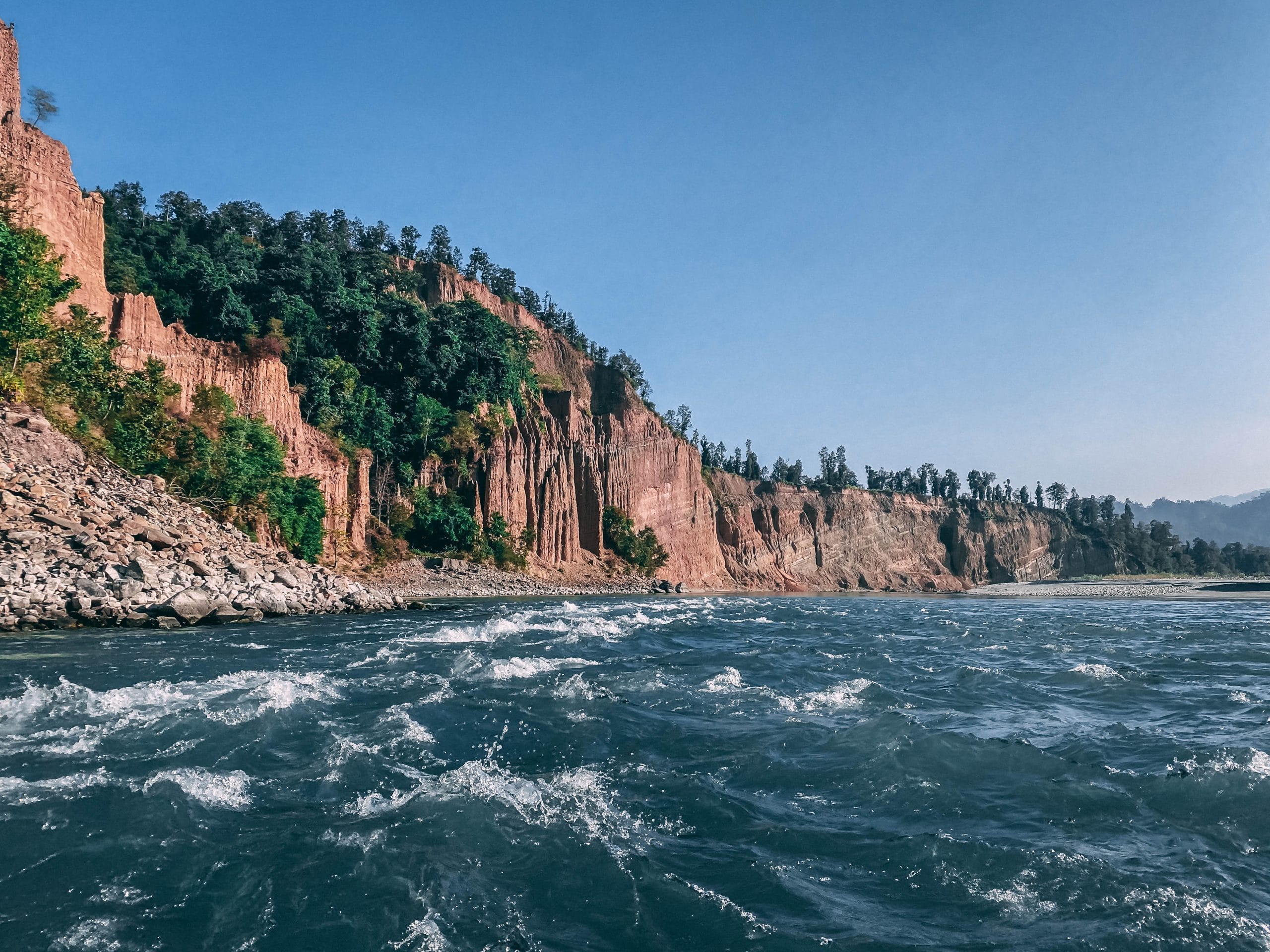
Karnali River Expedition — A 252 km Descent Through Nepal’s Wild West
From the remote hills of Rakam to the wide river plains of Chisapani, the Karnali Expedition spans 252 kilometers of pure wilderness. This journey follows Nepal’s longest free-flowing river through towering gorges, untouched forests, roaring rapids, and quiet jungle stretches. It is an adventure that reveals the raw beauty, culture, and wild spirit of western Nepal — one paddle stroke at a time.
Karnali River Expedition — A Journey Through Nepal’s Wild West
The Karnali is Nepal’s longest and one of its most powerful rivers, flowing from the slopes near Mount Kailash in Tibet and carving its way through the remote far-west before finally joining the plains. Rafting from Rakam Karnali to Chisapani is a true expedition, covering roughly 250 kilometers of water over many days. This stretch combines big-volume whitewater, deep gorges, and long, quiet sections where the river relaxes and widens. It’s not just a rafting trip — it’s a full river journey through one of the least-visited regions of the country.
From Hill Country to Jungle — The Changing Face of the Karnali
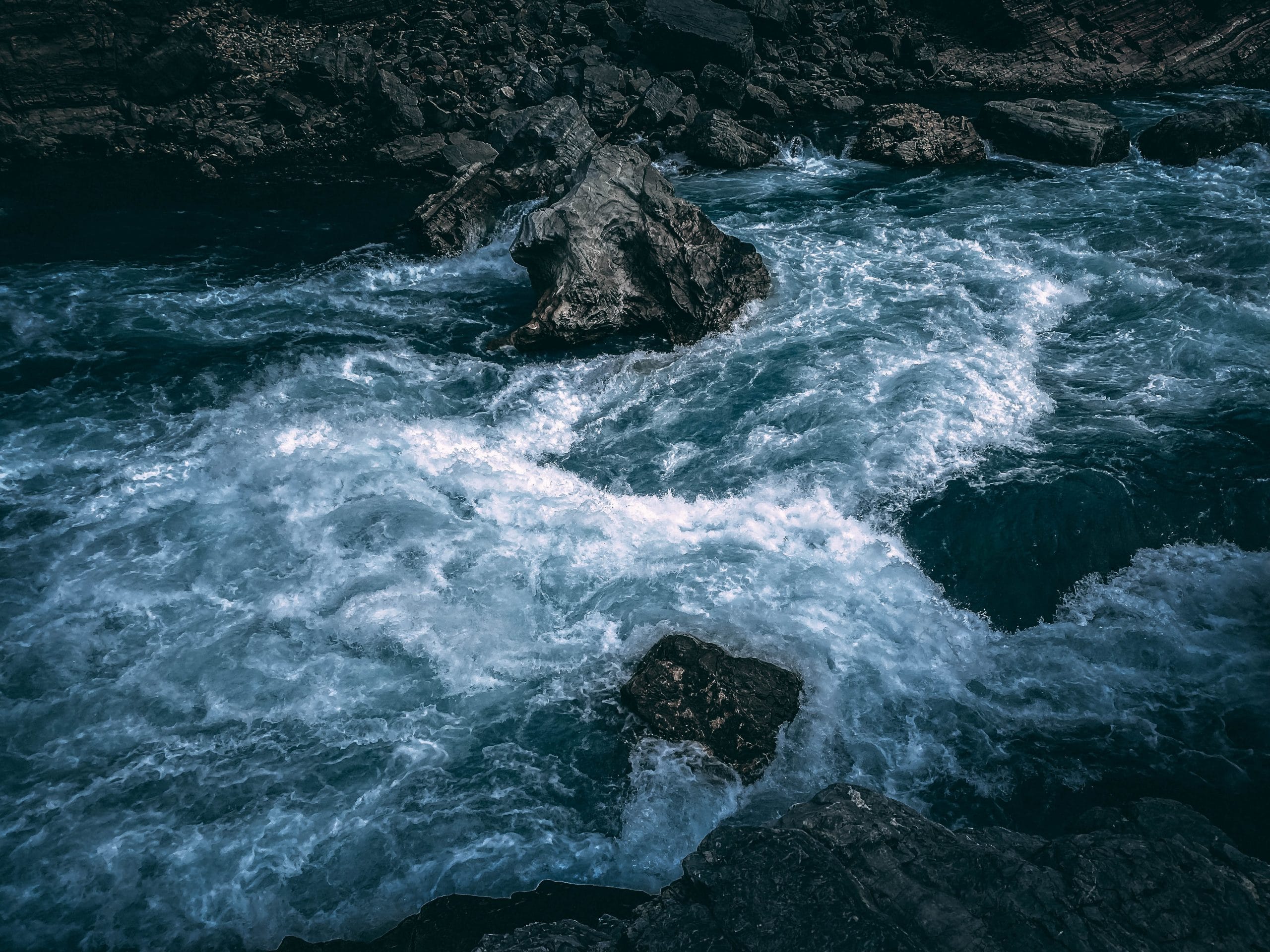
The expedition begins in the hill districts around Rakam, where the river is still contained by steep valley walls and terraced hillsides. As you move downstream, the Karnali cuts through remote canyons, forested ridges, and narrow gorges, gradually opening out into broad jungle landscapes near the lowlands. Along the way, the river passes through the “wild west” of Nepal — a region with few roads, scattered villages, and mostly untouched river corridors. By the time you reach Chisapani, the Karnali is a wide, confident river flowing past the edge of Bardia National Park on its journey toward the Ganges.
Whitewater Profile — Big Volume Rapids and Long Flowing Sections
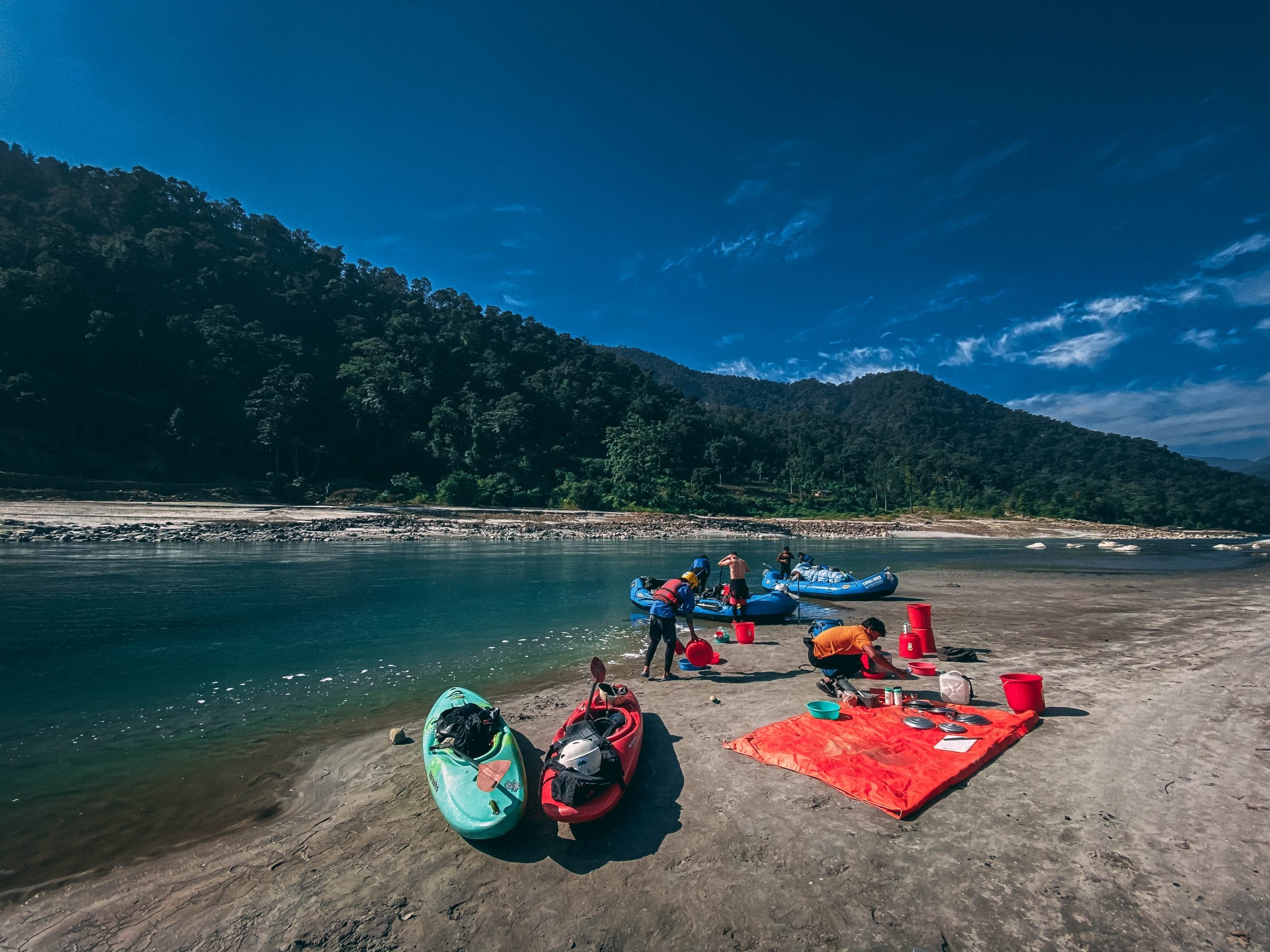
On this expedition, the first part of the river is where the big water lives. After putting in around Rakam, the Karnali quickly gathers force, with powerful Class III–IV+ rapids and continuous wave trains that demand teamwork, timing, and strong paddling. These early days are intense and technical, especially at medium to high flows, when the river becomes more constricted and dynamic. As you move further downstream, the gradient eases and the rapids become more spaced out, giving way to longer calm stretches where you can simply drift, watch the landscape, and feel the scale of the river system.
Adventure on the Karnali — A Journey Carried by the River
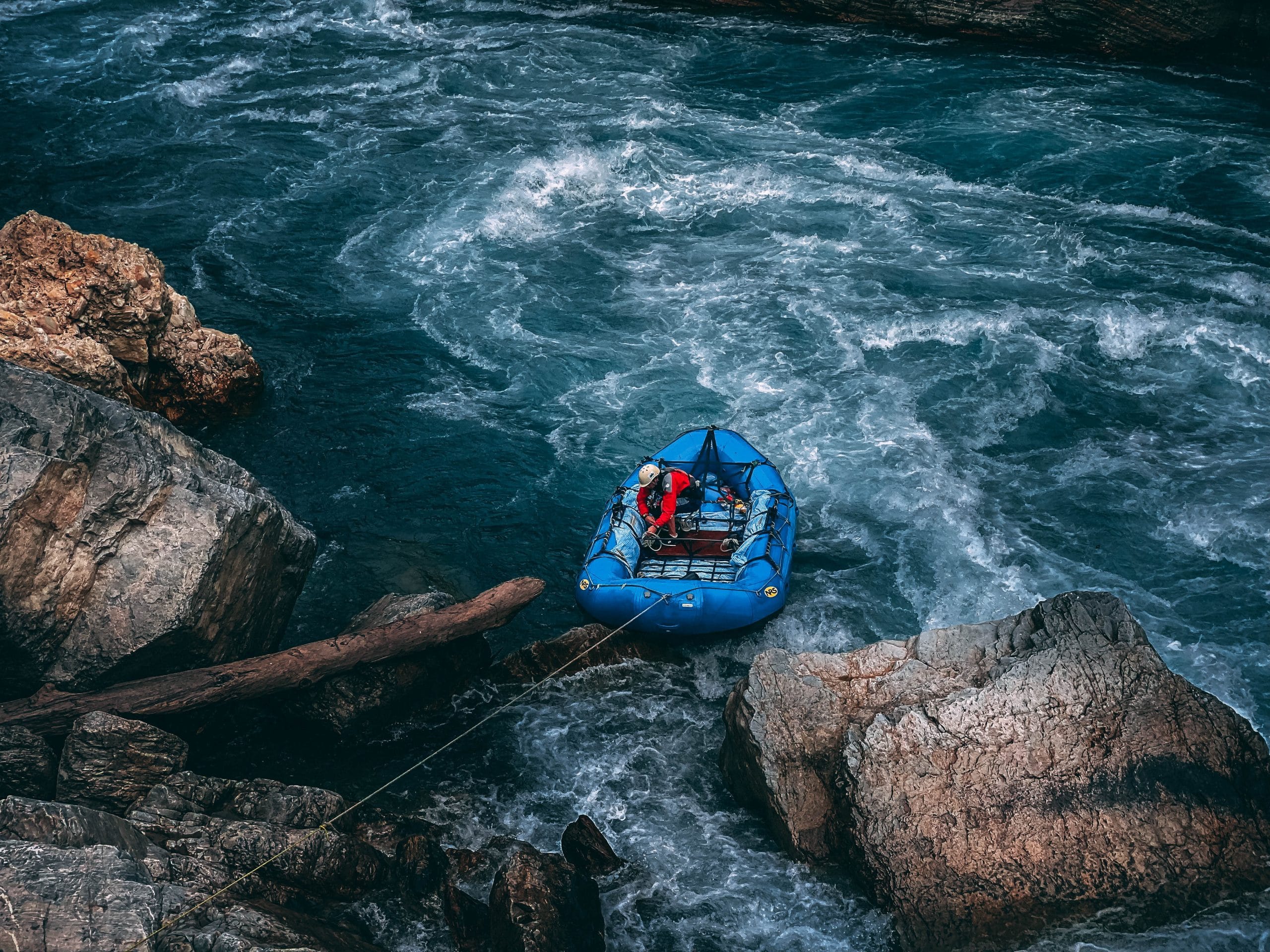
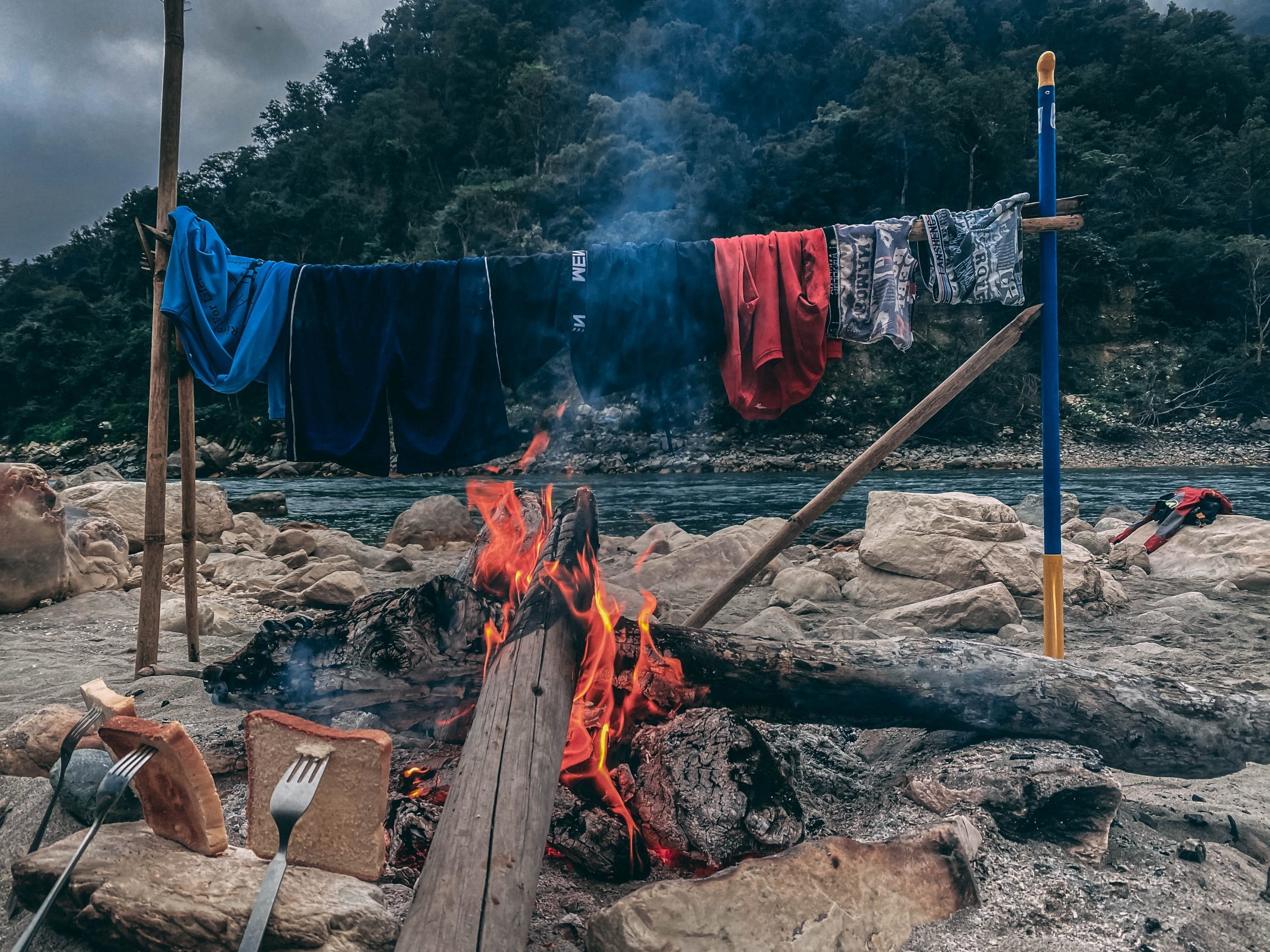
The Karnali expedition is an adventure that slowly pulls you into its rhythm, blending adrenaline with moments of complete stillness. Each day begins with soft light rising over riverbanks and ends on quiet sandbars where the sky fills with stars. Rapids come in powerful waves, demanding focus, timing, and trust in your team, while long gentle stretches let the raft glide through deep canyons and wide valleys. Life becomes simple and instinctive — pack the raft, read the water, paddle into the unknown. The farther you travel, the more the outside world fades, replaced by cliffs, wind, and the constant pulse of the river. By the time you reach Chisapani, the journey feels less like a route completed and more like a transformation shaped by water and wilderness.
Traditions of the Far-West — Simplicity, Strength, and Community
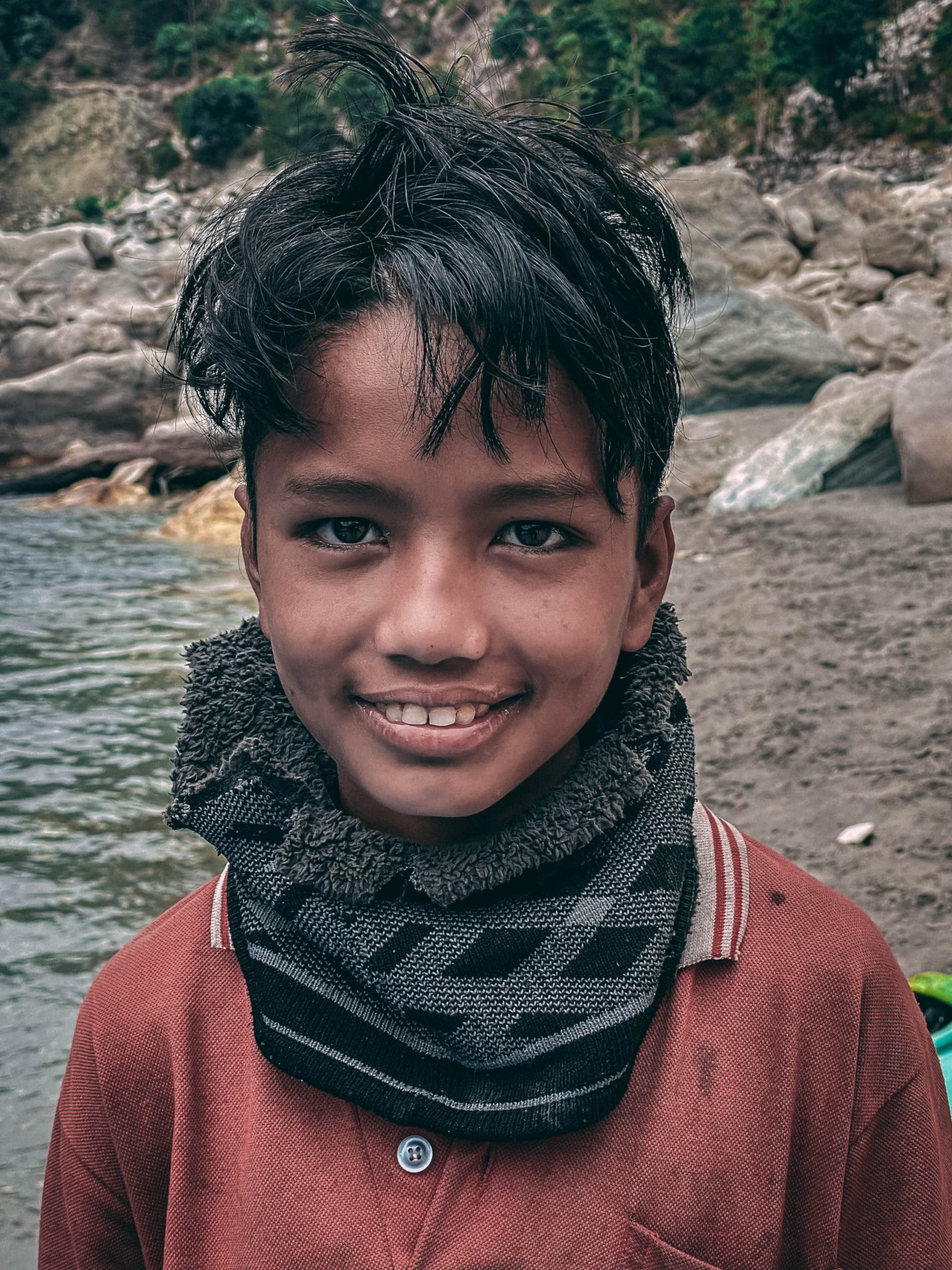
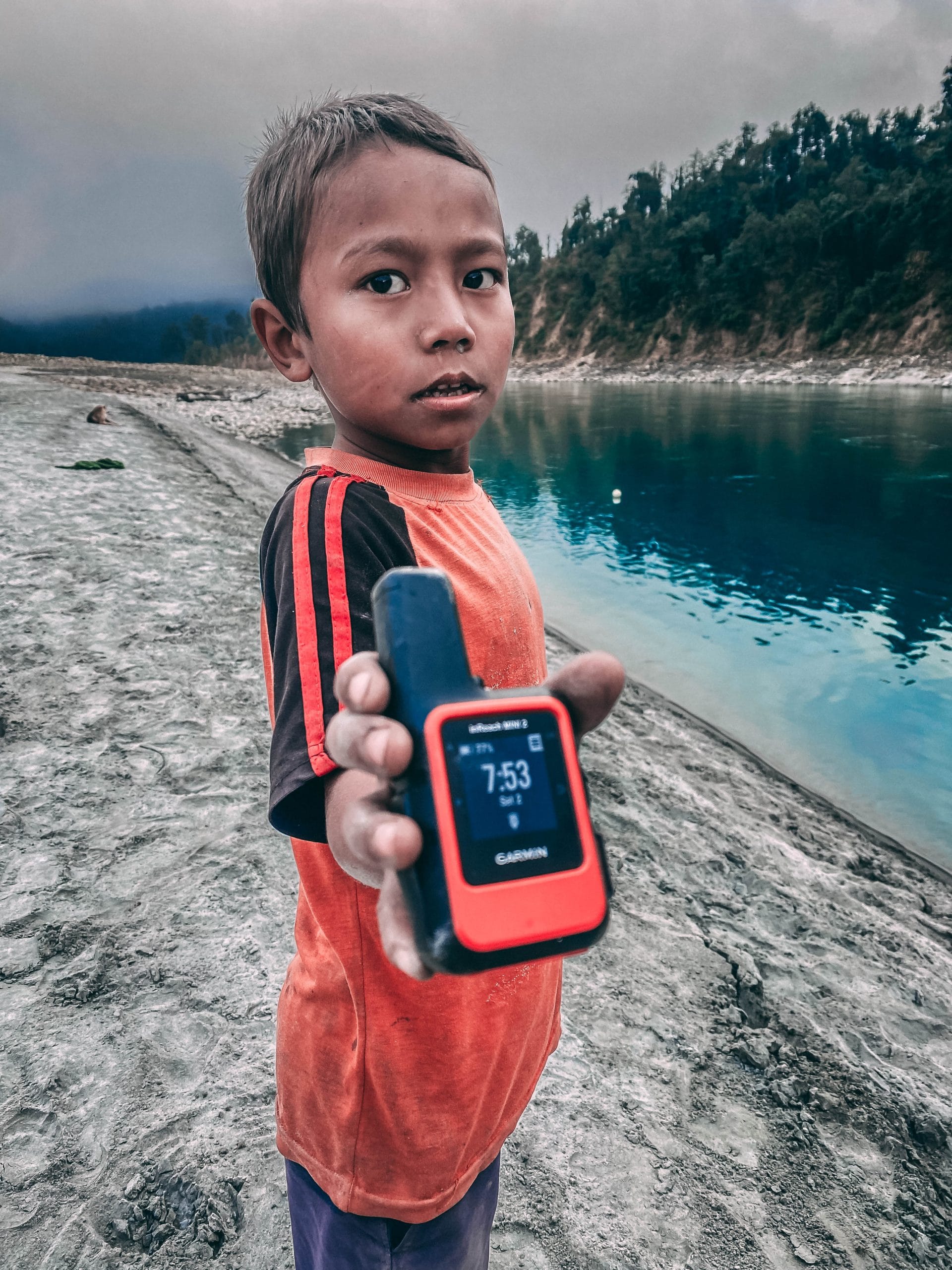
The far-western region of Nepal is known for its simplicity and resilience. People here live close to the land, practicing traditional farming, weaving, and carpentry passed down through families. Festivals often bring entire communities together with music, local instruments, and rituals that honor nature and ancestors. Hospitality is a core value — even in the most remote settlements, strangers are greeted with warmth, shared meals, and stories of life in the hills. Rafting through this region offers a rare glimpse into traditions that continue to thrive far from the influence of busy cities.
Why This Expedition Matters — Challenge, Connection, and Conservation
Rafting the full stretch from Rakam to Chisapani is demanding — physically, mentally, and logistically. It requires commitment: many days on the river, changing weather, big whitewater, and complete immersion in a landscape far from roads and cities. But that commitment is also what makes the journey powerful. You move with the river from hills to plains, feel the scale of the watershed, and experience how remote communities and wild ecosystems are tied together by this single flow of water. As development and climate change gradually reach even the far west, the Karnali expedition becomes more than an adventure — it’s a chance to witness and respect one of Nepal’s last great free-flowing rivers and to remember why protecting such corridors really matters.